I remember landing after a 12-hour flight to Tokyo, my back screaming from a middle seat squeezed between two snorers. Legs numb, neck kinked. I vowed to fix that.
No more guessing. I've flown enough to know bad seats ruin trips before they start.
You can pick seats that let you rest, stretch, and arrive ready.
How To Choose The Best Seat For Long Flights
This guide walks you through my exact process for seats that feel open and calm on long flights. You'll end up with space to move, quiet spots, and no surprises. It's simple, and it works every time.
What You’ll Need
- Memory foam travel neck pillow, gray, compact inflatable design
- Noise-canceling headphones, over-ear, lightweight black
- Inflatable footrest for economy seats, blue nylon
- Contoured eye mask, silk-lined black
- Compression socks, knee-high, medium size
- Lightweight travel blanket, fleece gray 50×60 inches
- Reusable water bottle, insulated 20oz slim
- Earplugs, foam high NRR 33dB
Step 1: Book Your Flight Early and Check Seat Maps Right Away

I always pick seats 3-4 months out for long flights. Airlines release maps then, and good spots fill fast. Early booking gives you first pick of window or aisle with extra legroom.
This changes everything—suddenly you're not fighting for scraps at check-in. One insight: Maps show blocked seats for crew or upgrades, so aim nearby for similar quiet.
People miss how maps update; refresh weekly. Avoid rushing at the gate—lines form, choices shrink.
Step 2: Pick Your Aircraft Type and Study the Layout
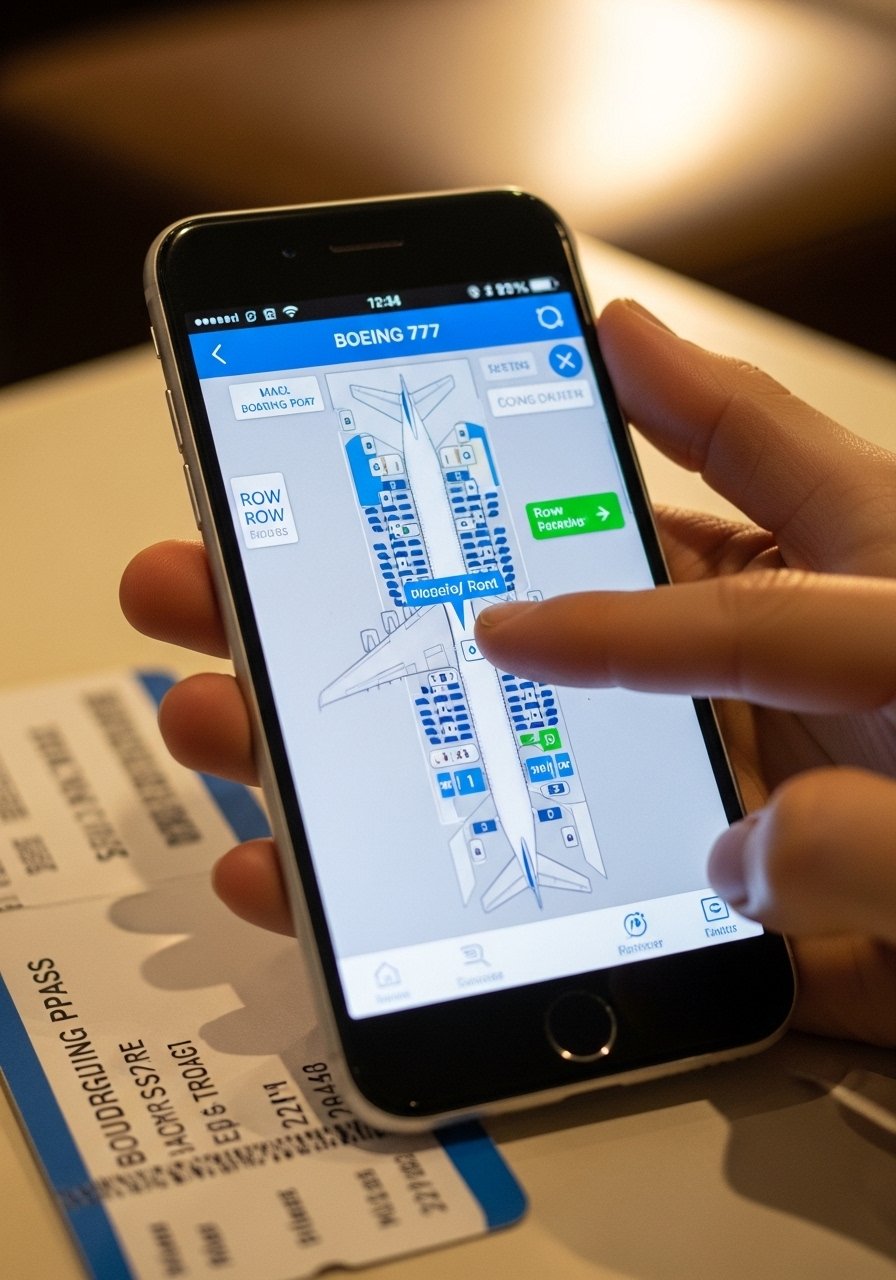
Long flights use wide-bodies like 777 or A350. I cross-check my flight's plane on sites like SeatGuru. Each has sweet spots—avoid tails for turbulence.
Now you see real layouts: bulkheads up front, but no floor storage. Insight: Exit rows give legroom if you're able-bodied; confirm rules.
Missed by most: galley areas buzz late. Skip seats 40+ rows back.
Step 3: Decide Window, Aisle, or Something Better
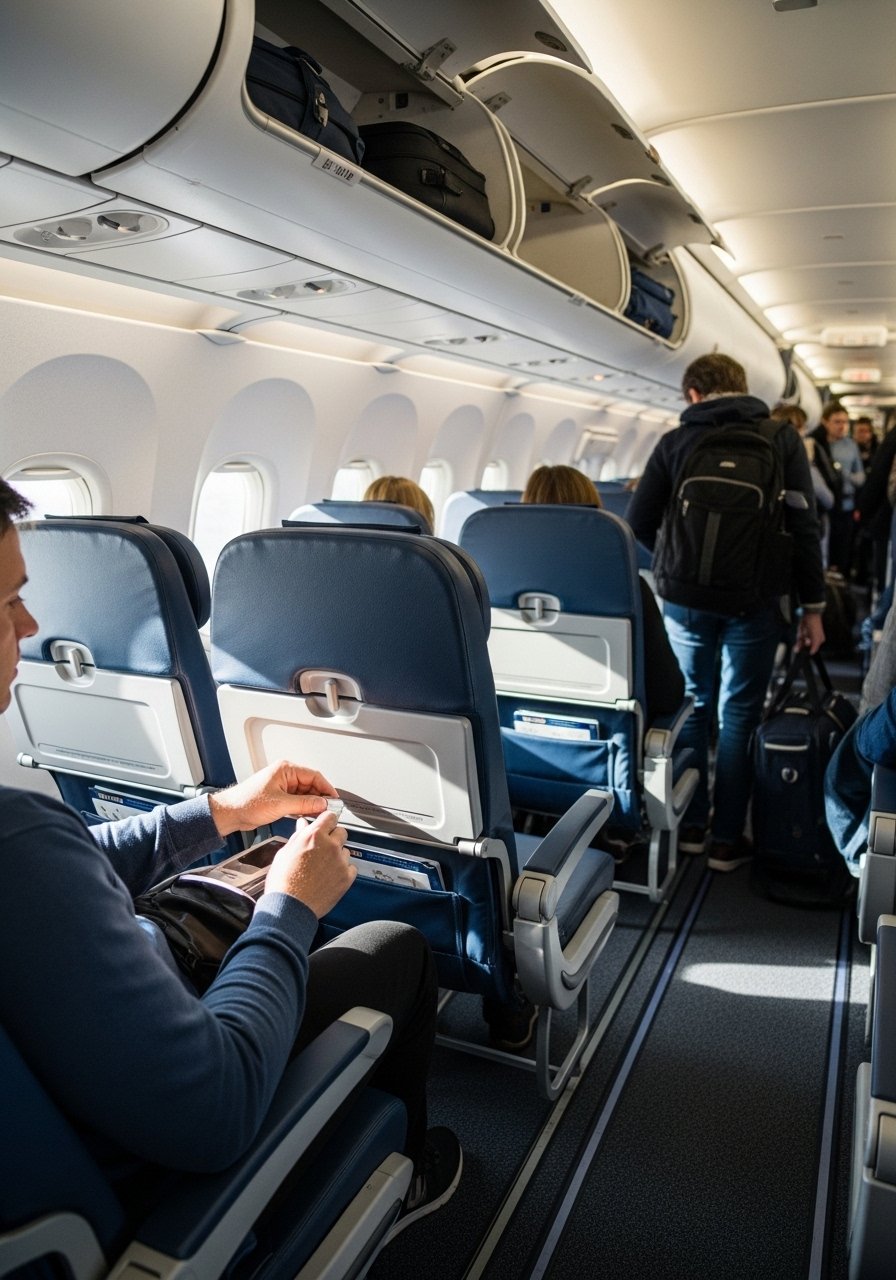
I lean window for leaning against, sleeping without bumps. Aisle for walks every 2 hours—key on 10+ hours. Skip middles unless couples.
Feel shifts: more control over armrests, easier stretches. Insight: Windows darken first, great for naps.
Common mistake: Picking aisle near lavatories—traffic never stops. Test solo first.
Step 4: Target Legroom Seats Without the Hassles
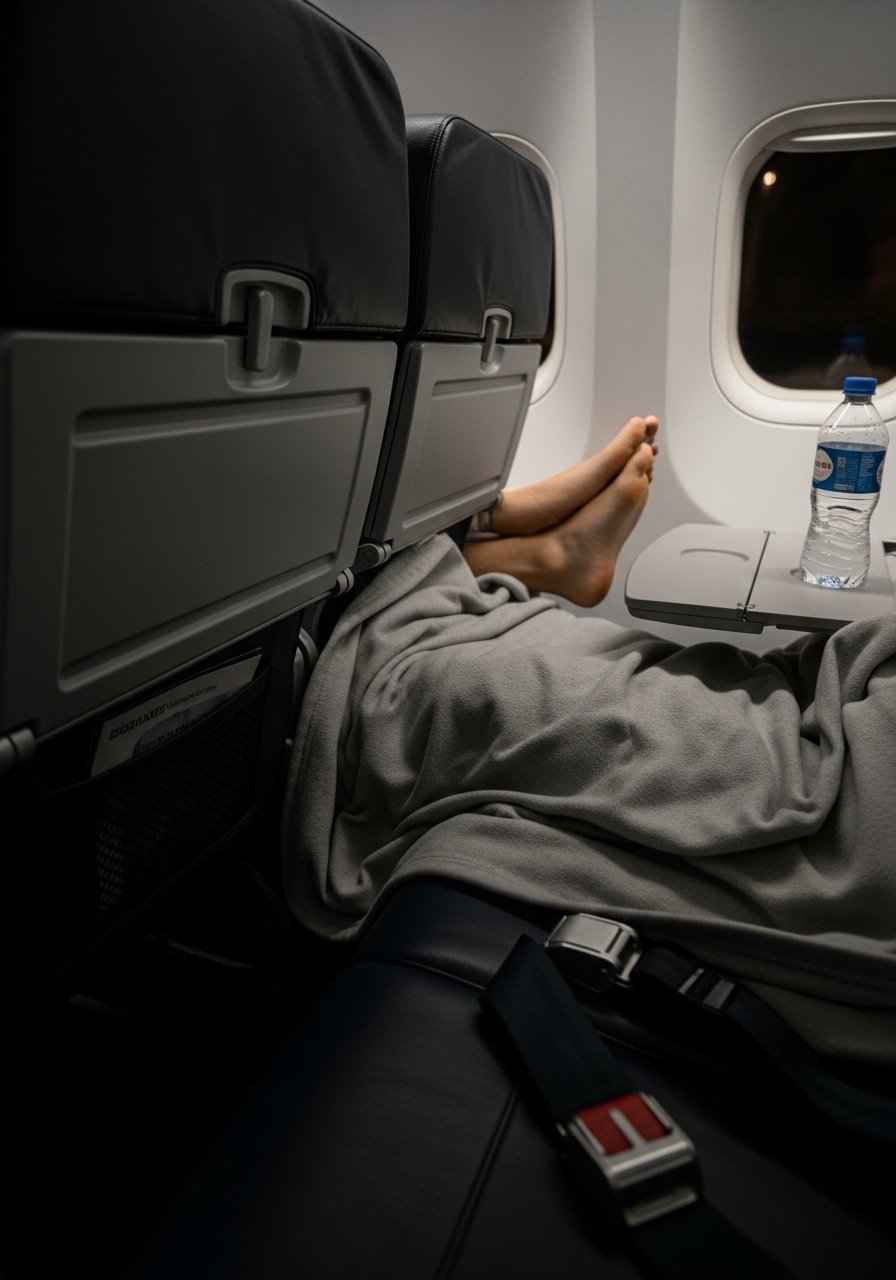
Exit rows or bulkheads offer 6-10 extra inches. I filter for them on booking sites. Why? Stiffness fades, circulation improves.
Stage changes—you move freely mid-flight. Insight: Bulkheads recline fully, but tray tables in armrests narrow seats.
Avoid if short; can't tuck feet. And families get bulkheads sometimes—check notes.
Step 5: Confirm and Adjust at Check-In or Gate
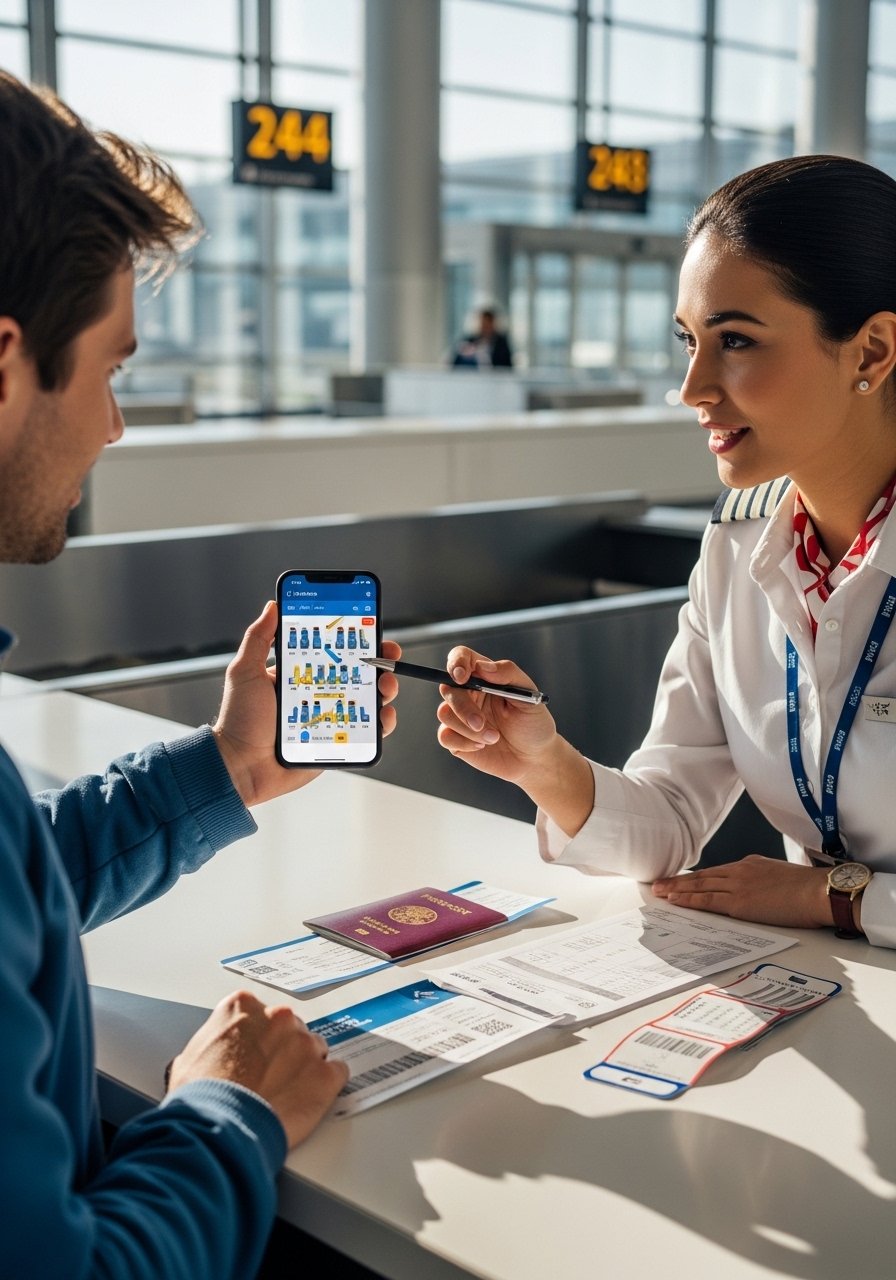
24 hours before, I log in to confirm. Swap if better opens. At gate, polite ask works if empty rows.
This locks it in—no boarding surprises. Insight: Premium economy sometimes swaps to economy; verify class.
Don't assume—print map. Gate agents prioritize loyalty, but calm requests help anyone.
Step 6: Settle In with Your Kit for Max Comfort
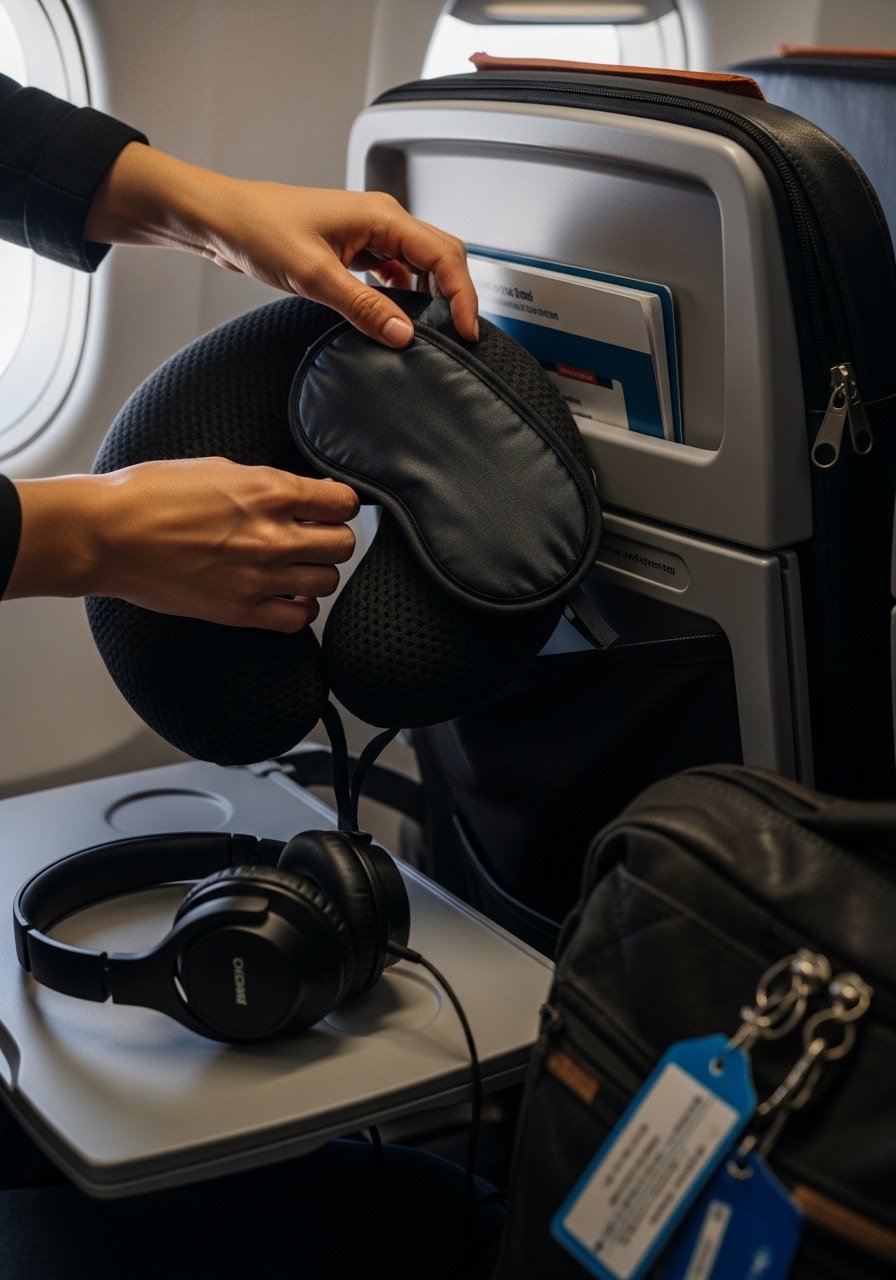
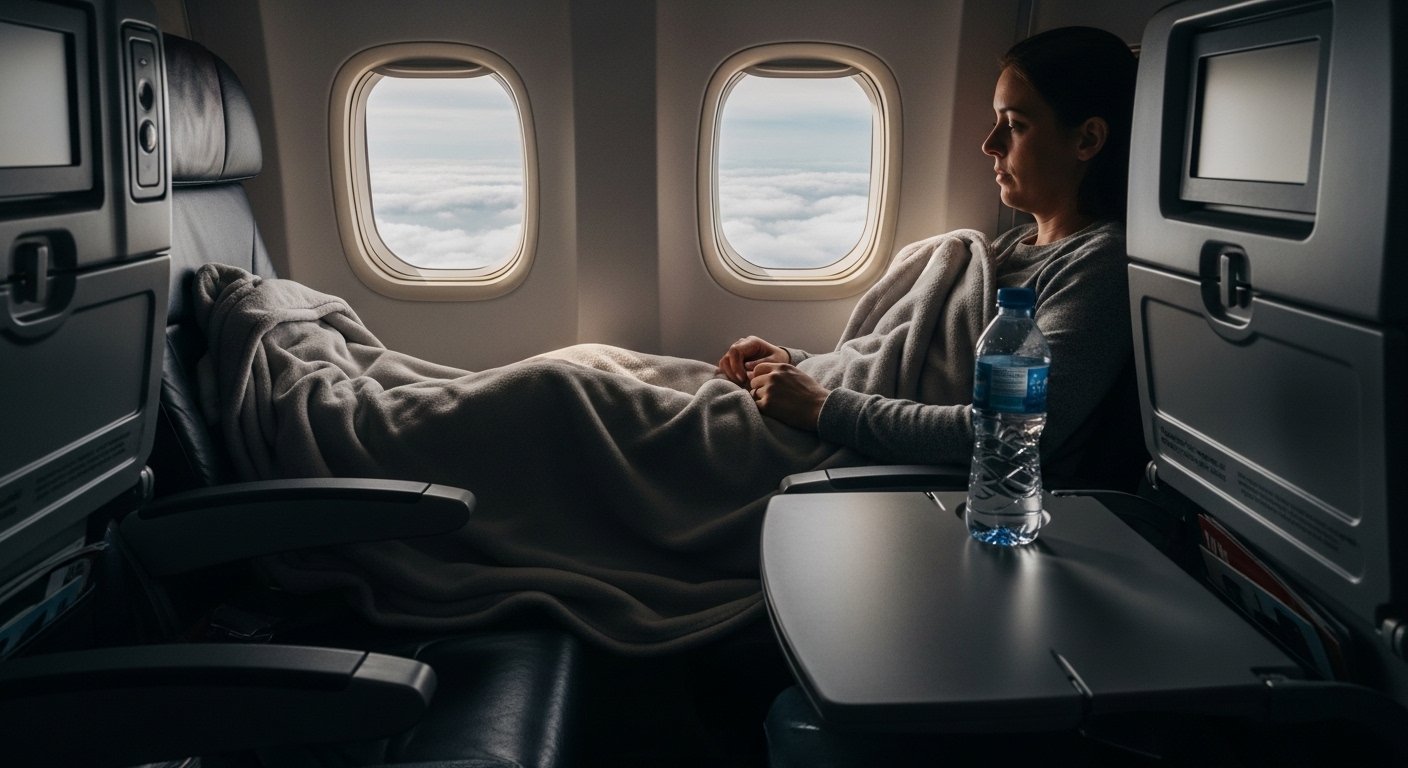
Once seated, deploy pillow, socks, blanket fast. Footrest under seat ahead. Why? Sets calm tone, blocks light/sound early.
Flight feels shorter—real rest happens. Insight: Hydrate first; bottle ready prevents dehydration fog.
Mistake: Overhead everything. Keep kit accessible.
Seats to Avoid on Long Flights
I've learned the hard way some seats kill comfort.
Tails shake more in bumps. Rows by galleys hum with carts all night.
- Seats 35+ back: engines louder, sway noticeable.
- Lavatory-adjacent: doors slam hourly.
- Over wings: no views, feels closed.
Pick mid-cabin. Quiet settles in.
Best Seats by Airline and Plane
Airlines vary. United's 787s shine in row 20 windows.
Delta A330 bulkheads breathe easy.
Check specifics:
- Emirates A380: upper deck quiet.
- American 777: 21A/D for legroom.
- Budget carriers: pay extra upfront.
My flights improved matching these.
Handling Seat Changes or Upgrades
Plans shift. Gate swaps happen.
Stay flexible. Ask for pairs if traveling.
If upgraded, grab window.
- Politely chat crew mid-flight.
- Apps notify changes fast.
Most times, your pick holds.
Final Thoughts
Start with one long flight using this. Feel the difference in your back, your mood on landing.
You've got the tools now. No more numb legs or endless waits.
Next trip arrives calm. Worth the few minutes upfront.
Leave a Reply