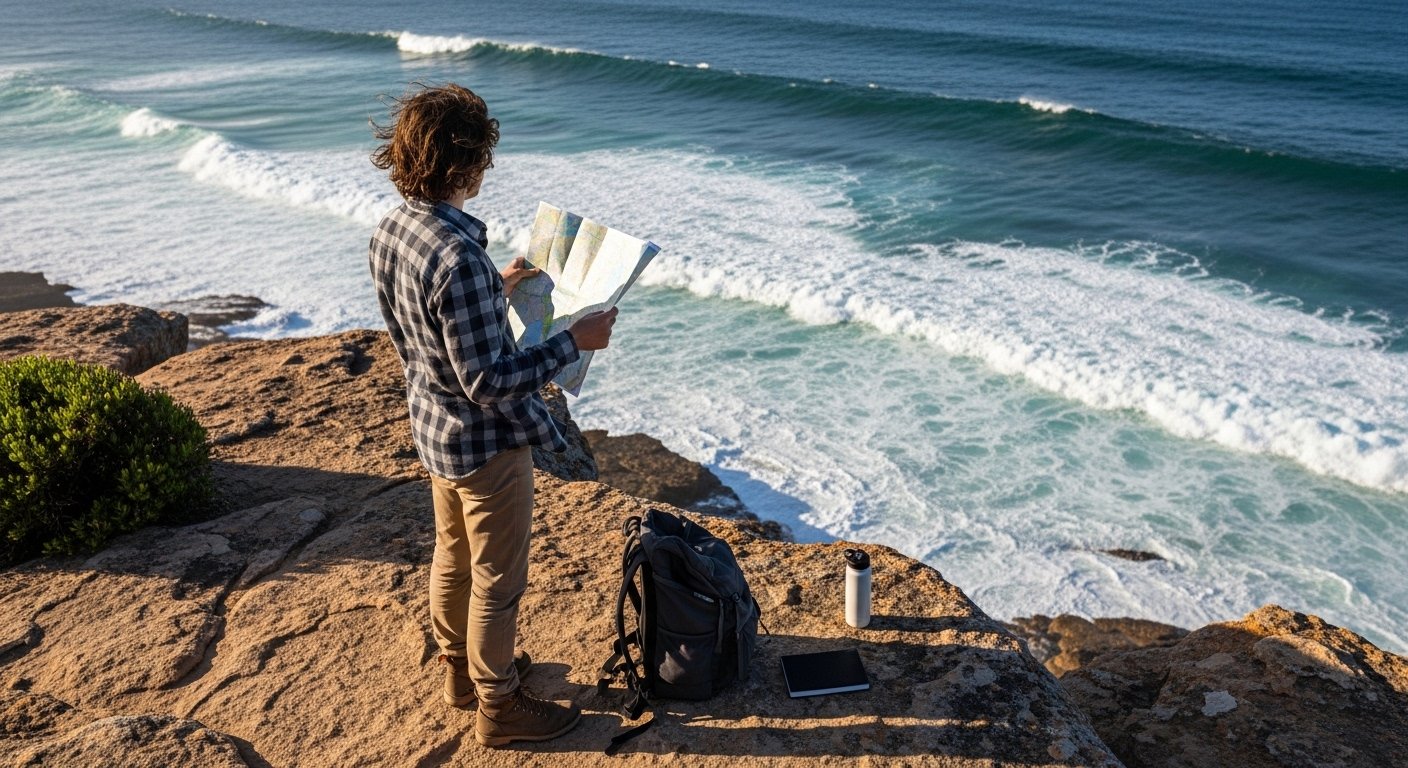
I remember staring at a screen full of Australian adventure options—Uluru hikes, Great Barrier Reef dives, Blue Mountains canyons. Overwhelmed, I picked wrong once: too remote, bad weather, endless drives. Felt more grind than thrill.
You end up exhausted, not exhilarated.
This guide fixes that. Shows my simple way to choose spots that fit your real limits and deliver balanced fun.
How To Pick Adventure Travel Destinations In Australia?
This method helps you sift through Australia's wild options to land on ones that match your pace and skills. You'll pick places worth the flight, with real adventure minus the chaos. It's how I go from confused to confident every time.
What You’ll Need
- Lonely Planet Australia Travel Guide (11th Edition, Paperback)
- Garmin Instinct Solar GPS Watch (Black)
- Osprey Daylite Plus Daypack (20L, Black)
- Hydro Flask Wide Mouth Water Bottle (32 oz, Stainless Steel)
- Merrell Moab 2 Vent Hiking Shoes (Men's Size 10, Walnut)
- Rite in the Rain All-Weather Notebook (3.5" x 5.5", Pocket Size)
- Anker PowerCore 10000 Portable Charger (Black)
Step 1: Gauge Your Fitness and Comfort
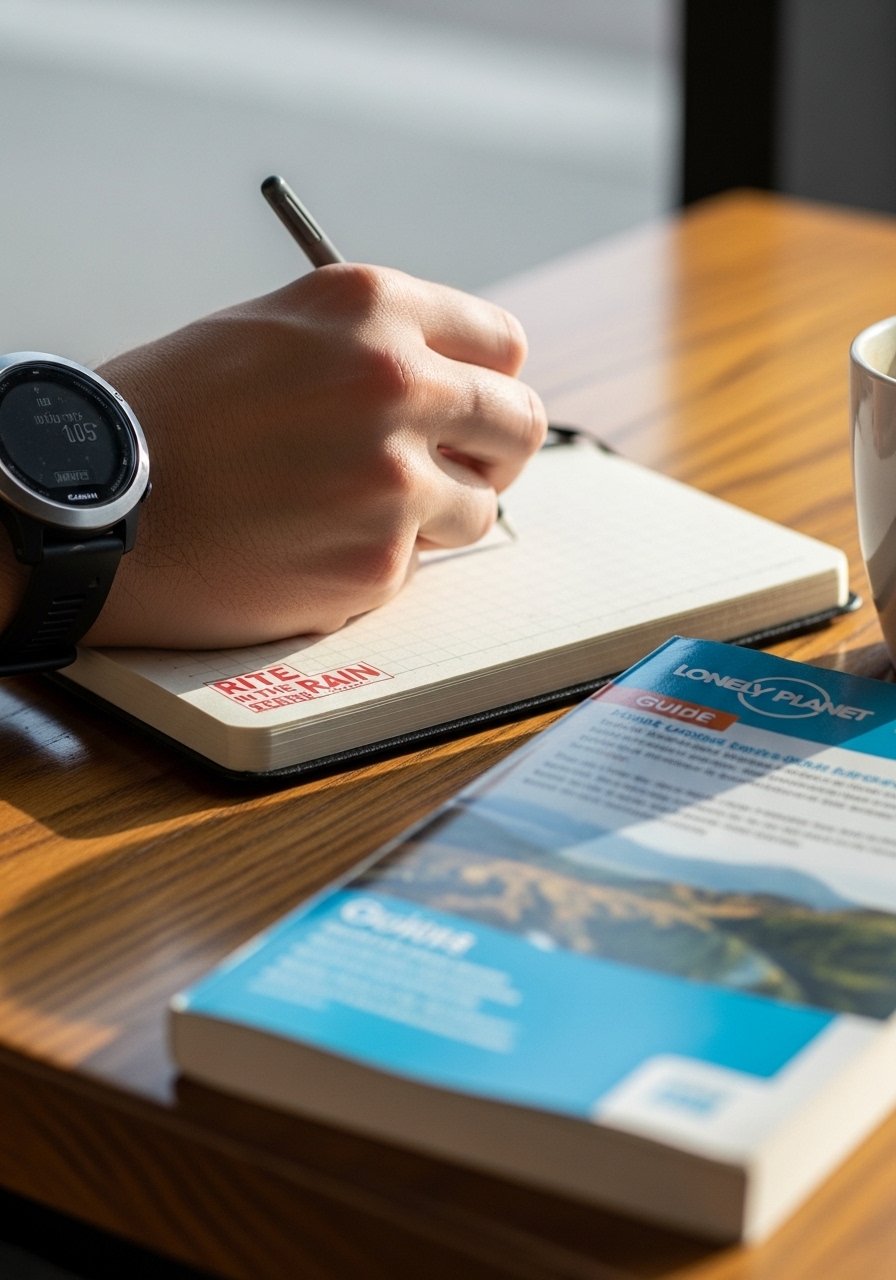
I start by being honest about my body. After a knee tweak on a past hike, I learned to rate my energy: easy walks or full-day treks? Use the Garmin watch to track your daily steps for a week. Why? It reveals if you're ready for multi-day Outback slogs or prefer coastal paddles.
This shifts everything. Choices narrow fast—no more eyeing impossible peaks.
People miss how fitness fades with jet lag. Test with short local hikes first.
Avoid overreaching; I once limped through Daintree after ignoring that.
Step 2: Pinpoint Adventure Types by Region

Australia's huge—east coast for reefs, Tasmania for rugged trails. I flip through the Lonely Planet and mark what pulls me: canyoning in Blue Mountains or surfing Margaret River? Match your gauge from step one.
Now options feel personal, not scattered.
Insight: Regions cluster similar vibes—group them to save travel time.
Don't chase "top 10" lists; I wasted days bouncing coasts.
Step 3: Check Seasons and Real Weather
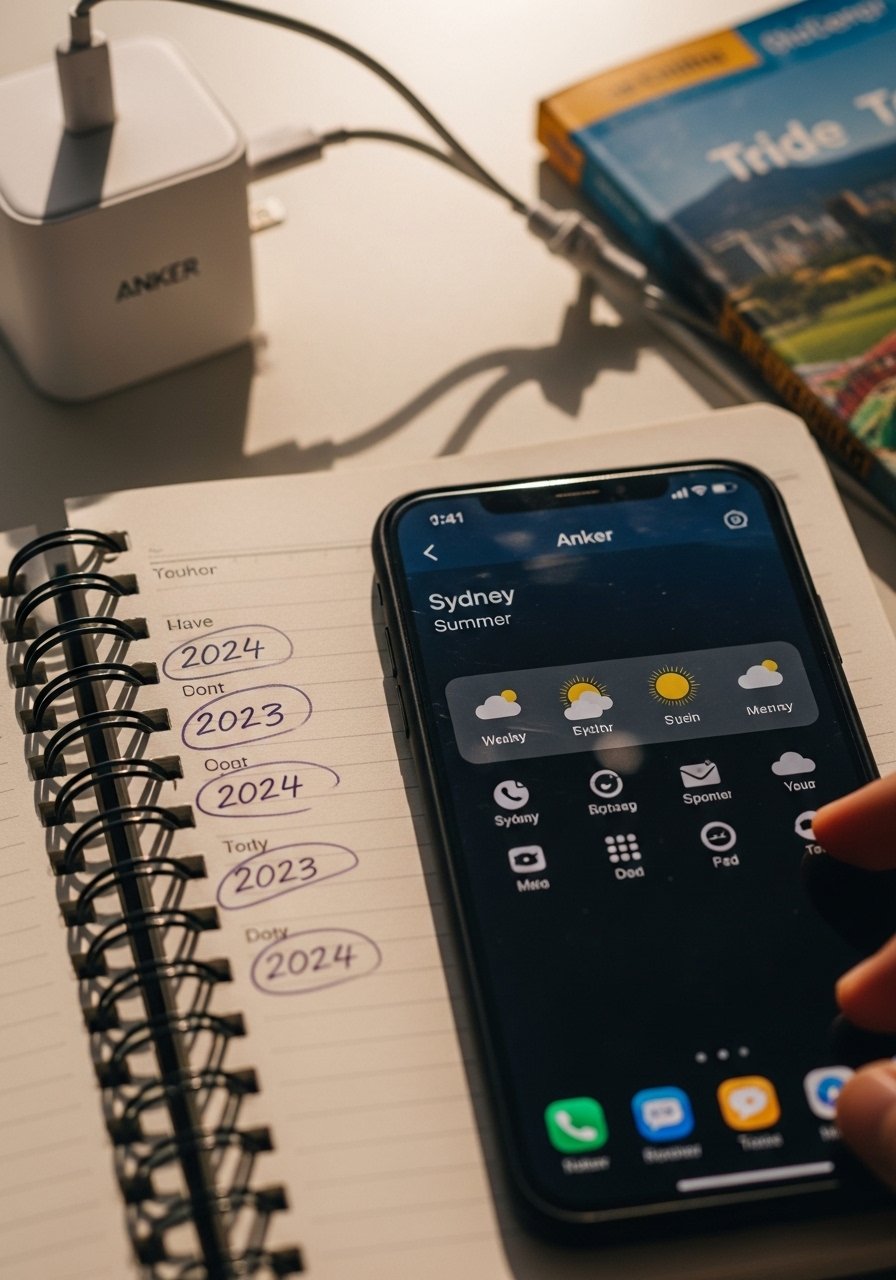
Dry season for Kimberley hikes, wet for reef clarity. I cross-check apps against the guide—monsoons wrecked my Cairns plan once. Note your travel months early.
This makes spots practical, not dreamy.
Missed bit: Micro-climates vary; Blue Mountains chill even in summer.
Skip vague "best time" advice—pick your window first.
Step 4: Weigh Access, Cost, and Logistics

Flights to Broome eat budgets; Sydney's easier. I tally drives, ferries using Google Maps—factor Osprey pack weight for buses. Budget $200-400/day for adventures.
Choices solidify; no shocks later.
People overlook park fees stacking up.
Avoid remote spots without 4WD; stranded me near Uluru.
Step 5: Scan Recent Traveler Notes
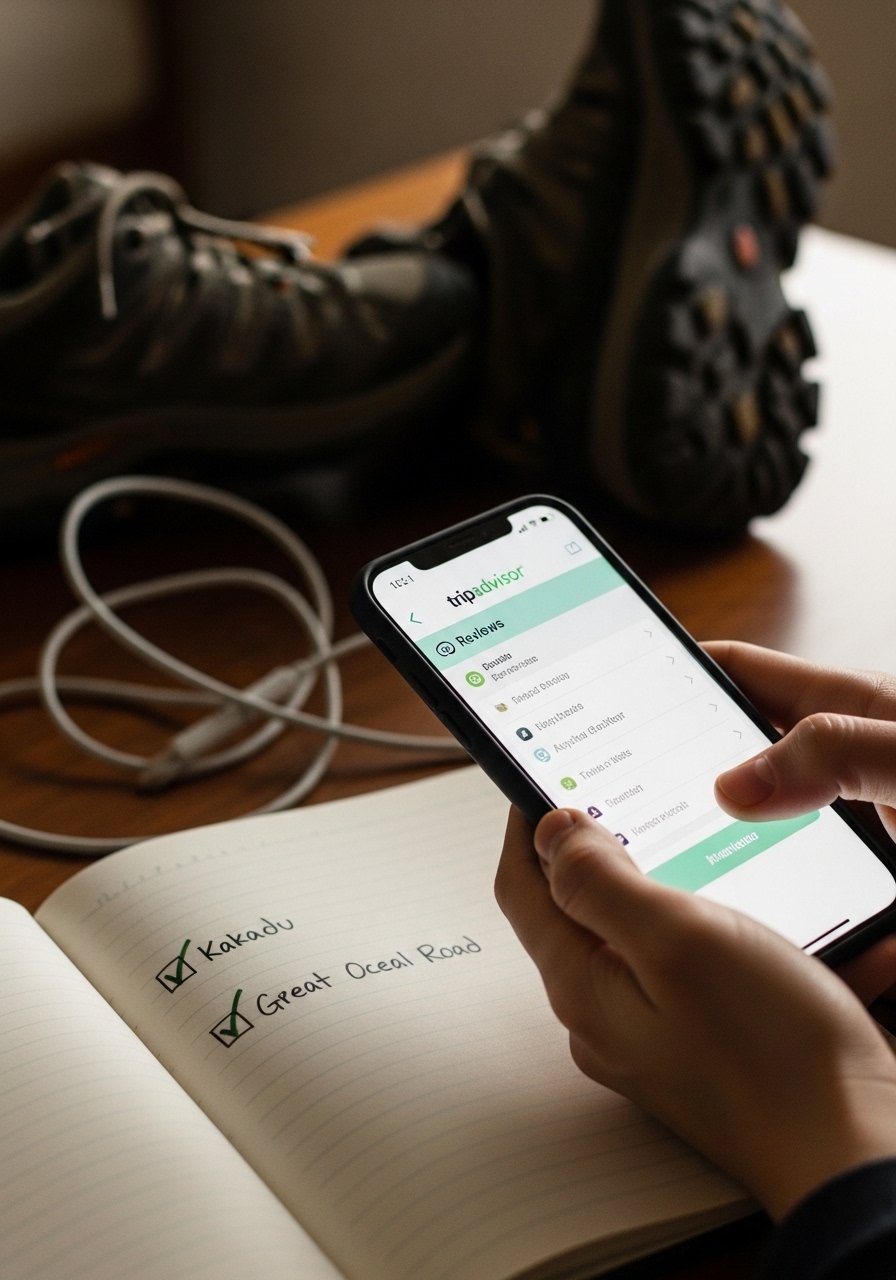
Forums and blogs beat ads. I read last year's Kakadu flood reports—saved a washout. Note trail conditions, crowd levels.
Final shortlist emerges, real and ready.
Insight: Conditions shift yearly; official sites lag.
Don't trust pretty photos alone—verify with dates.
Step 6: Test and Commit
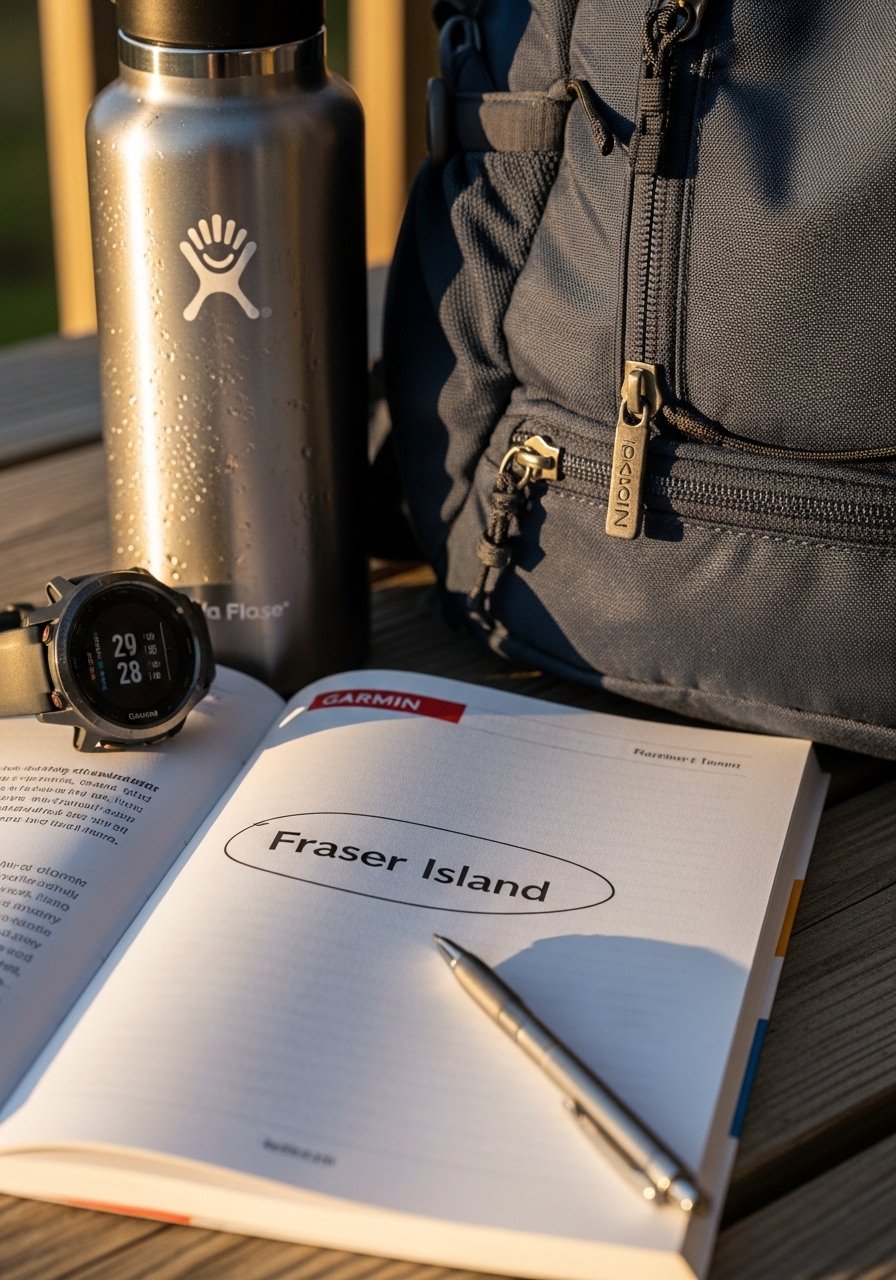
Simulate: Walk your Merrells locally with pack. Book one spot first—Fraser Island worked after this.
You're set, calm about the pick.
Miss: Rushing without trial—led to my overpacked regret.
Lock it in; adjustments come easy.
Top Adventure Travel Destinations in Australia
East coast draws me back—Fraser Island's lakes and sand drives balance thrill with swims. Less crowded than reef hubs.
Tasmania's trails feel wild yet accessible. Cradle Mountain circuits reward without extremes.
- Fraser Island: 4WD tracks, freshwater pools. Dry season June-Oct.
- Blue Mountains: Abseiling, short hikes. Spring for wildflowers.
- Kakadu: Waterfalls, croc cruises. Dry May-Sept.
Best Times to Chase Adventures Down Under
Timing beats gear. I aim shoulder seasons—fewer crowds, milder heat.
Queensland reefs shine June-Nov; avoid stingers summer.
Southwest waves peak March-May.
- East: Reef dives, May-Oct.
- Outback: Uluru hikes, May-Sept.
- Tasmania: Trails, Dec-March.
Budgeting Smart for Aussie Adventures
Expect $150/night hostels, $50 meals. Adventures add $100-200/day.
I cap flights early—Sydney hub saves.
- Flights: $800-1500 RT.
- Parks: $20-50/entry.
- Gear rental: $30/day if needed.
Tally weekly; mine hit $2500 for 10 days, worth it.
Final Thoughts
Start with one region that fits your fitness. My picks always improved after honest gauging.
You'll land adventures that energize, not drain.
It's simple: match real you to real places. Trips flow better that way.
Leave a Reply