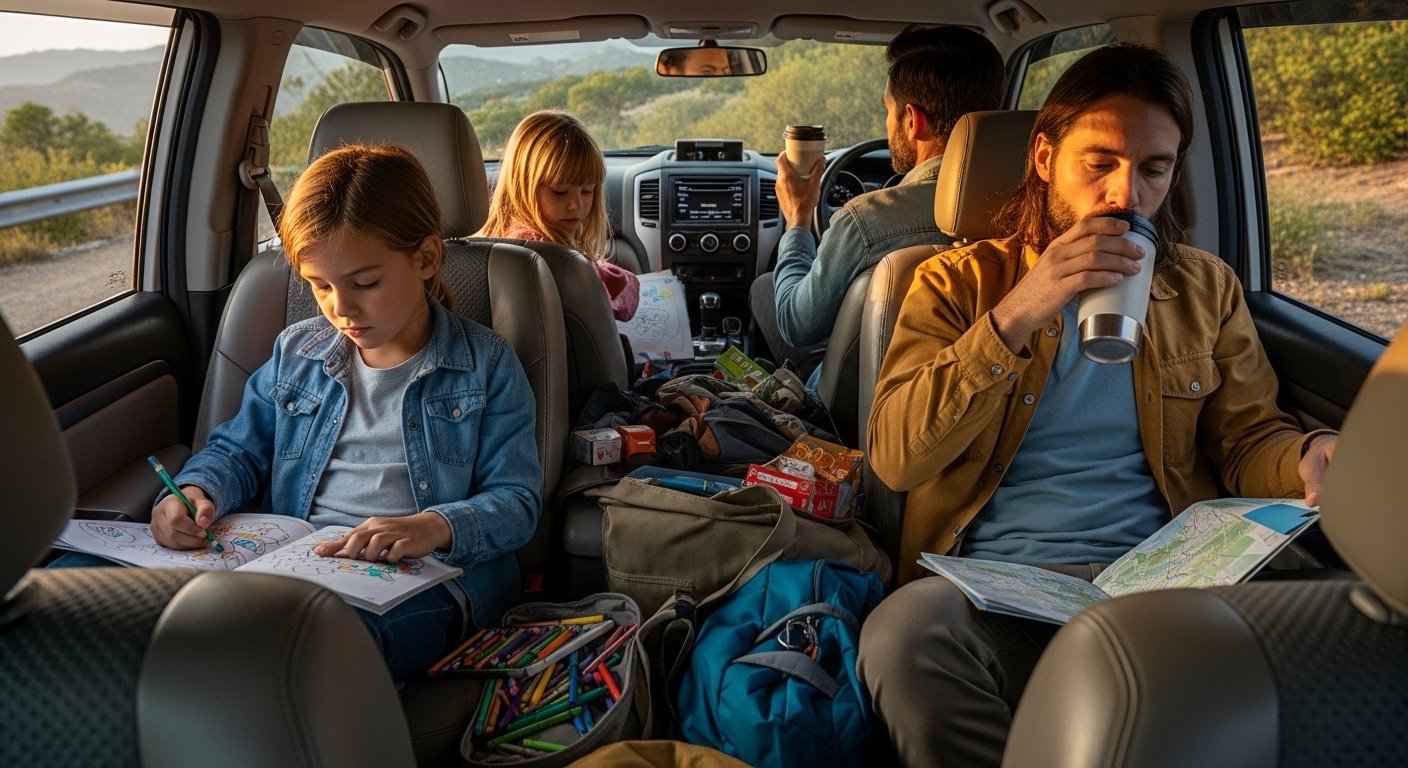
Last summer, I stared at a blank map trying to plan a road trip with my two kids. The excitement faded fast. Routes blurred together. Budgets didn't add up. I worried about meltdowns in the car.
I'd done this before. One trip turned into constant stops for forgotten diapers. Another had us lost for hours. Families deserve better.
This time, I broke it down simply. No more guesswork. Just a clear path to days that flow.
How To Plan A Family Road Trip Step-By-Step
This method takes you from scattered ideas to a trip that feels balanced and comfortable. You'll end up with a route that fits your family's pace, stops everyone looks forward to, and zero last-minute scrambles. It's how I make road trips worth it every time.
What You’ll Need
- Large insulated cooler bag, 24-can capacity, leakproof lining
- Car seatback organizers, double pocket, mesh for tablets and toys
- Spiral-bound road atlas, latest edition, waterproof pages
- Reusable snack containers, bento-style, BPA-free for kids
- Portable phone charger, 20000mAh, dual USB for long drives
- Kids' activity books, wipe-clean, with crayons in case
- Collapsible water bottles, 20oz stainless steel, leakproof lids
- Magnetic car window shades, custom fit for minivans, UV block
Step 1: Pick Your Destination and Route

I start by choosing one main spot, like a lake cabin three hours away. Not too far for little legs. I pull out the road atlas and trace options. Why? It keeps us from endless highways.
This changes everything early. We see real drive times, not guesses. One insight: apps glitch without signal, so paper wins.
People miss fun detours, like a farm stand. Avoid picking spots based on ads—they're often crowded.
Step 2: Build a Loose Timeline and Budget
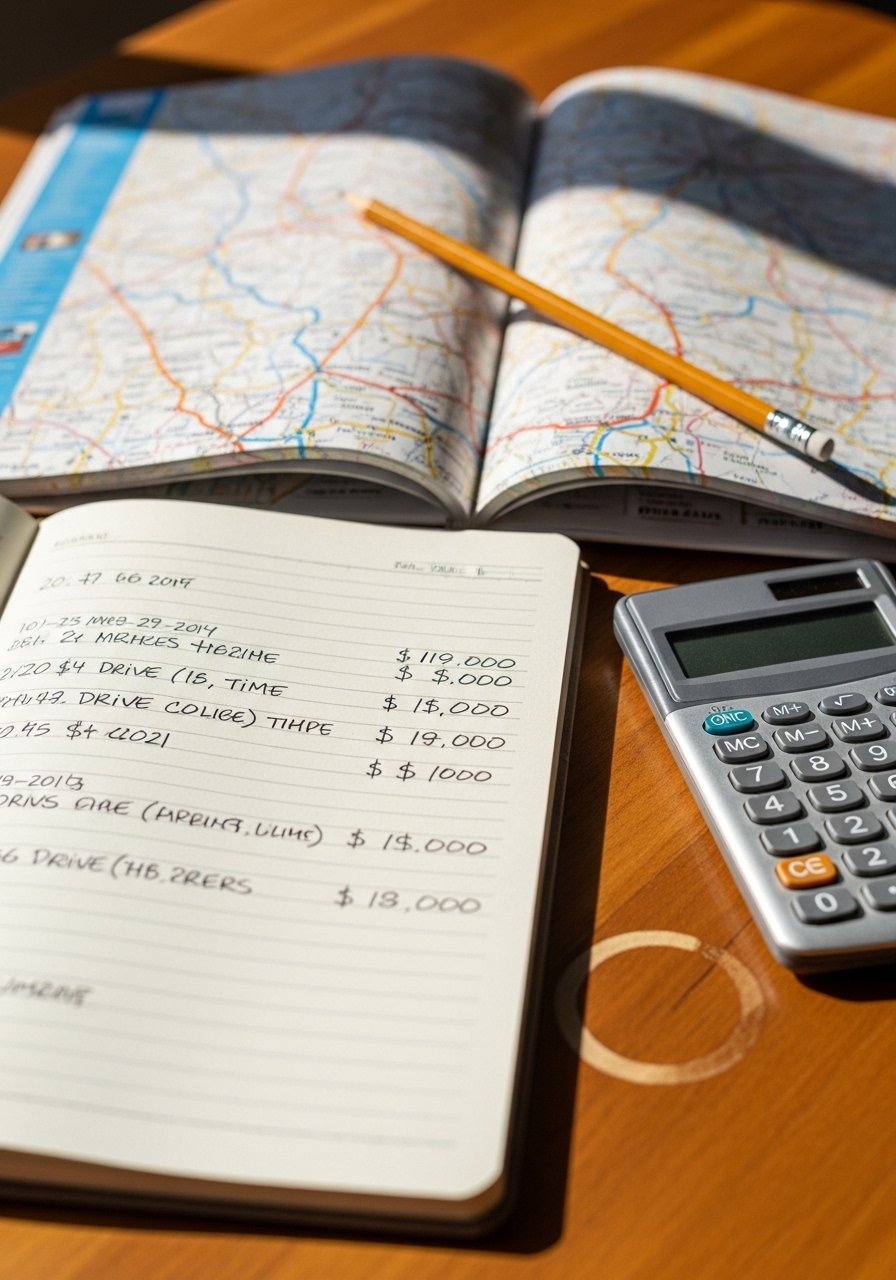
Next, I sketch days on paper. Day 1: drive and picnic. Budget hits $200 for gas, food, one entry fee. It grounds the dream.
Now the trip feels real, not vague. Insight: add 20% buffer for ice cream stops—kids need them.
Most forget daily spends add up. Don't skimp on snacks; cheap ones melt.
Step 3: Plan Stops and Kid-Friendly Pauses
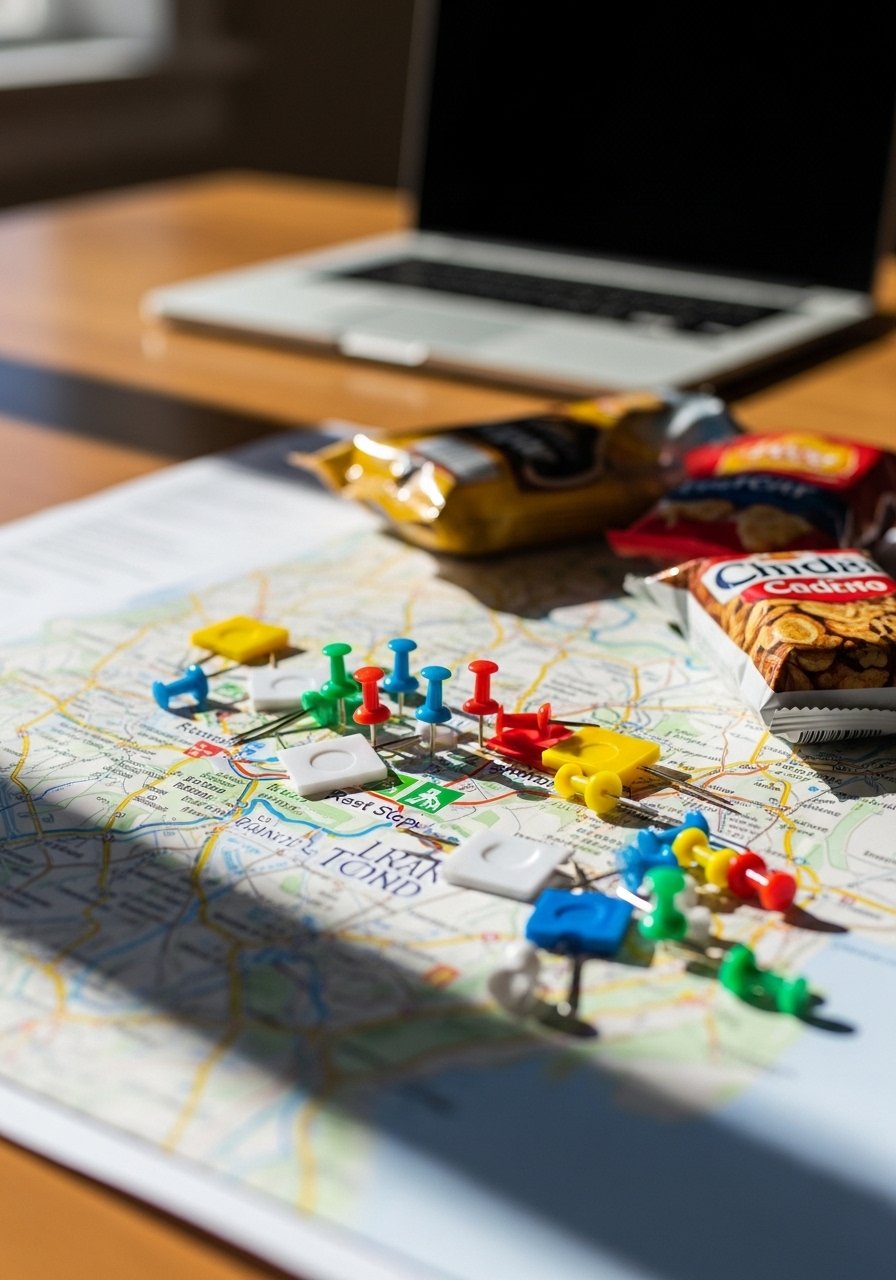
I mark every two hours: playground, stretch spot. Use the atlas for diners too. Keeps energy steady.
Pauses make long drives comfortable. What changes? No begging for "are we there?"
Missed insight: local parks beat chains. Avoid overbooking—empty slots save meltdowns.
Step 4: Pack Smart with Family Input
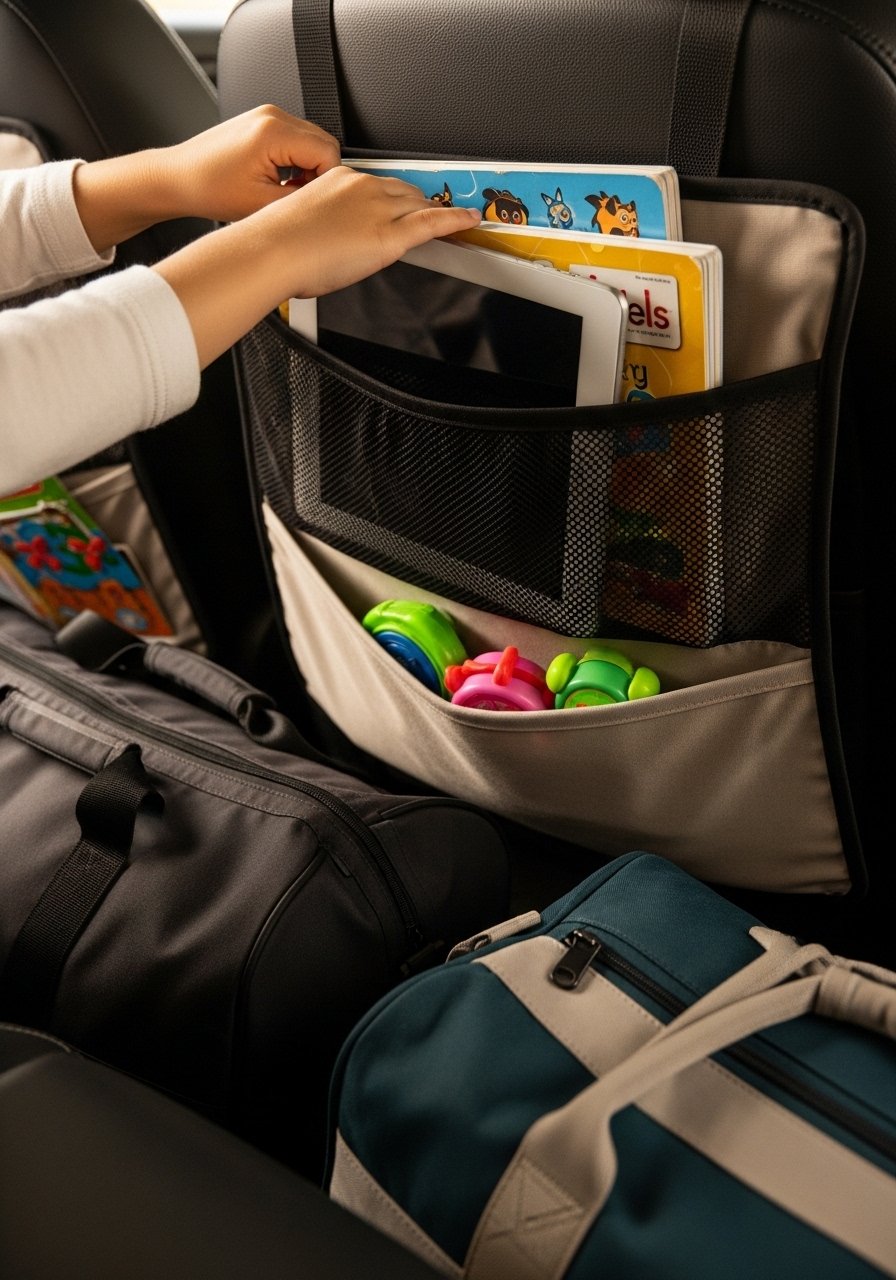
We gather gear like the cooler and organizers. Kids pick toys. Fill water bottles. Why? Everyone owns it.
Packing shifts from chore to ritual. Insight: one bag per kid cuts chaos.
Common mistake: overpack clothes. Stick to layers; laundry stops work.
Step 5: Prep the Car and Do a Test Run
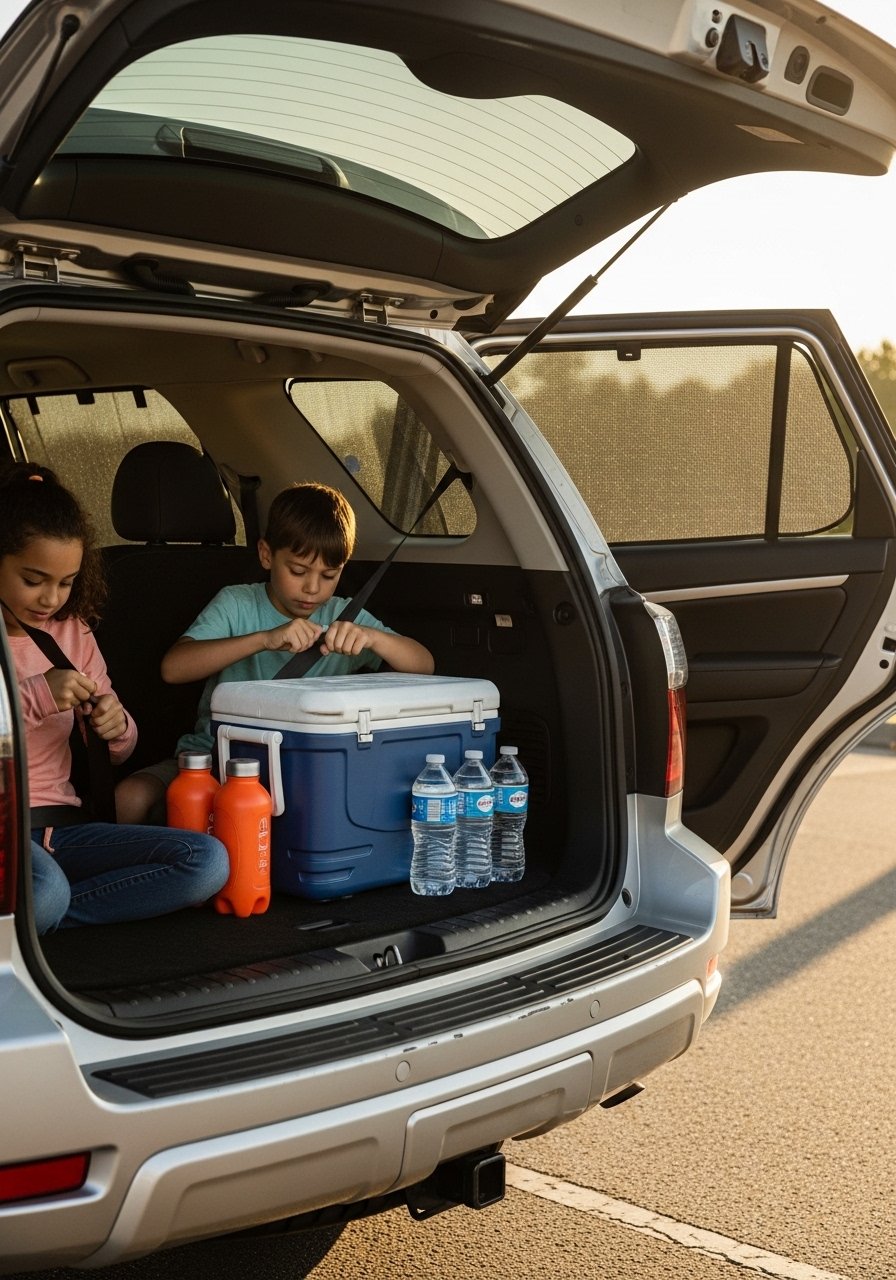
Load the car: shades up, charger plugged. Short test drive around town. Checks vibes.
Final prep means smooth takeoff. What changes? Confidence, no forgotten diapers.
People skip tests—avoid it. One loop reveals rattles or spills.
Keeping Kids Occupied Without Screens
I mix it up on drives. The activity books and crayons fill quiet hours. Seatback organizers hold them close.
- Hand out snacks from bento containers every hour.
- Play "spot the animal" with window shades filtering sun.
- Audio stories on the phone charger keep it powered.
This builds memories. No fights over iPads.
Handling Unexpected Delays
Rain hits? Pull into a covered picnic spot. Flat tire? Atlas shows nearby help.
Keep the cooler stocked—cold drinks calm everyone. Budget buffer covers a hotel if needed.
Delays happen. Prep makes them pauses, not problems.
Simple Ways to Stay on Budget
Track gas with the atlas mileage. Pack most meals.
- Use reusable bottles to skip $3 drinks.
- Free parks over paid attractions.
- One treat fund, not daily splurges.
It adds up to more fun money.
Final Thoughts
Start with one short route this weekend. Test the steps.
You'll feel the difference: less stress, more laughs.
Road trips build family bonds when planned this way. Just go.
Leave a Reply