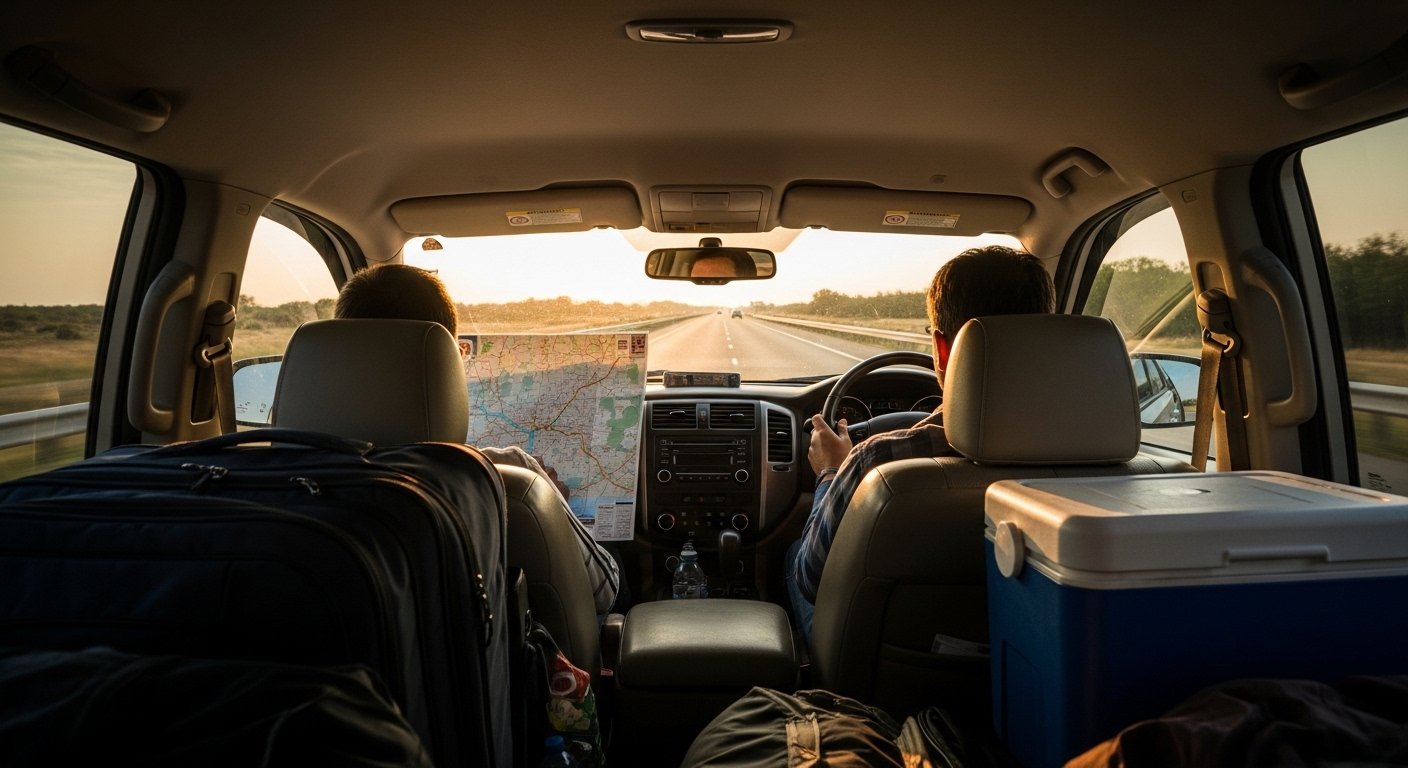
I stared at my screen last summer, pins dropped everywhere from California to Maine. Options piled up. My first road trip attempt turned into 14-hour drives and wrong turns. It felt chaotic, not free.
Planning shouldn't drain you before you start. I've fixed that over five cross-country hauls.
This guide shares my simple process. It leads to a trip that flows right.
How To Plan A Usa Road Trip Step-By-Step Guide
This method takes you from blank page to printed itinerary in a weekend. You'll have balanced drives, rest spots, and a budget that holds. Road trips become comfortable, not stressful.
What You’ll Need
- Rand McNally 2024 Large Scale Road Atlas
- iOttie Auto Sense Qi Wireless Car Phone Mount
- Igloo 28 Quart Iceless Thermoelectric Cooler
- Tire Pressure Gauge Digital with Backlight
- YETI Rambler 26 oz Reusable Water Bottle Stainless Steel
- Adventure Medical Kits Road Tripper First Aid Kit
- Anker 20,000mAh Portable Charger Power Bank
- National Parks Pass Holder Lanyard Waterproof
Step 1: Pick Your Route and Dates
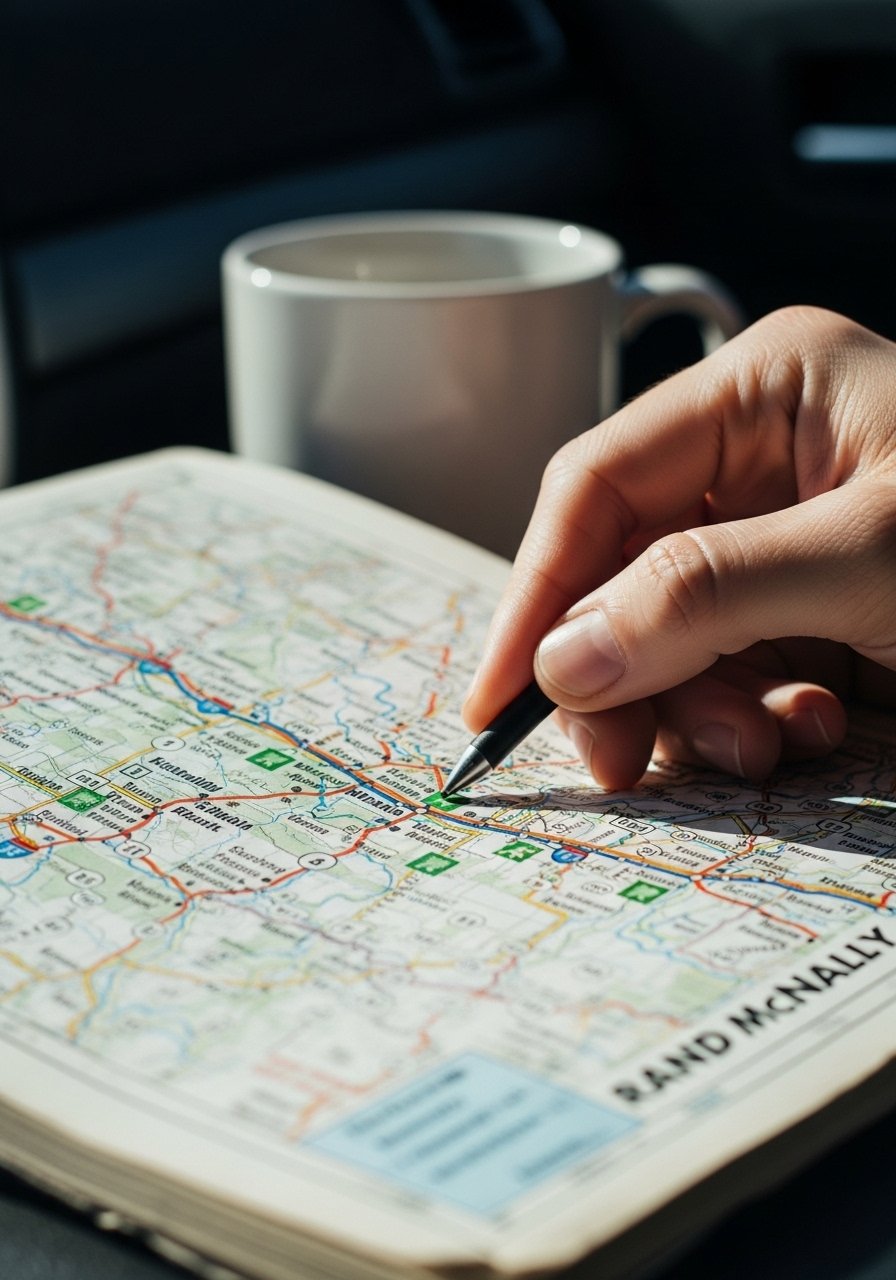
I start with two pins: where I am, where I want to go. East Coast to Rockies? Three weeks max. I check Google Maps for drive times, then adjust for real life—add 20% buffer.
This shifts everything from vague dream to doable path. Drives stay under 6 hours daily. People miss how seasons change routes; summer crowds clog interstates, so I aim for shoulder months like May.
Skip booking flights first. It locks you in. Use the atlas here—apps glitch offline.
Step 2: Map Daily Stops and Drives
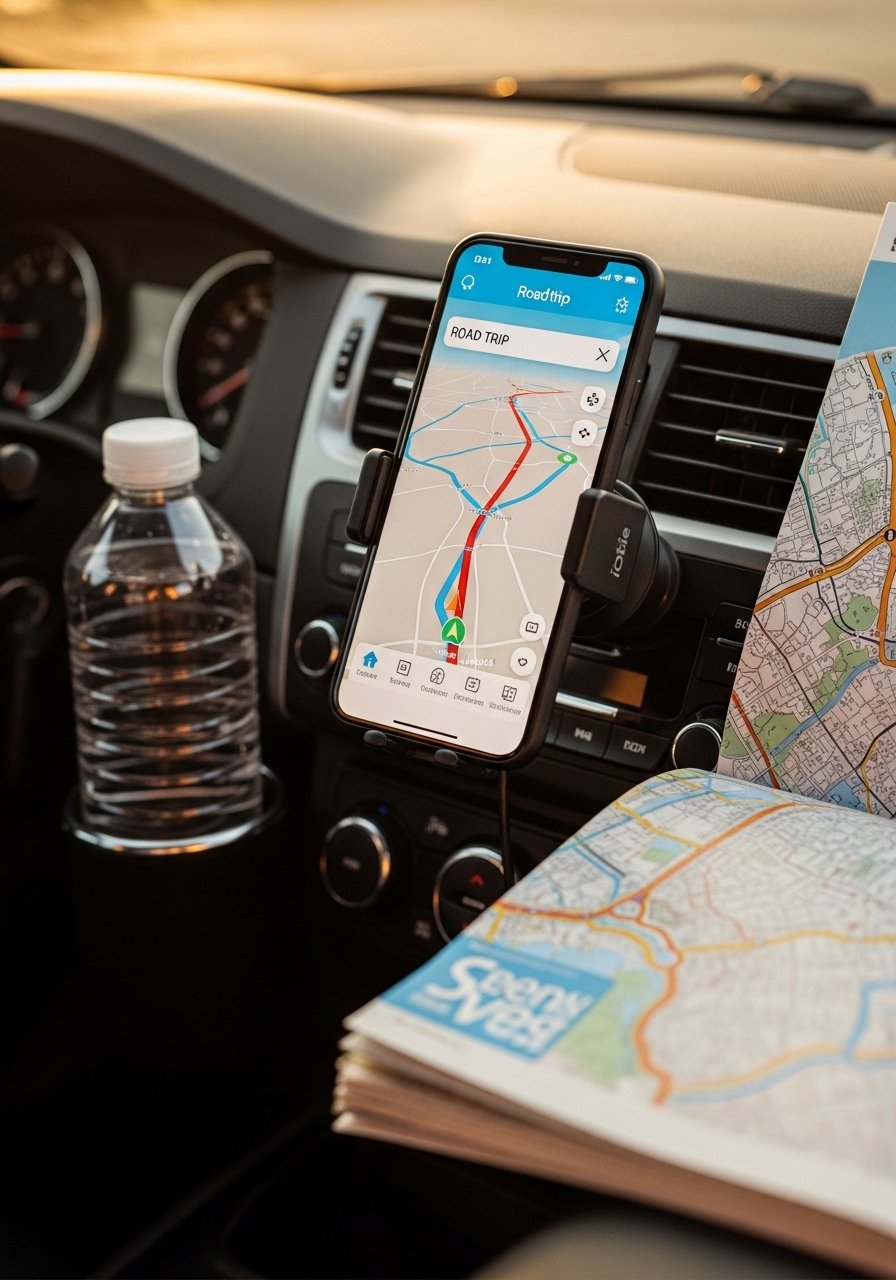
Next, I break the route into days. 300 miles max per drive. Stops hit national parks or small towns mid-afternoon. Book campsites or motels loose at first.
Now your trip has rhythm—mornings for sights, evenings to unwind. The insight: gas stations cluster unevenly; plan fills every 200 miles using the atlas.
Don't overload days with "must-sees." Pick two per stop. It keeps energy steady.
Step 3: Book Lodging and Campsites
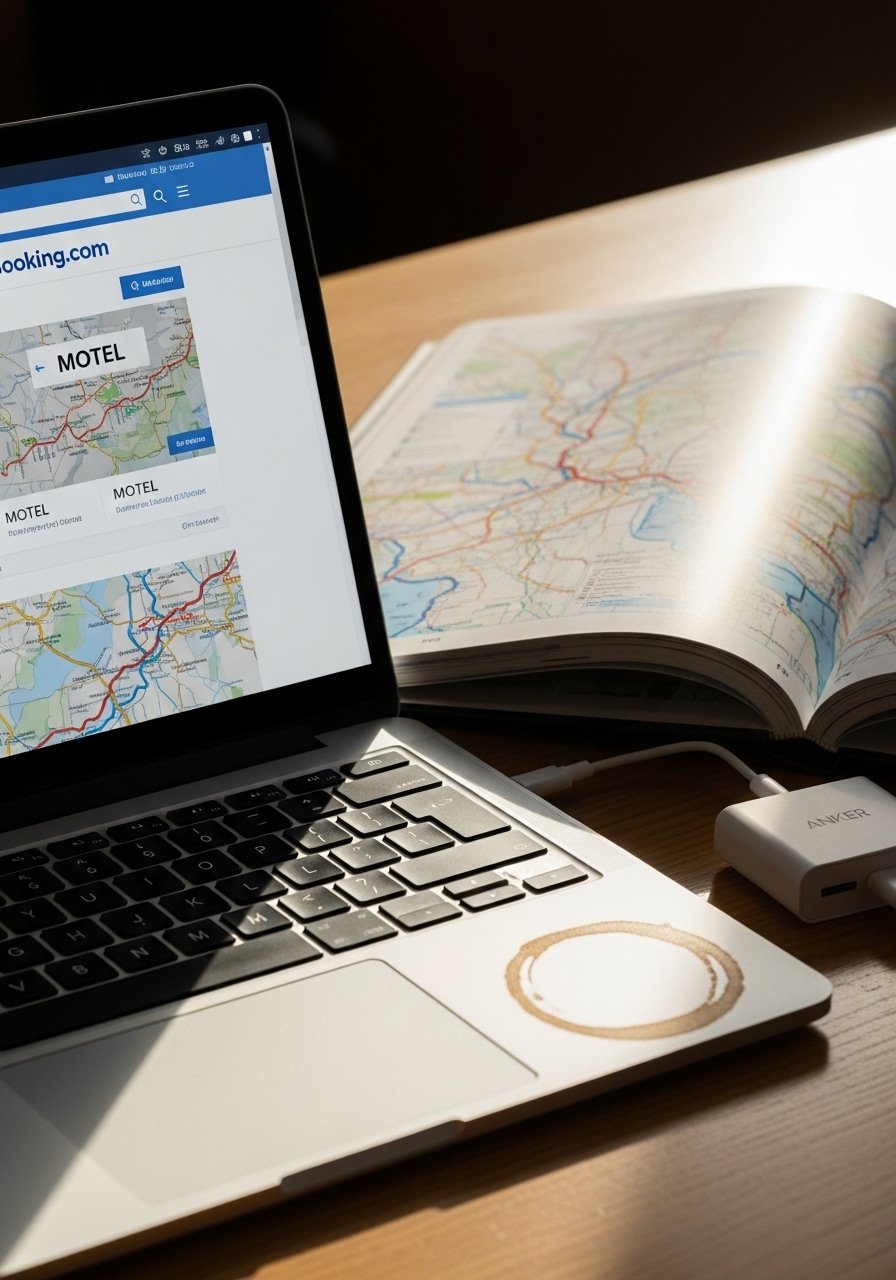
I search mid-range spots 100 miles ahead. Motels off highways for quiet, campsites via Recreation.gov. Confirm pet-friendly if needed.
Your nights lock in comfort—no last-minute scrambles. Folks forget to check cancellation policies; I pick flexible ones.
Avoid chains every night. Mix in state parks. They recharge you better.
Step 4: Set Your Budget and Pack Light
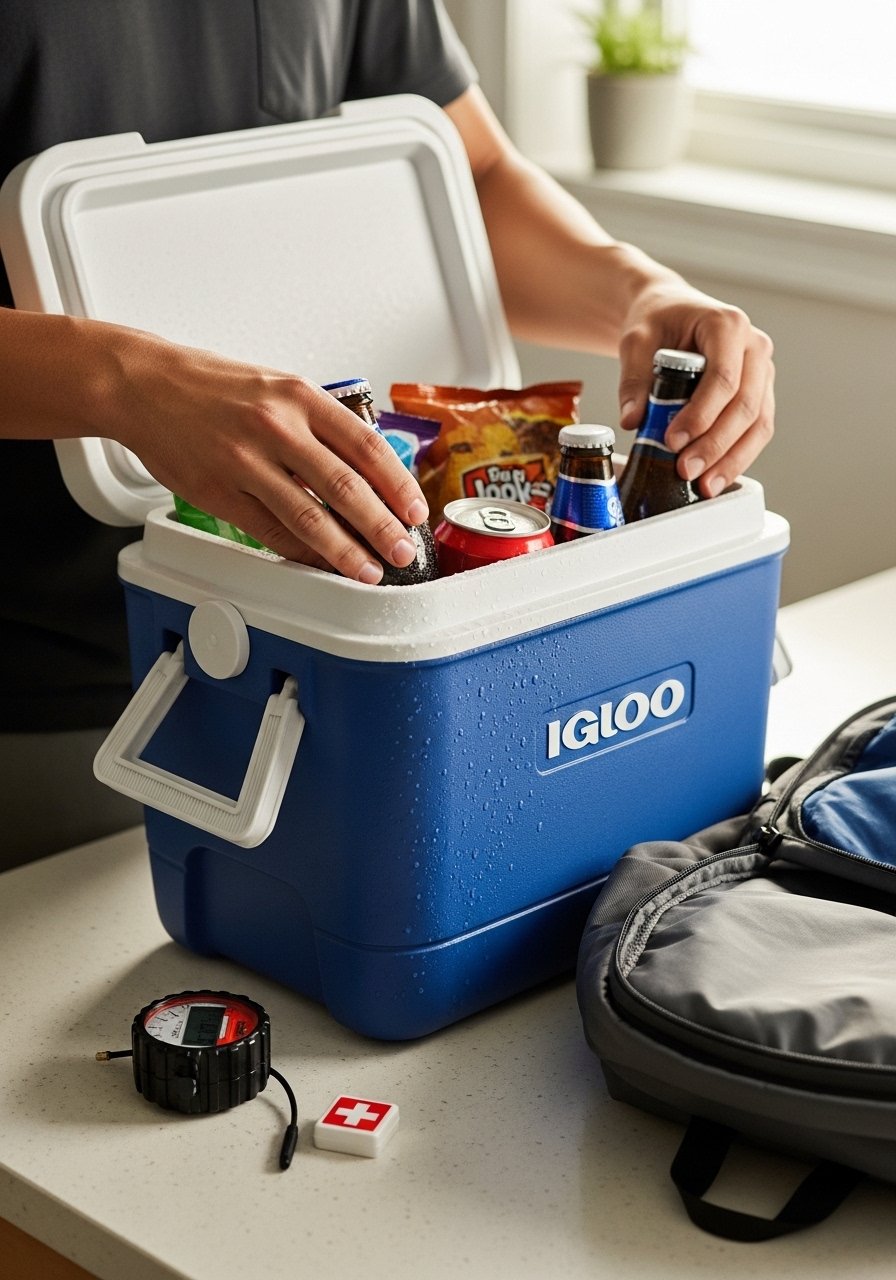
Gas at $4/gallon? I calculate 25 mpg. Add $50 daily for food, $100 lodging. Apps like GasBuddy refine it.
Packing changes to essentials only—cooler stocked, phone charged. Miss this, and costs balloon. Common error: overpacking clothes. One bag per person works.
Test the car load. It ensures smooth handling.
Step 5: Test Run and Final Checks
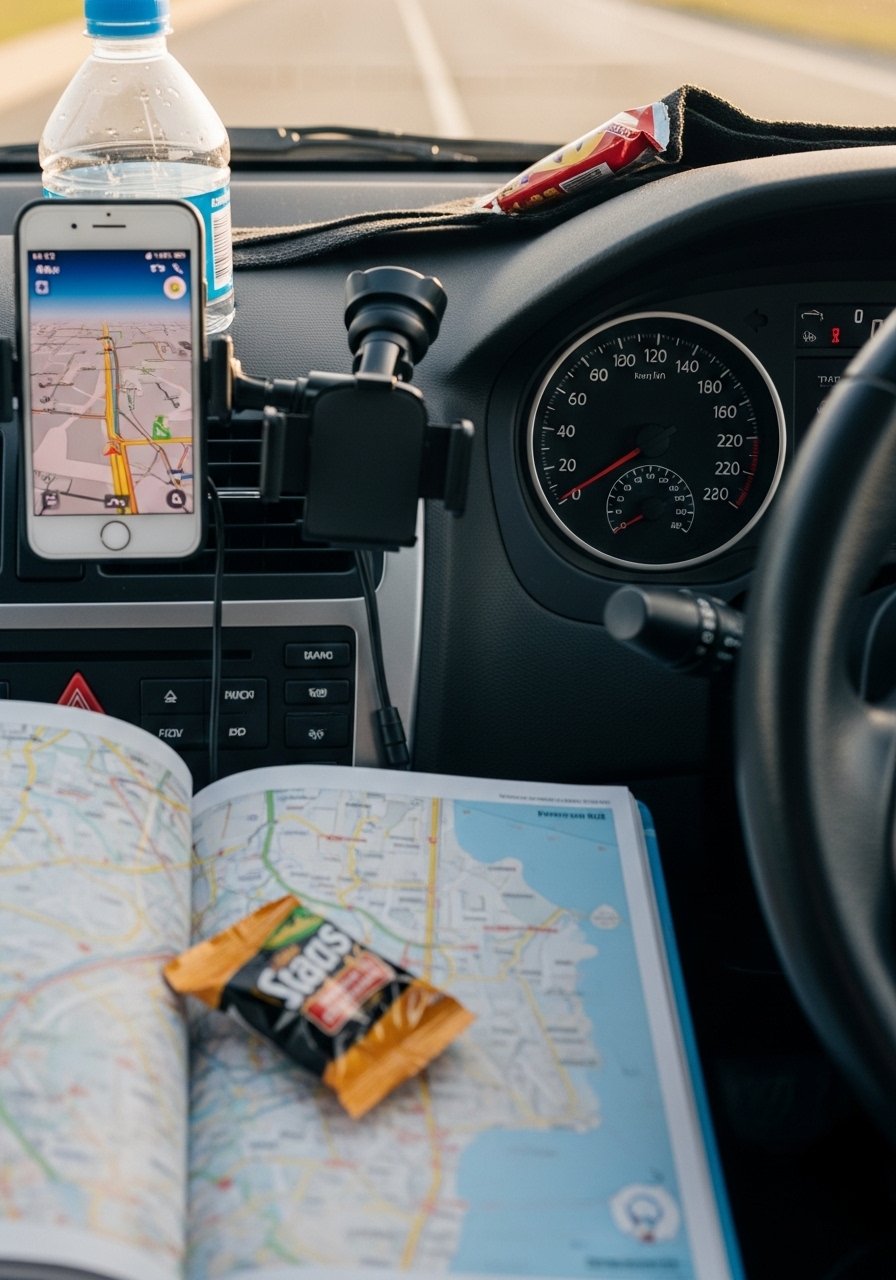
Day before, I drive locally with full load. Check tire pressure, charge everything. Print the itinerary.
This builds quiet confidence—no surprises day one. People skip vehicle checks; a flat mid-Nevada hurts.
You're ready. The trip starts calm.
Road Trip Budget Breakdown
I keep costs real. Gas eats half on long hauls. Food stays cheap with coolers.
- Gas: $300–500 for 2,000 miles.
- Lodging: $80/night average.
- Food: $30/day per person.
Track in a notes app. Adjust as you go. It feels balanced.
Best Routes for First-Timers
Coast to coast overwhelms. Start regional.
Route 66 remnants from Chicago west. Pacific Coast Highway for views. Blue Ridge Parkway slow-paced.
I pick based on drive time. Less than 2,000 miles first go.
Weather and Season Smarts
Check 10-day forecasts weekly. Southwest heat means early drives.
Pack layers always. Rain gear in trunk.
Apps like Weather Underground show radar en route. It keeps choices flexible.
Final Thoughts
Start with a short loop nearby. Test the plan small.
You've got the tools now. Trips like this build over time.
One good road ahead beats ten half-planned. Drive steady.
Leave a Reply