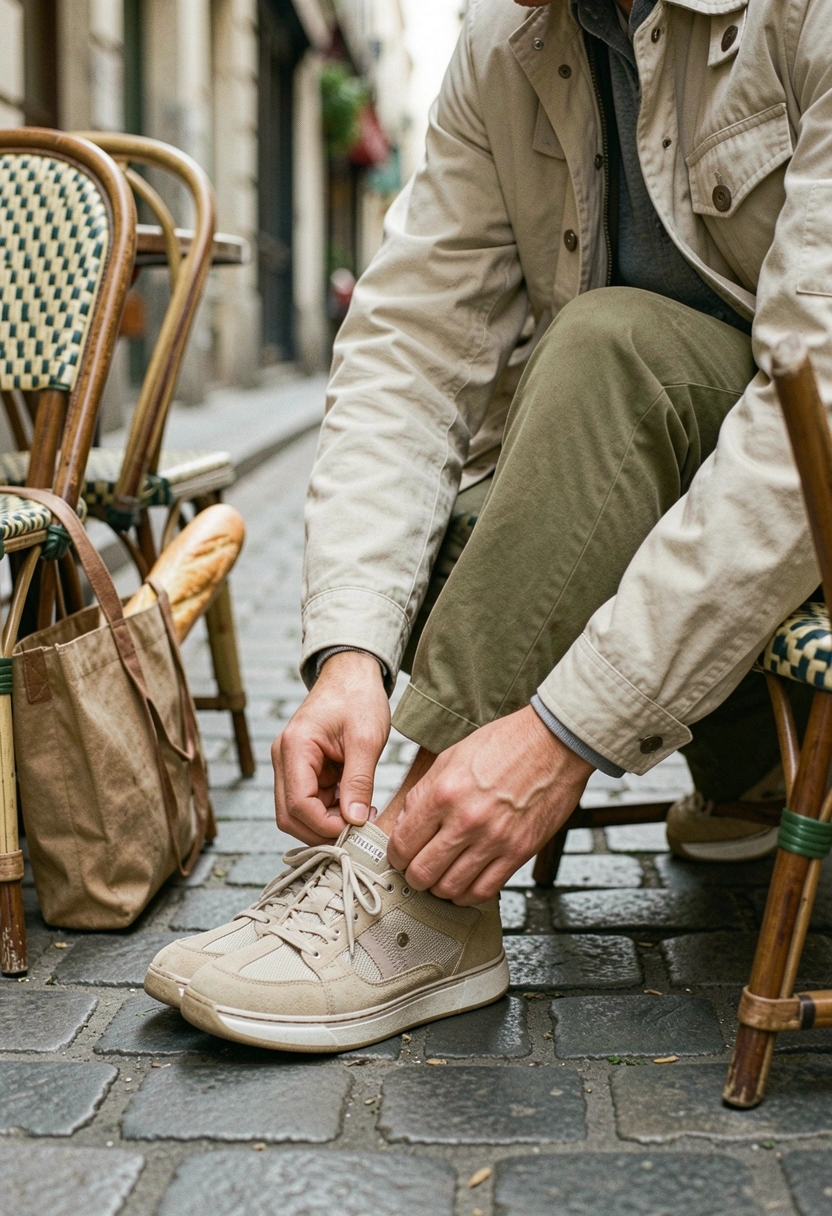
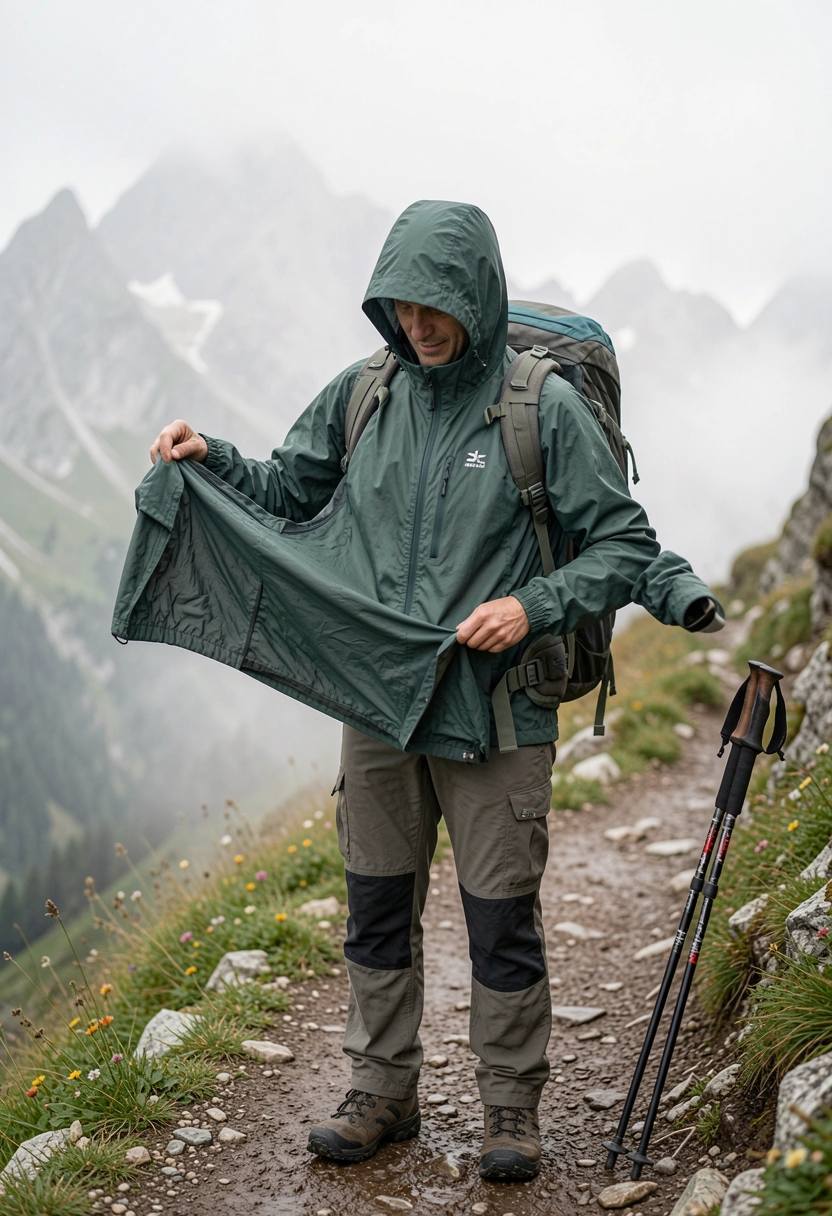
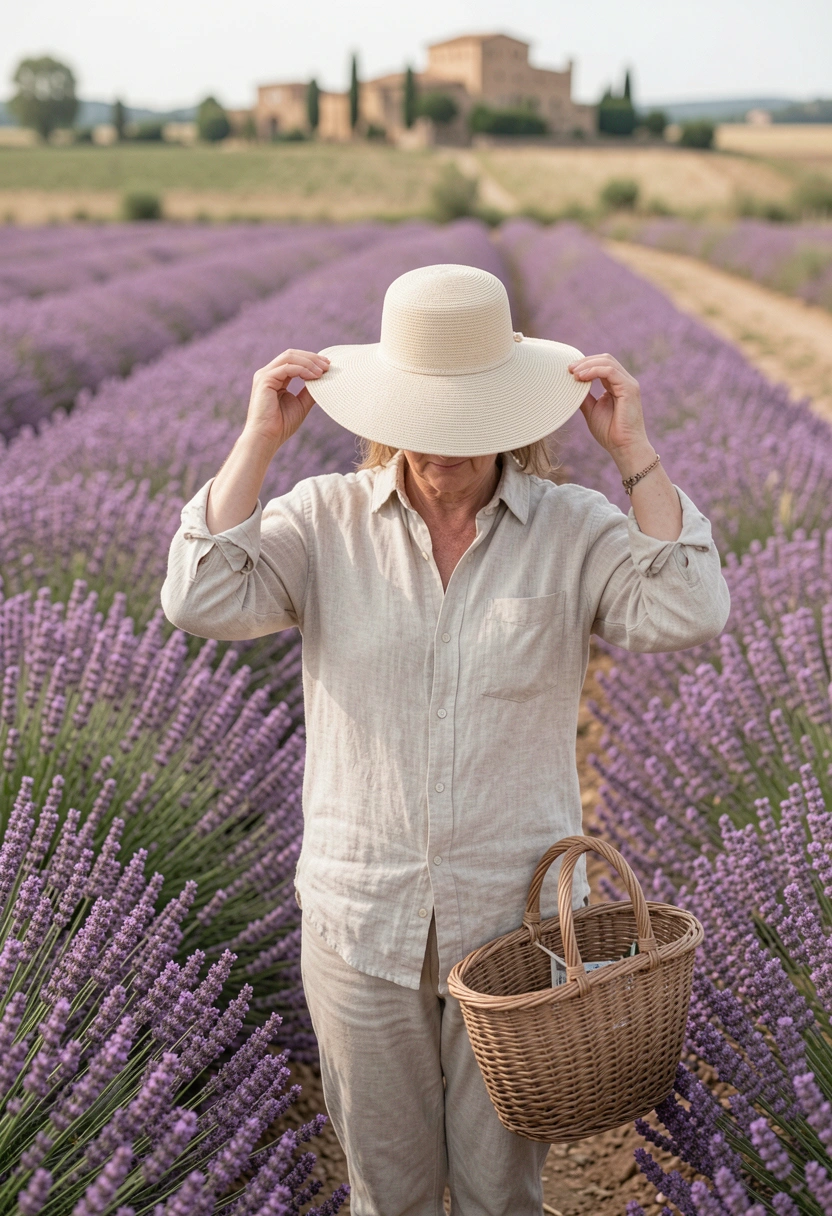
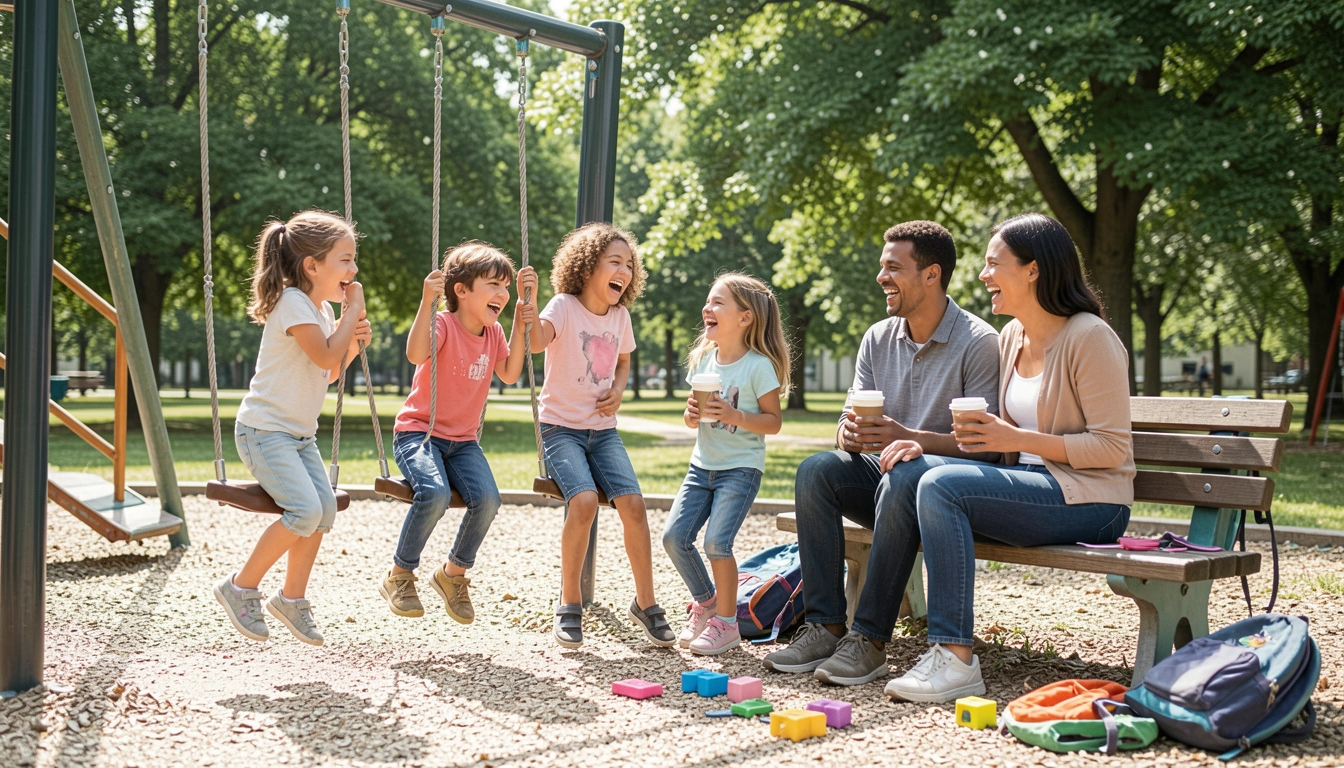
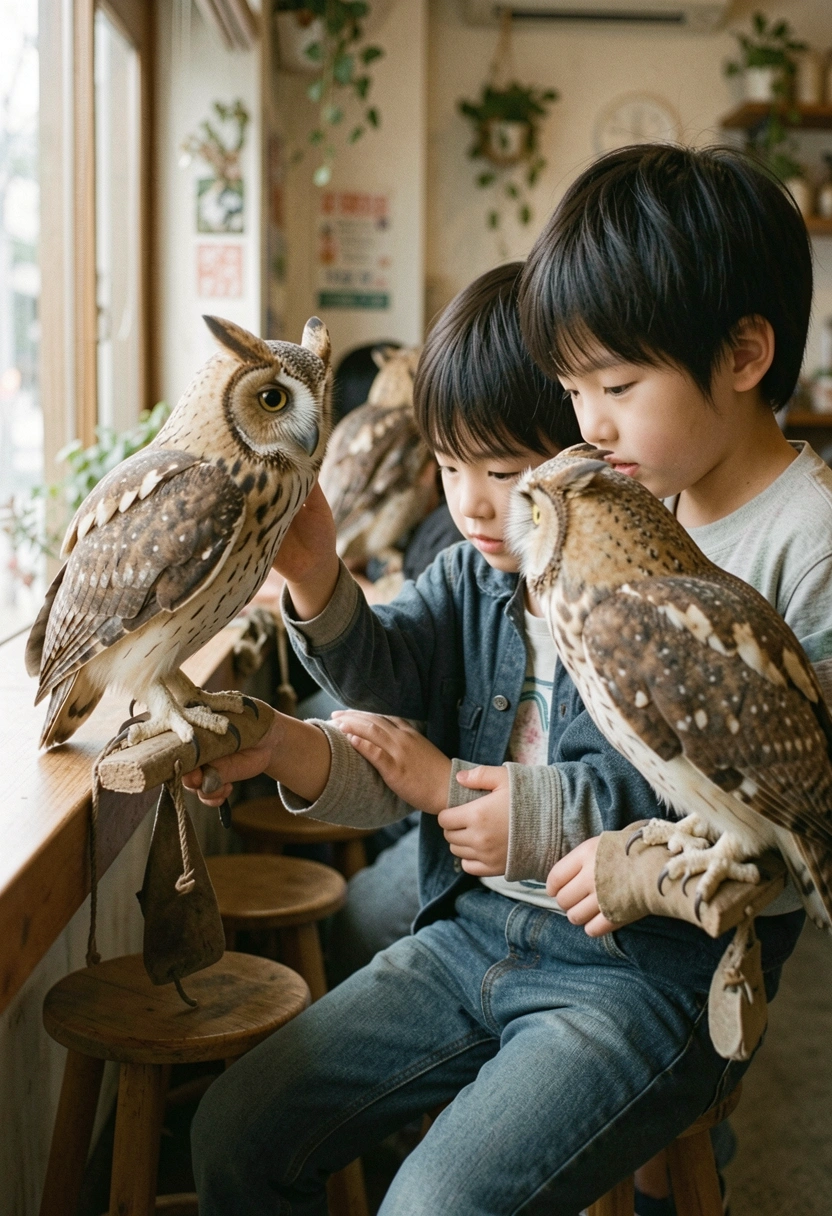
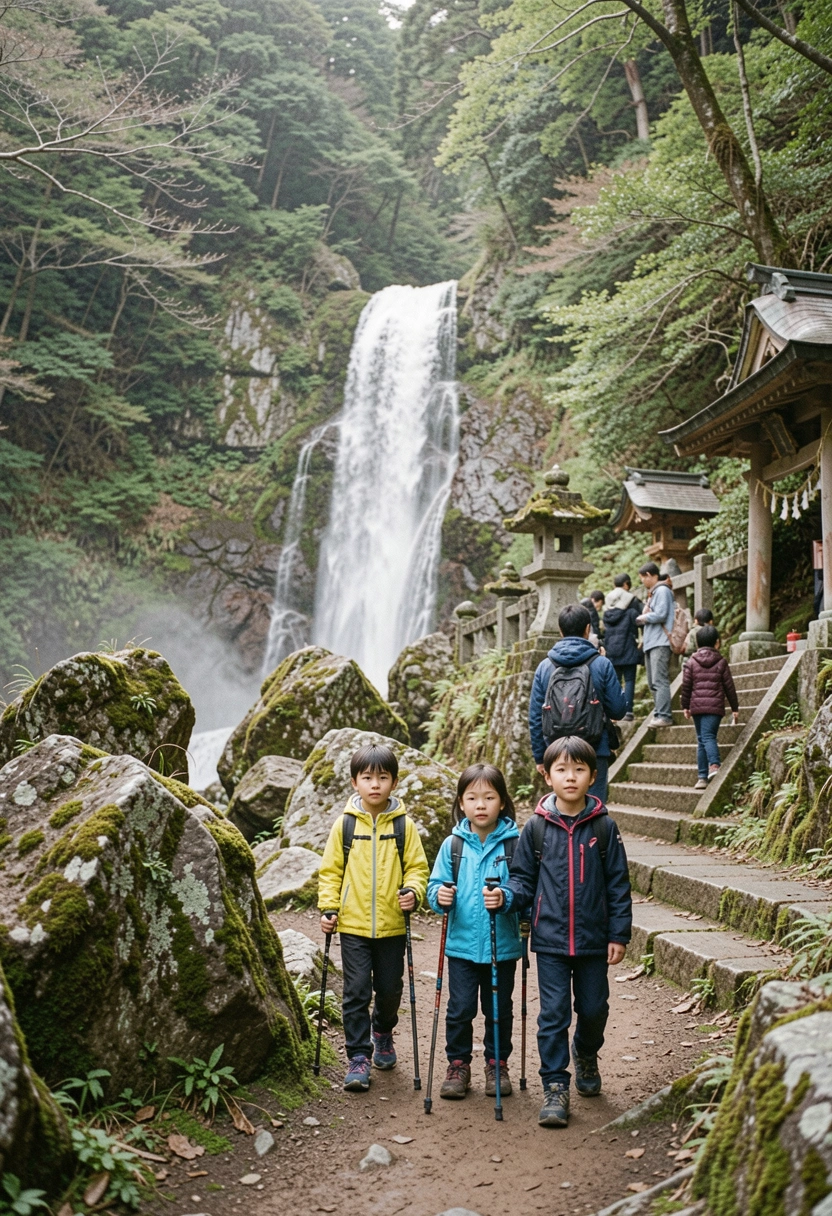
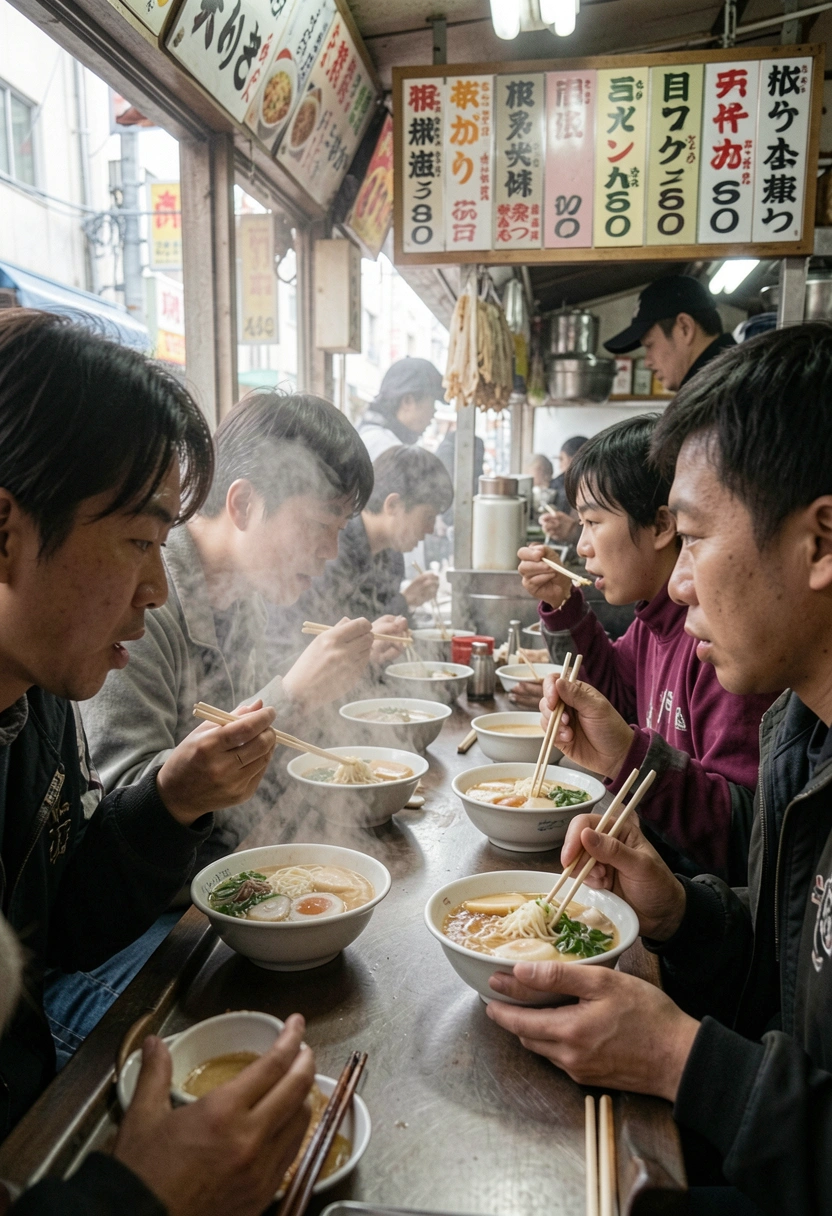
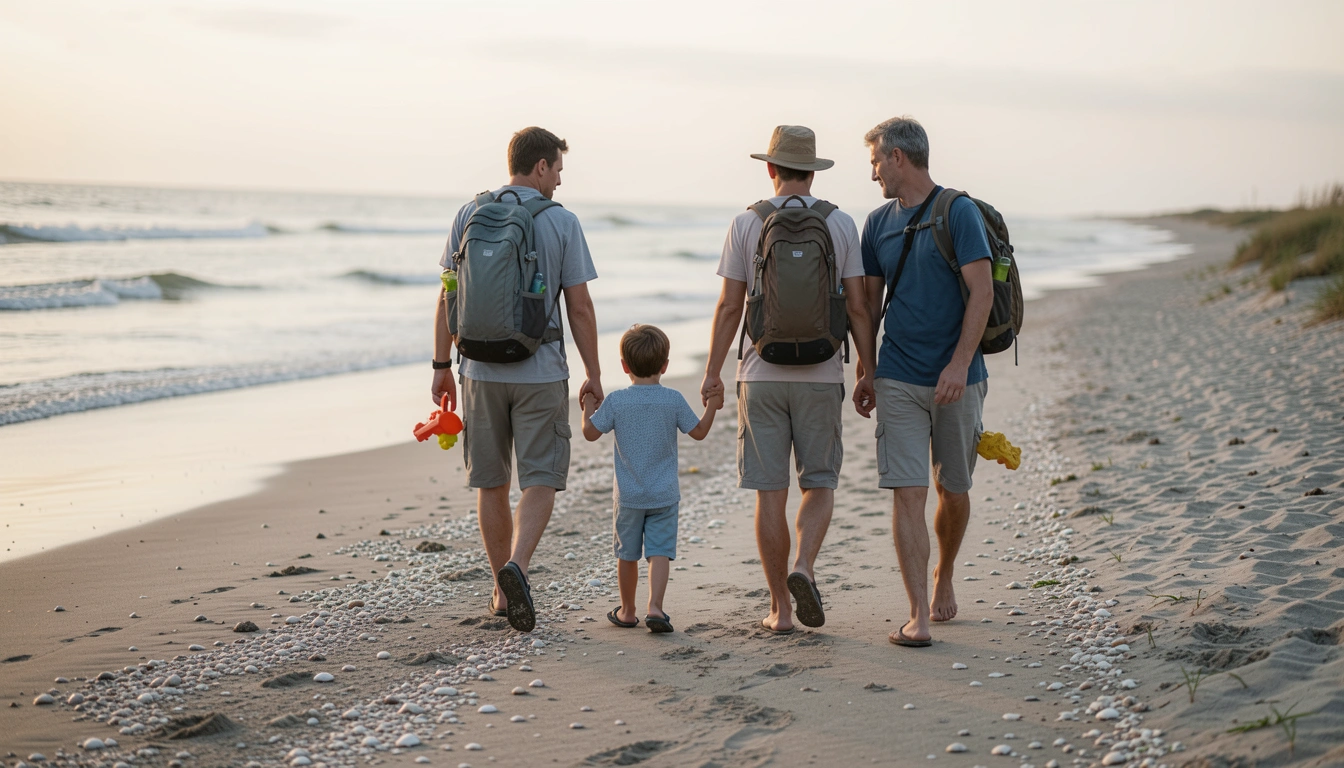
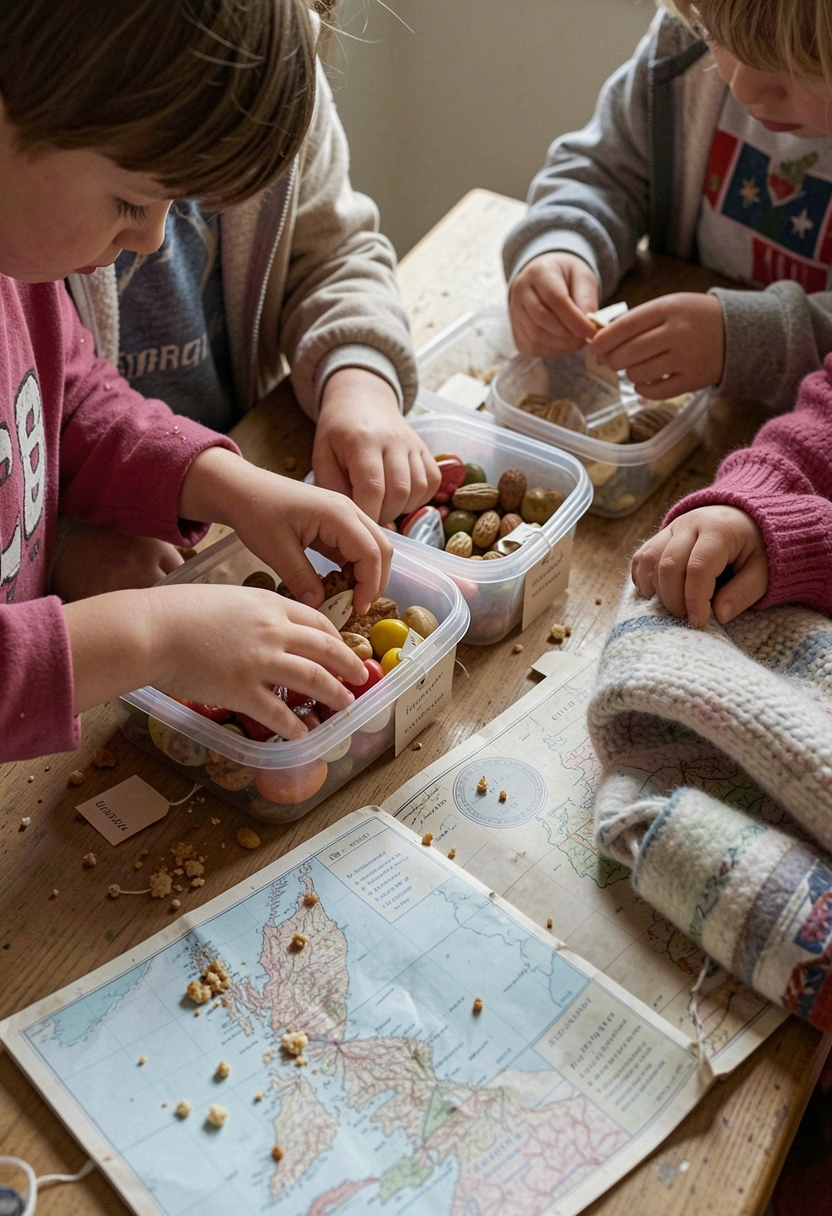
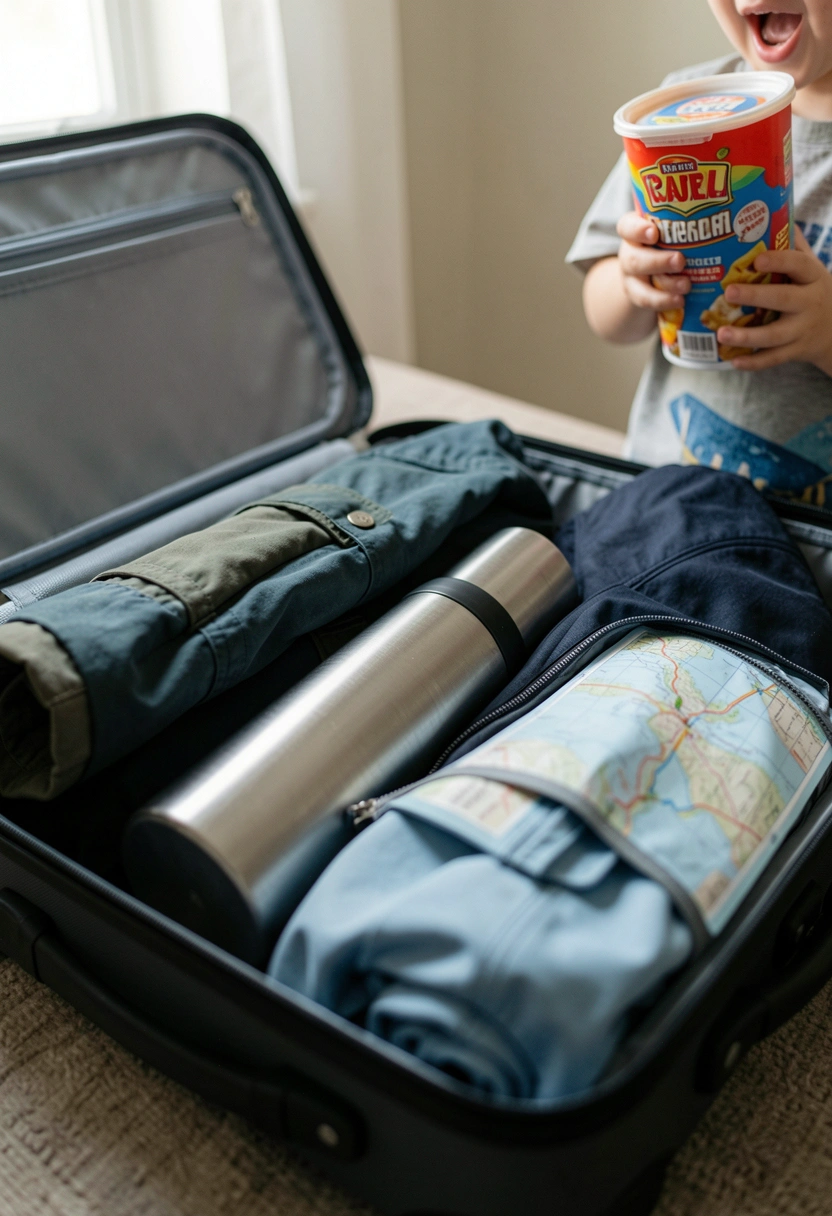
Last family trip, my youngest spilled juice all over the rental car seat five minutes in. We laughed it off, wiped it down, kept driving. That's family travel – messy starts, real bonds. I've chased calm spots where kids thrive, parents unwind. No perfection, just places that fit us.
25 Top Best Places To Travel With Family Now
These 25 best places to travel with family come from trips I've actually taken with my own kids. Spots that handled tantrums, picky eaters, and tired legs. Real, doable ideas ahead – book one, pack light, go.
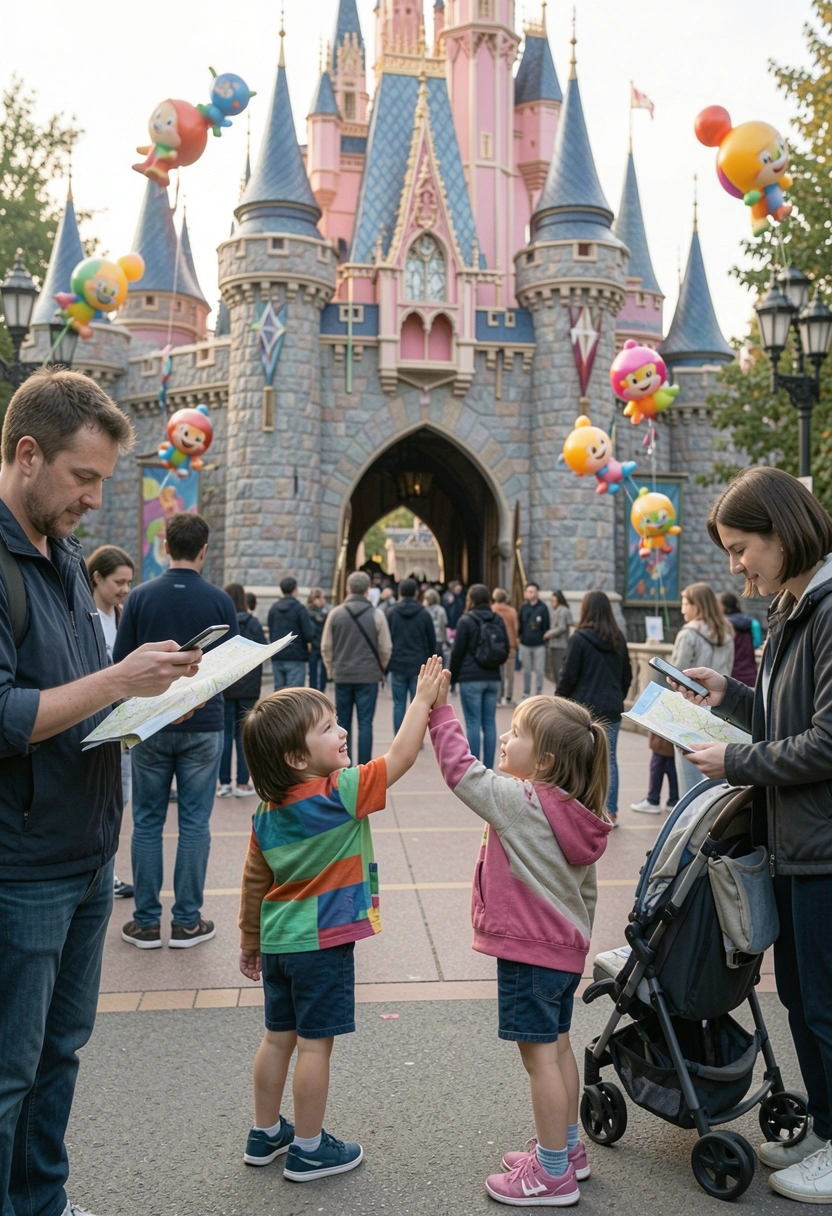
1. Orlando Theme Park Days with Early Entry Hacks
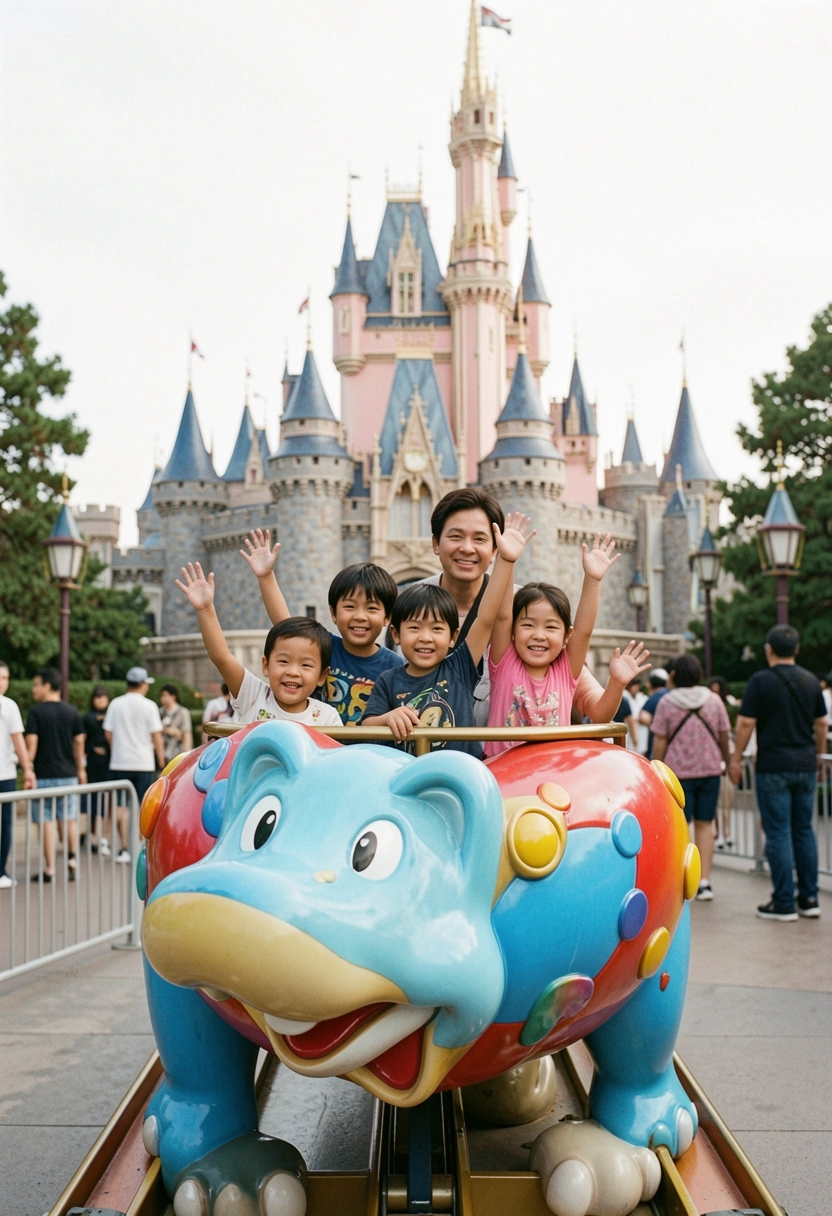
I drove into Orlando last spring, kids buzzing for Disney. Arrived at rope drop – gates open, lines short. Rode seven coasters by lunch, no meltdowns. Heat hit later, but shaded queues and mist fans saved us. Felt like insiders, not tourists.
One insight: Skip afternoons. We napped at the hotel pool, returned for night shows. Magic Kingdom fireworks lit their faces – worth every dollar.
Watch for FastPass remnants via app. Book character meals early; my picky eater loved chatting with Mickey over pancakes.
Practical tip: Rent a locker for snacks. We overpacked lunches once, arms ached.
What You’ll Need for This Trip
[A Lightweight stroller fan, USB rechargeable
Family-sized insulated lunch bag, leakproof
Portable misting bottle, collapsible
Disney-themed kids' backpack, 20L
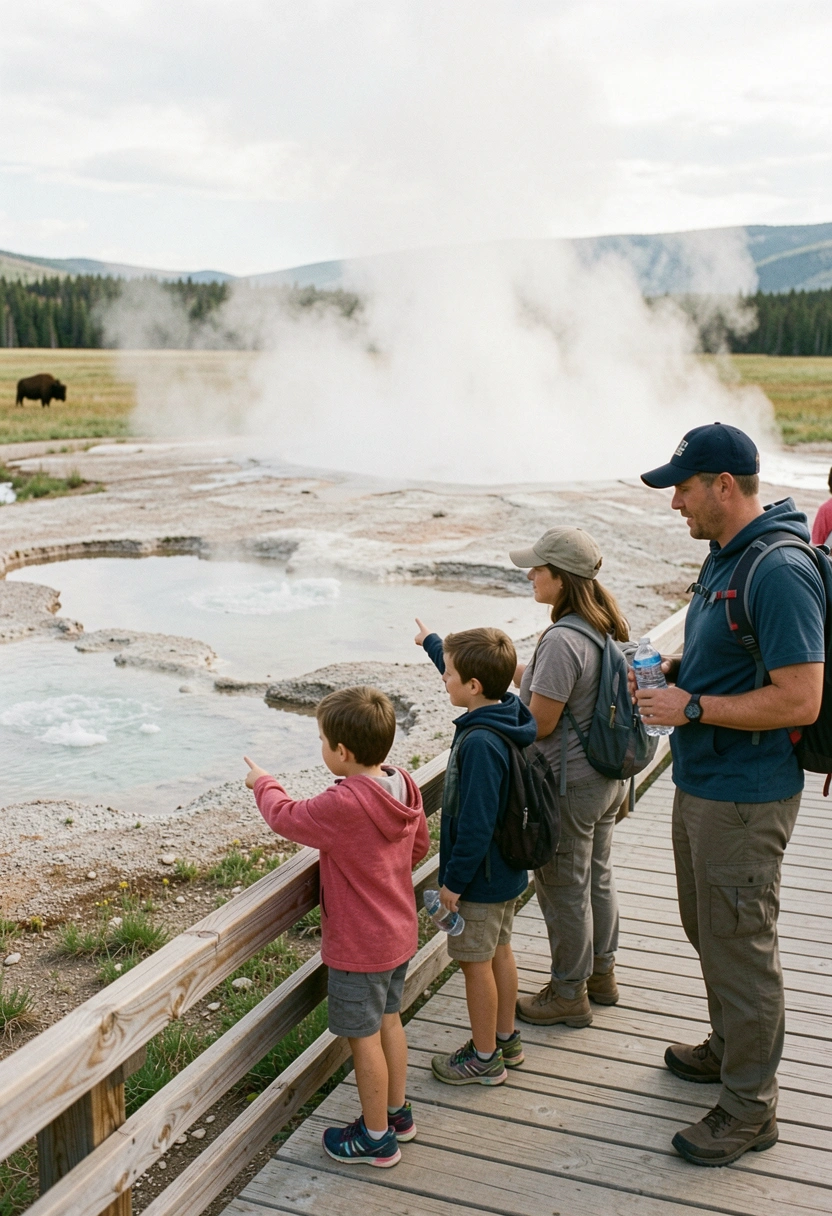
2. Yellowstone Geyser Hikes on Kid-Sized Trails
Yellowstone in summer – we parked at Old Faithful, hit short loops first. Kids spotted bison from safe paths, no fences needed. Geysers erupted right on cue, steam whooshing up.
I missed the ranger talk once, regretted it. Next day, joined – learned why not to chase wildlife. Hands-on without risk.
Trails under 2 miles kept legs happy. Picnic at Grand Prismatic, colors popping against blue sky.
Tip: Drive loop roads early. Wildlife jams ease by noon.
What You’ll Need for This Trip
Collapsible water bottles set, family of four
Kids' binoculars, lightweight shockproof
National park daypack, waterproof 30L
Bear spray holster, quick-release
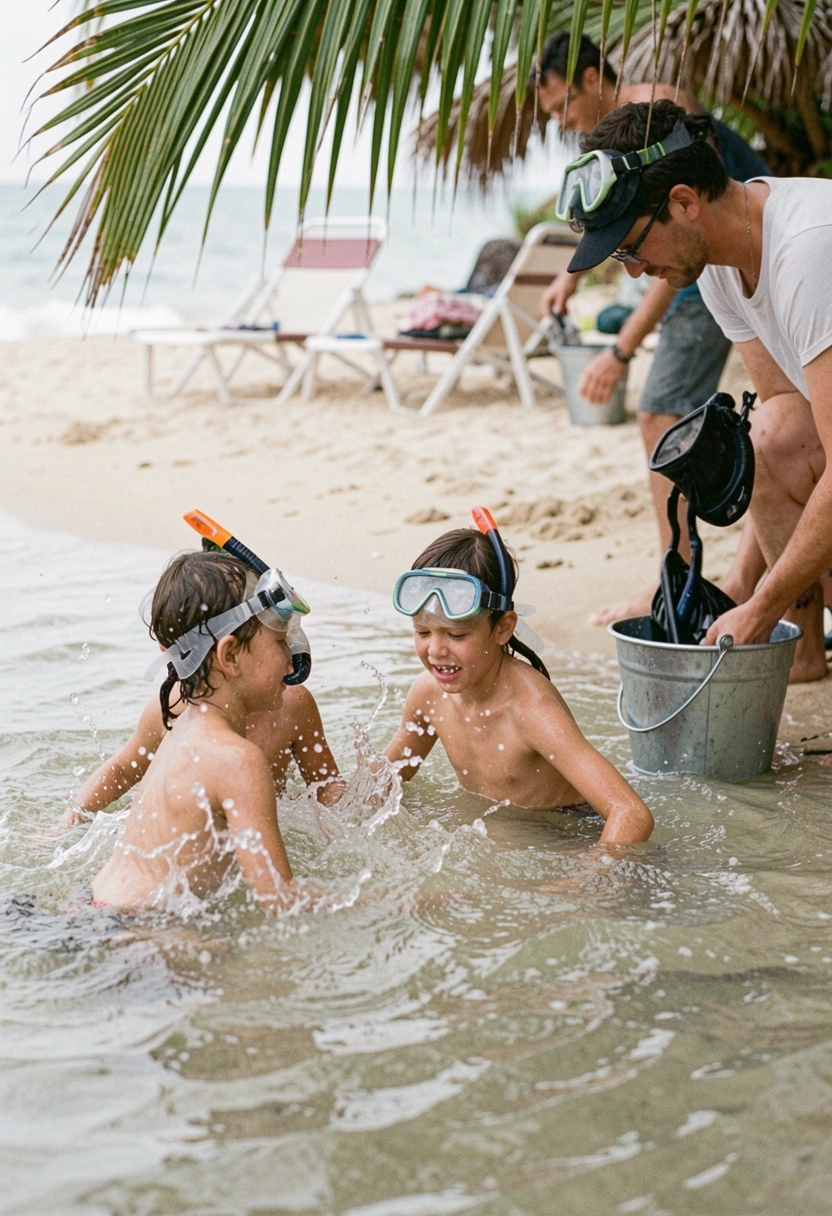
3. Maui Beach Camps with Tide Pool Snorkeling
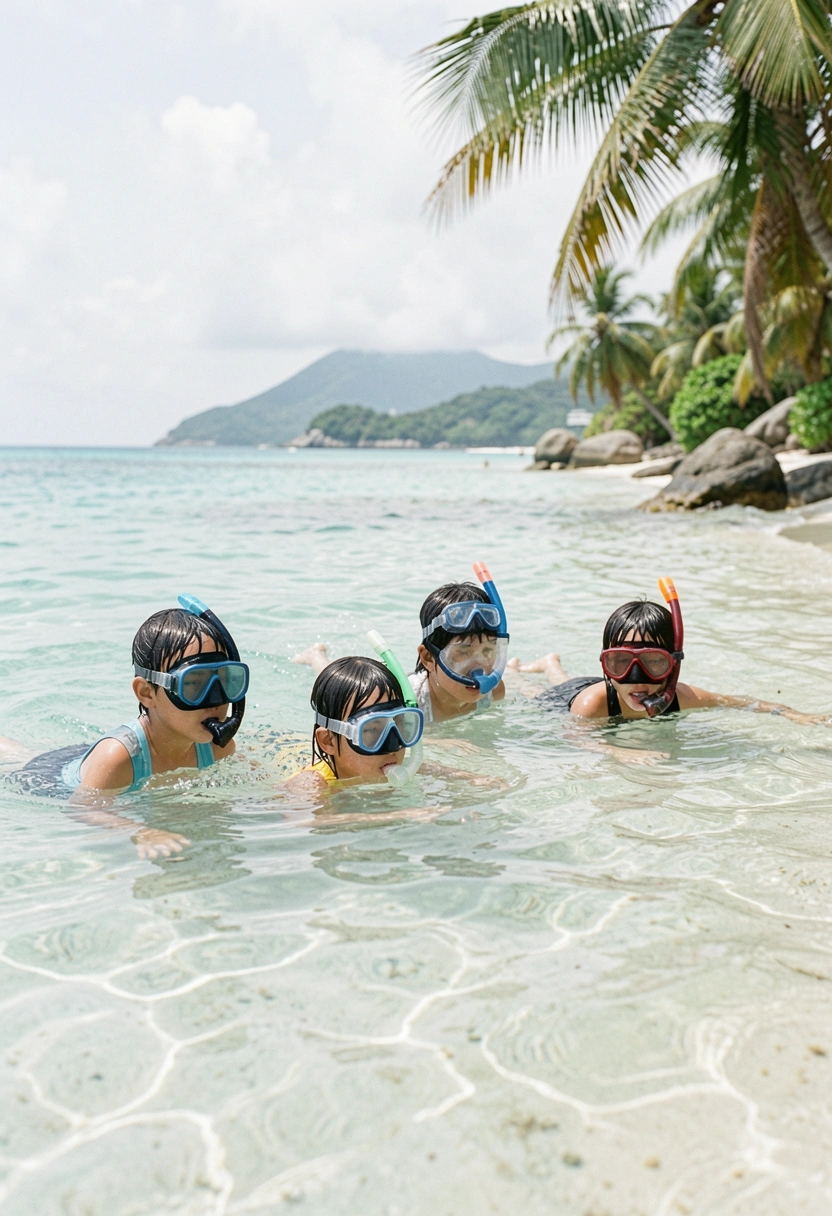
Maui's north shore – rented a beach house, woke to waves. Tide pools at low tide: fish darting, kids knee-deep giggling. No crowds like Waikiki.
Overpacked swimsuits; hung them on porch lines. Sun dried fast.
Snorkeled calm bays afternoons. Turtles swam close, magical for little ones.
Book condo with kitchen. Grilled fish nightly, saved big.
What You’ll Need for This Trip
Kids' snorkel set, adjustable mask fins
Beach wagon, collapsible heavy-duty
Quick-dry microfiber towels, family pack
Reusable reef-safe sunscreen, spray bottle
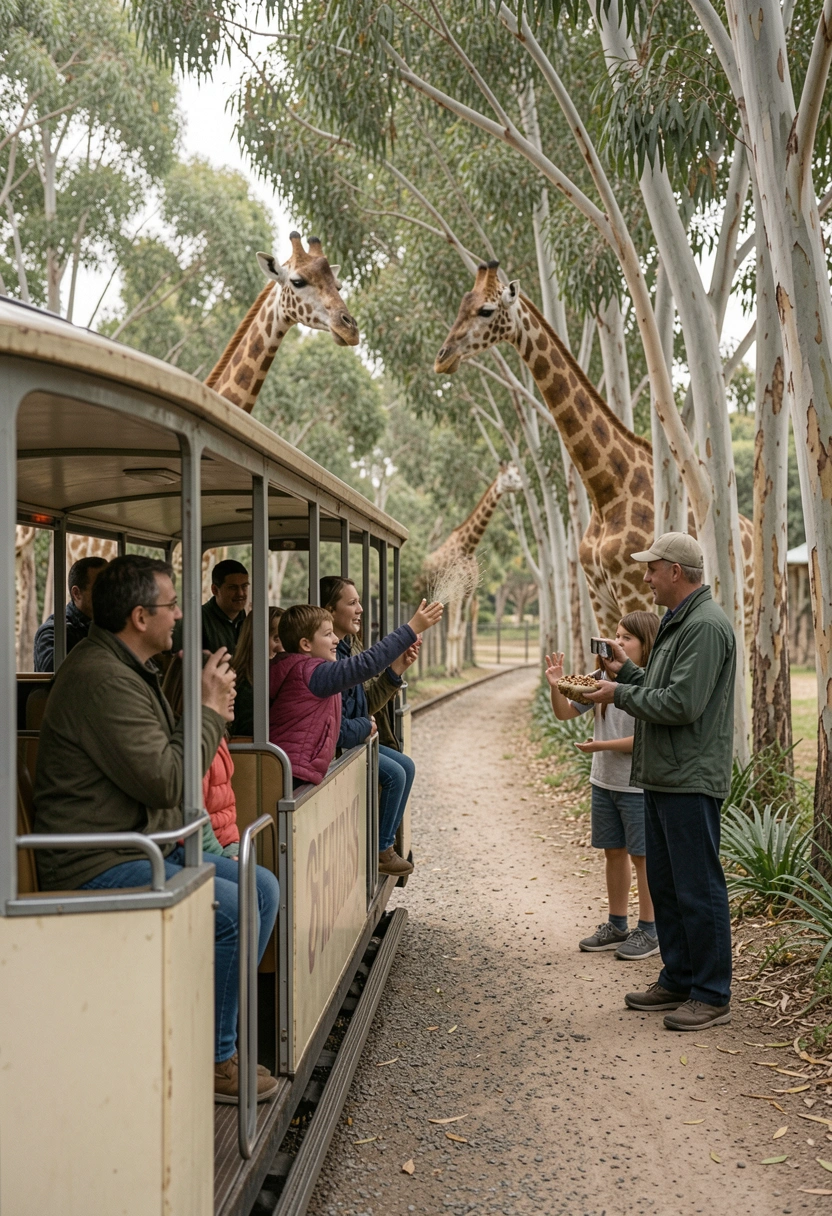
4. San Diego Zoo Tram Rides and Animal Feedings
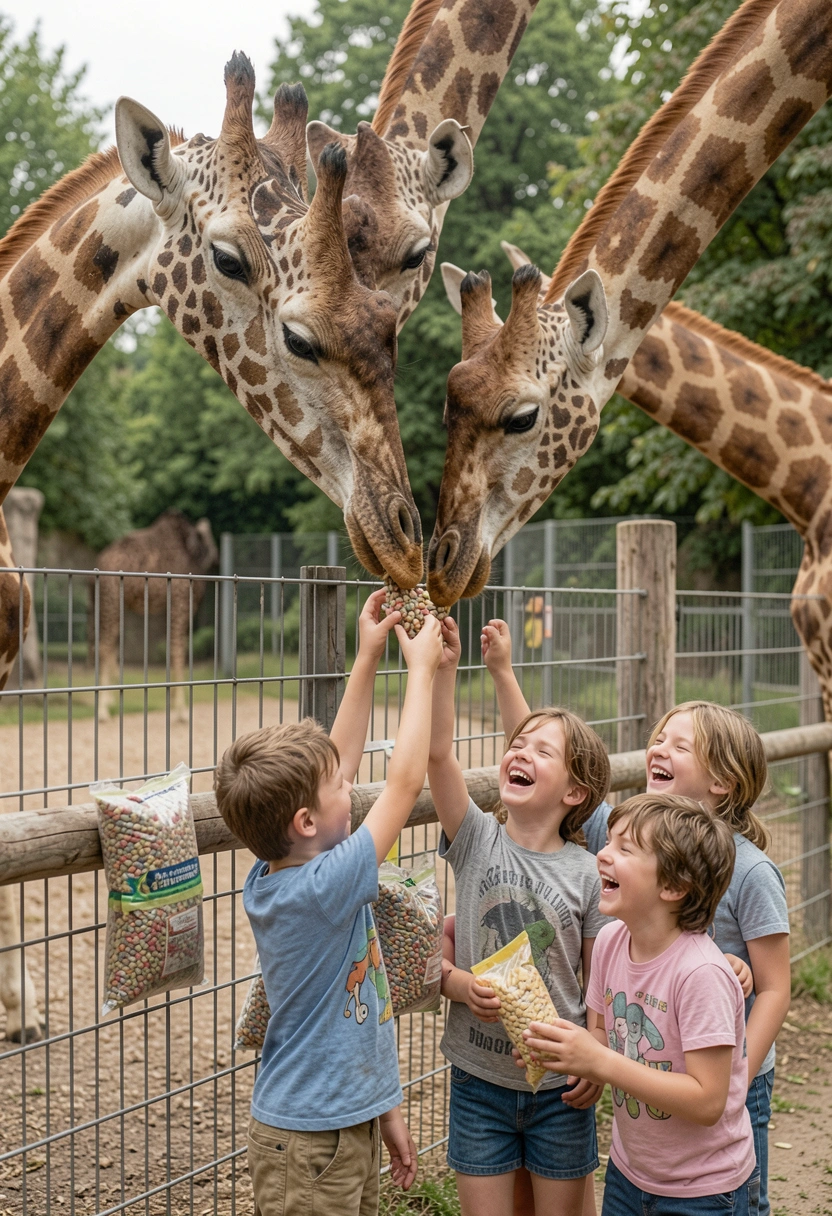
San Diego Zoo – hopped the guided tram, covered hills without sweat. Kids fed giraffes long necks stretching over fence.
I forgot hats first day, sunburned ears. Packed them next.
Panda exhibit drew lines, but bushed babies stole show – bouncy, close-up.
Afternoon picnic under oaks. Relaxed vibe all day.
What You’ll Need for This Trip
Wide-brim family sun hats, packable
Zoo map holder lanyard, waterproof
Insulated snack cooler bag, 12-can
Comfortable walking sandals, kids' sizes
5. Washington DC Mall Bike Loops with Free Museums
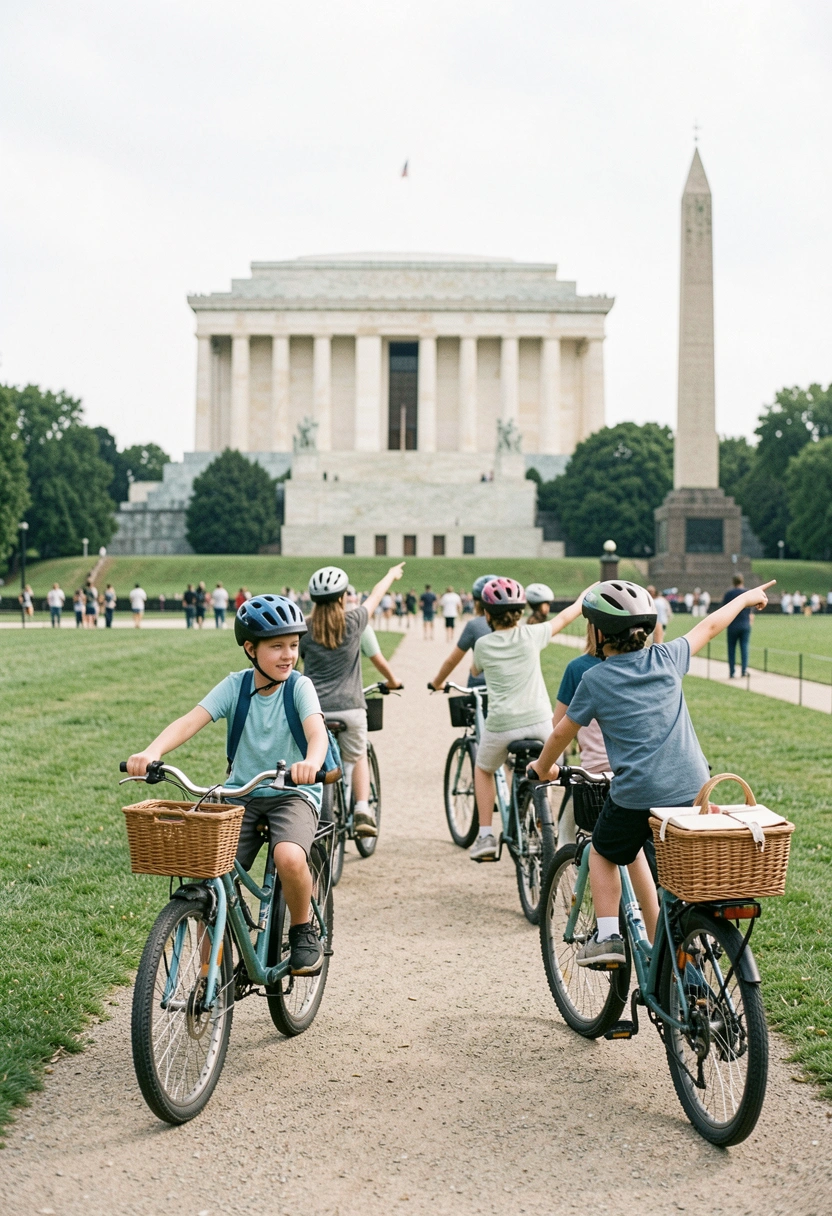
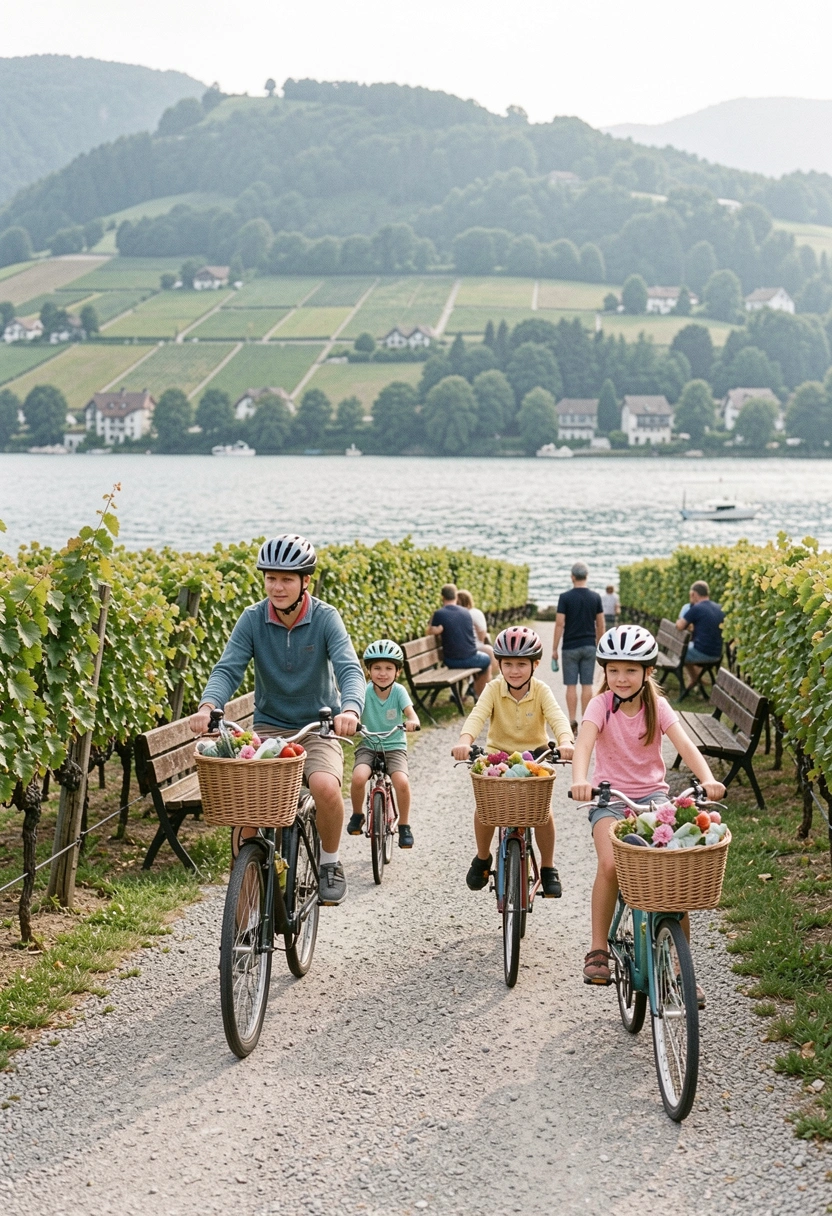
DC's National Mall – rented bikes, circled monuments easy. Kids tired of walking, pedaled happily to Air and Space.
Missed Metro card reload, walked extra mile. Lesson: App top-ups.
Smithsonian entry free, dinosaurs inside wowed them. Lunch on steps.
Evenings, monuments glow. Quiet awe.
What You’ll Need for This Trip
Adjustable bike helmets, family set
Metro card holder wallet, RFID block
Portable bike lock, lightweight cable
Picnic blanket, waterproof sand-free
6. Niagara Falls Boat Rides and Cave Walks
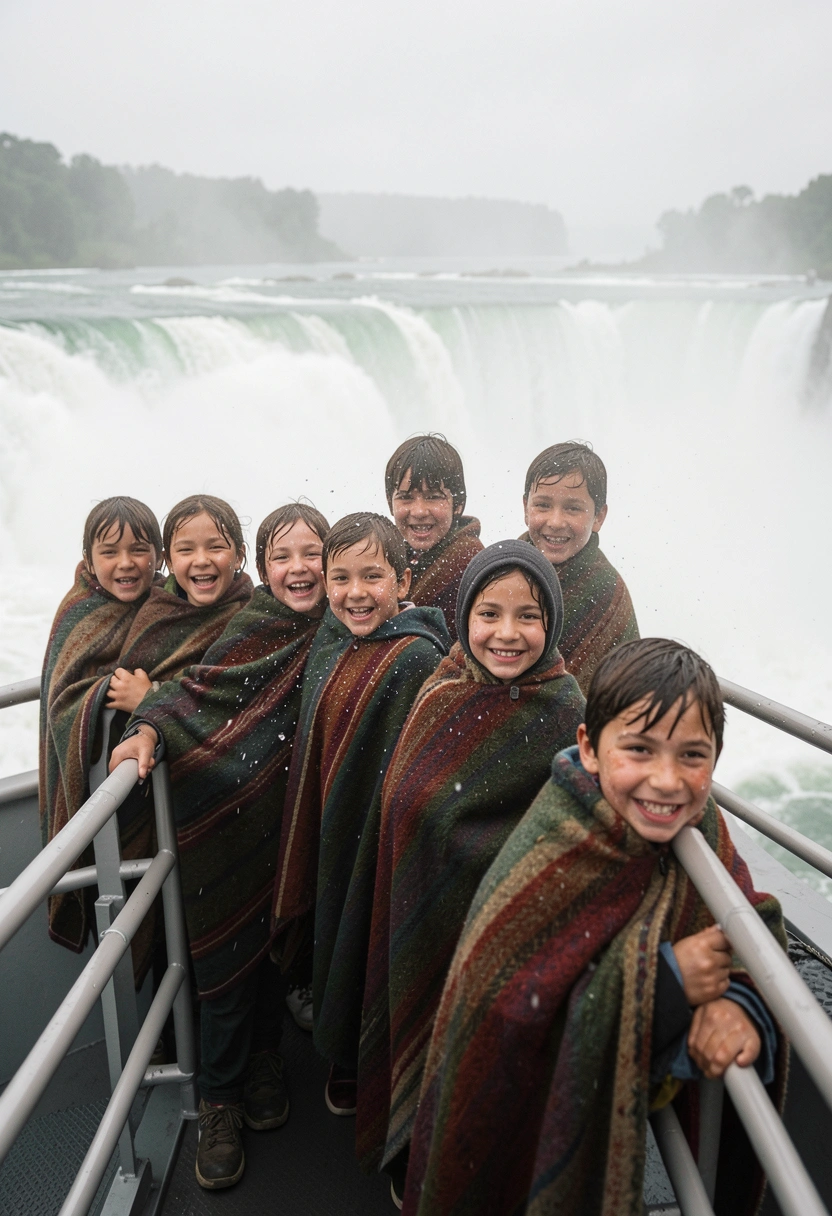
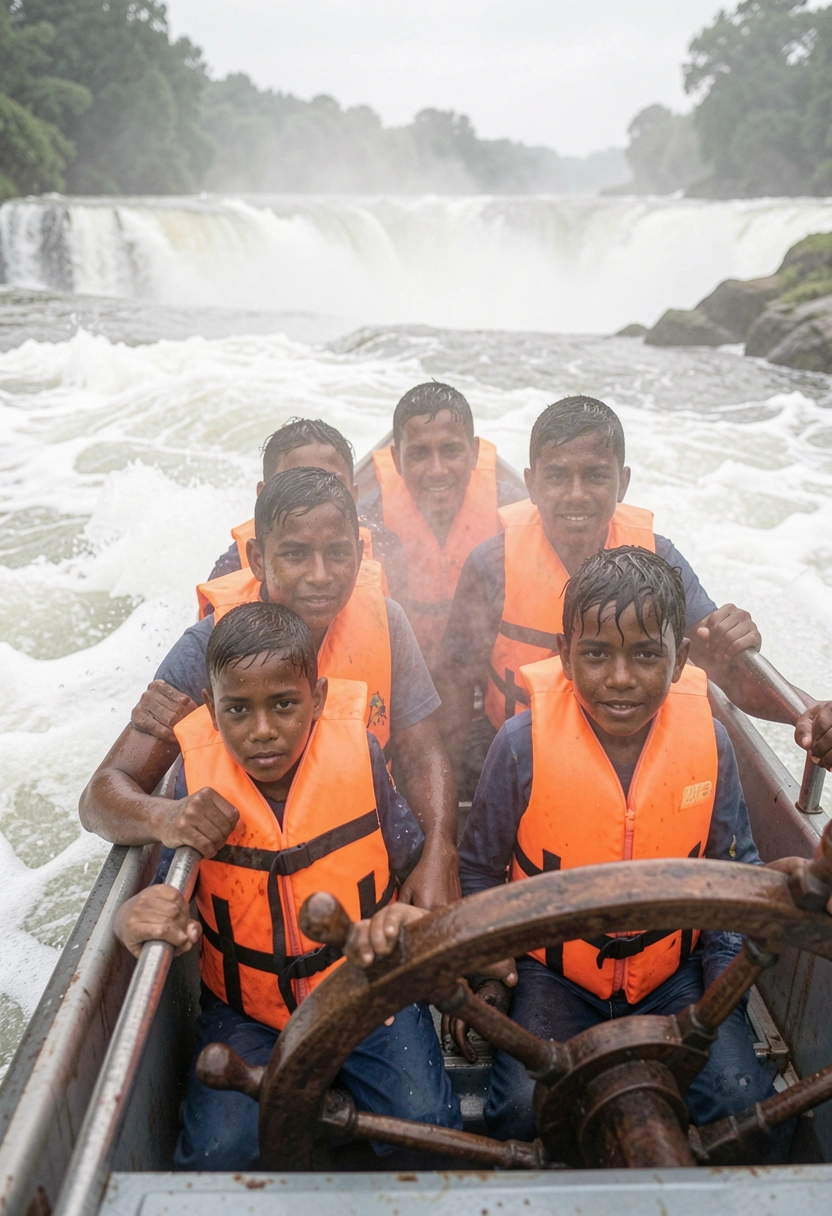
Niagara – Maid of the Mist boat soaked us in ponchos, falls thundering. Kids screamed delight, not fear.
Cave behind falls next – dark, cool tunnel. Felt adventurous.
Picnicked park-side, gulls circling. Budget win.
Tip: Canadian side for views if passports ready.
What You’ll Need for This Trip
Poncho pack, family disposable
Waterproof phone pouch, neck strap
Quick-dry travel pants, kids' elastic waist
Grip gloves, non-slip for boats
7. Grand Canyon Rim Trails with Mule Rides Option
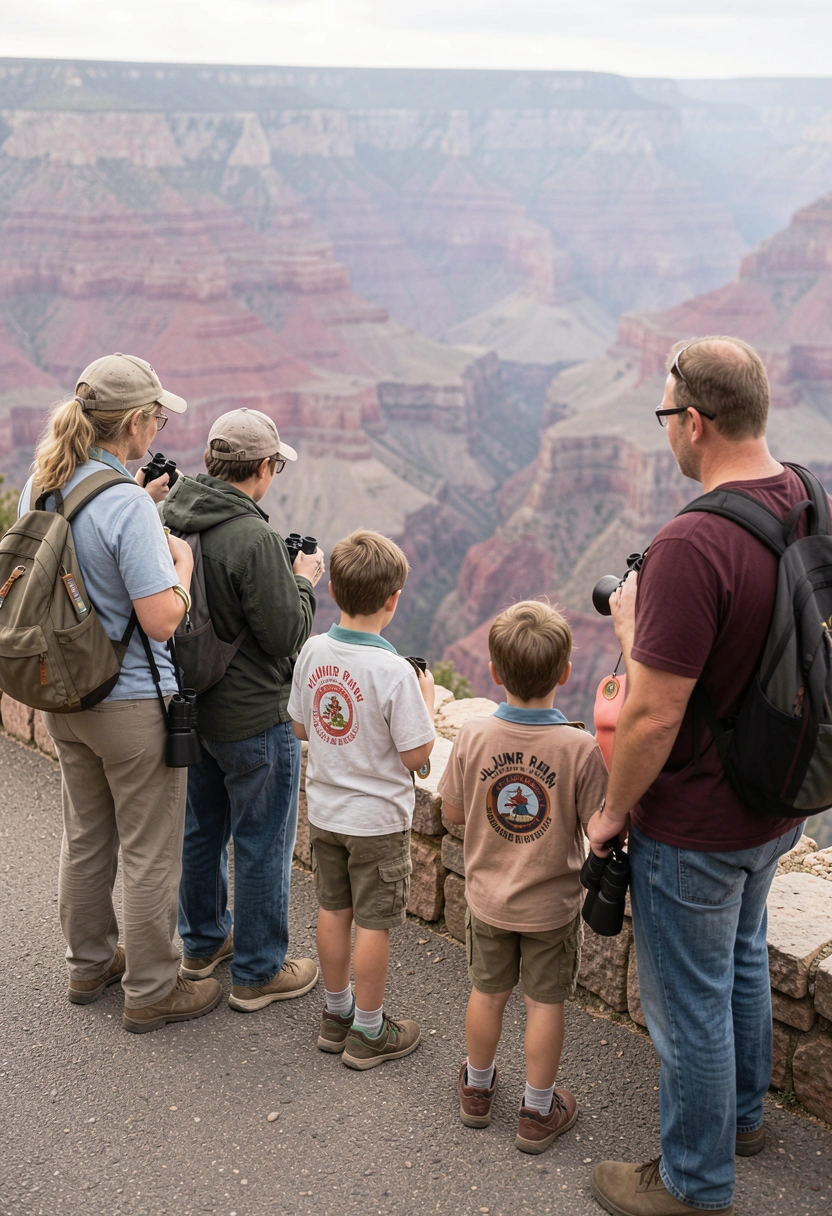
Grand Canyon south rim – short rim walks, views endless. Kids earned ranger badges at visitor center.
Overpacked water first hike, sloshed all day. Refilled stations after.
Sunset point packed magic. Mules brayed nearby.
Shuttle buses free, no car stress.
What You’ll Need for This Trip
Junior ranger activity journal
Binoculars harness, adjustable family
Collapsible hiking poles, kids' short
UV buff neck gaiters, multi-color
8. Myrtle Beach Boardwalk Rides at Dusk
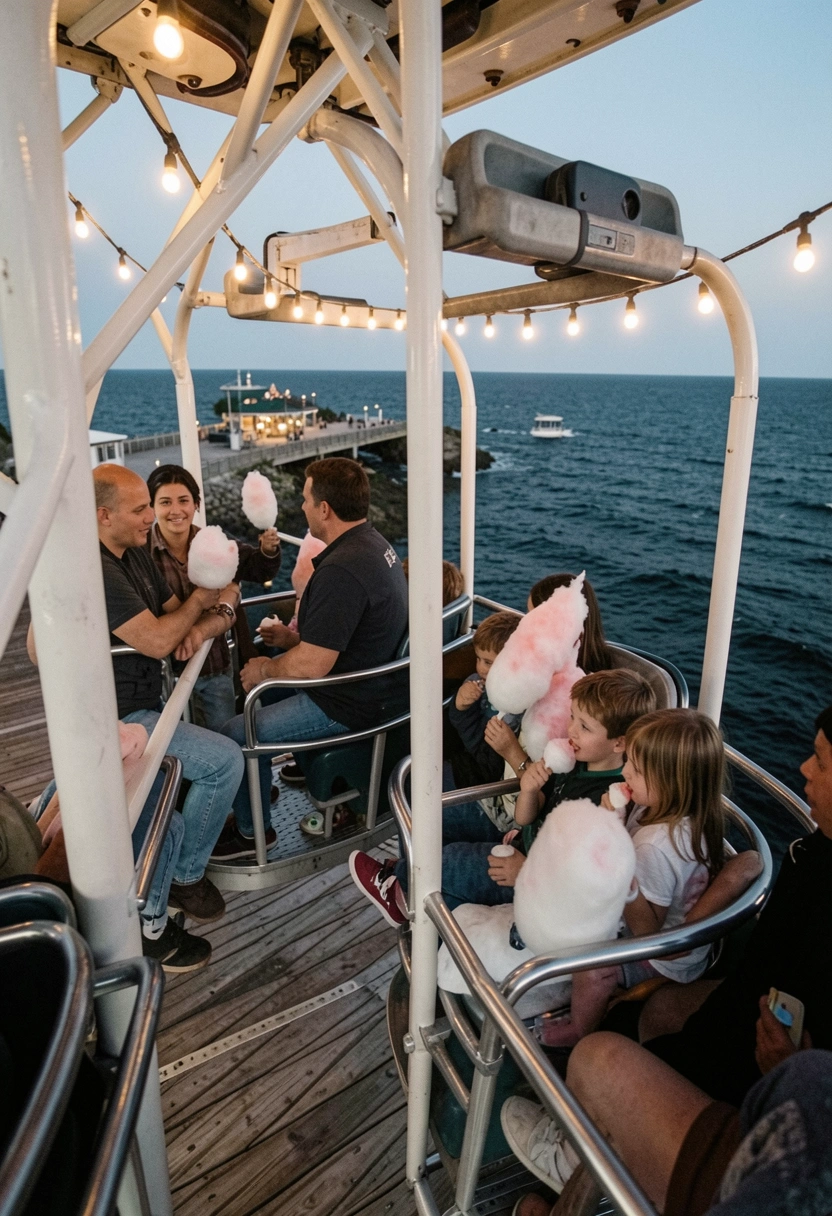
Myrtle Beach – boardwalk evenings, rides glowed. Kids rode coasters cheap, no lines.
Day beachcombing, shells piled high.
Forgot bug spray once, itched night. Packed after.
Oceanfront condo, waves lullaby.
What You’ll Need for This Trip
Bug spray wipes, DEET-free kids
Beach read books, waterproof case
LED headlamps for night walks
Collapsible beach chairs, tandem
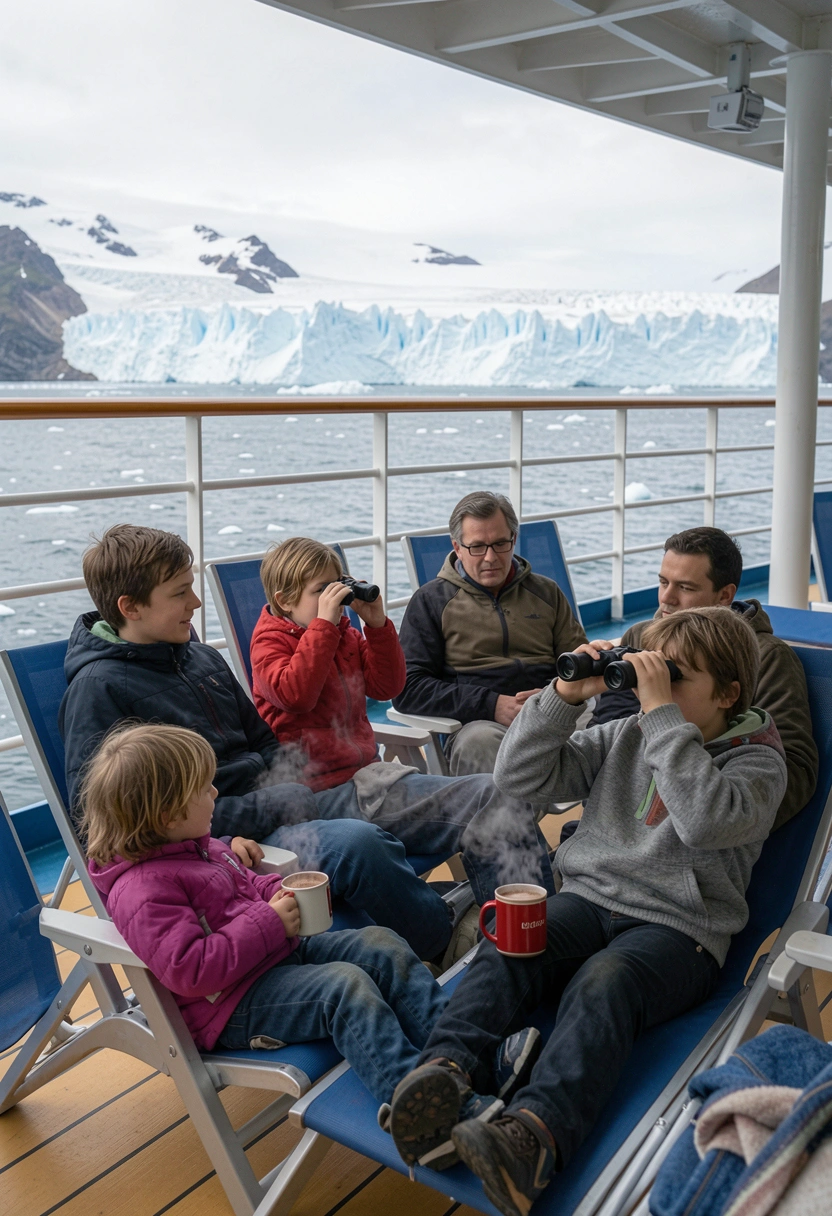
9. Alaska Cruise Glacier Views from Deck Chairs
Alaska cruise – sat deckside, glaciers cracked loud. Kids spotted whales breaching.
All-inclusive meals fit picky eaters. No cooking.
Cabin small, but balcony ours.
Shore excursions short, easy.
What You’ll Need for This Trip
Motion sickness wristbands, kids' sizes
Travel binoculars, compact fogproof
Layered fleece jackets, packable
Insulated travel mug set
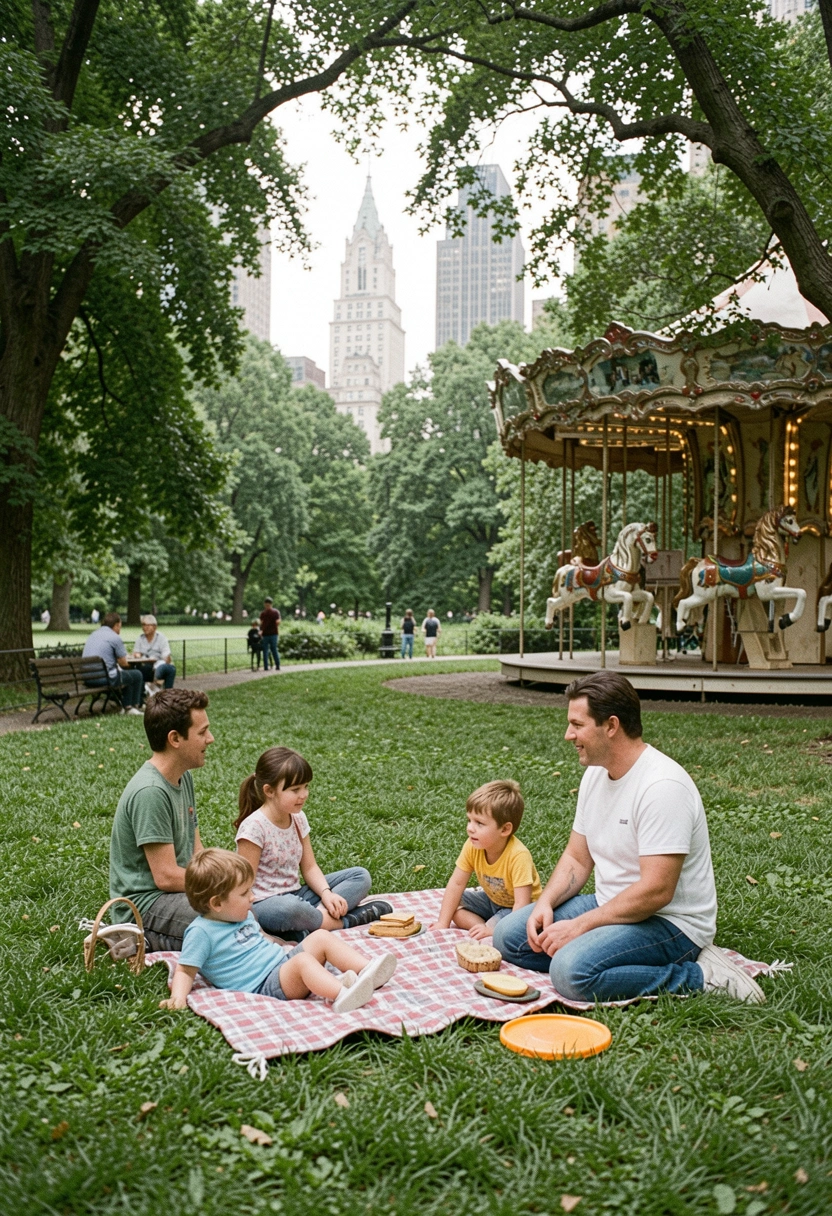
10. New York Central Park Picnics and Carousel Rides
NYC Central Park – rented bikes, hit carousel. Kids laughed on painted horses.
Subway hops to museums quick.
Picnicked strawberries from cart.
Crowds? Park paths wide.
What You’ll Need for This Trip
City backpack, anti-theft slash-proof
Reusable picnic utensils set
Comfortable city sneakers, wide toe
Subway map app download cable
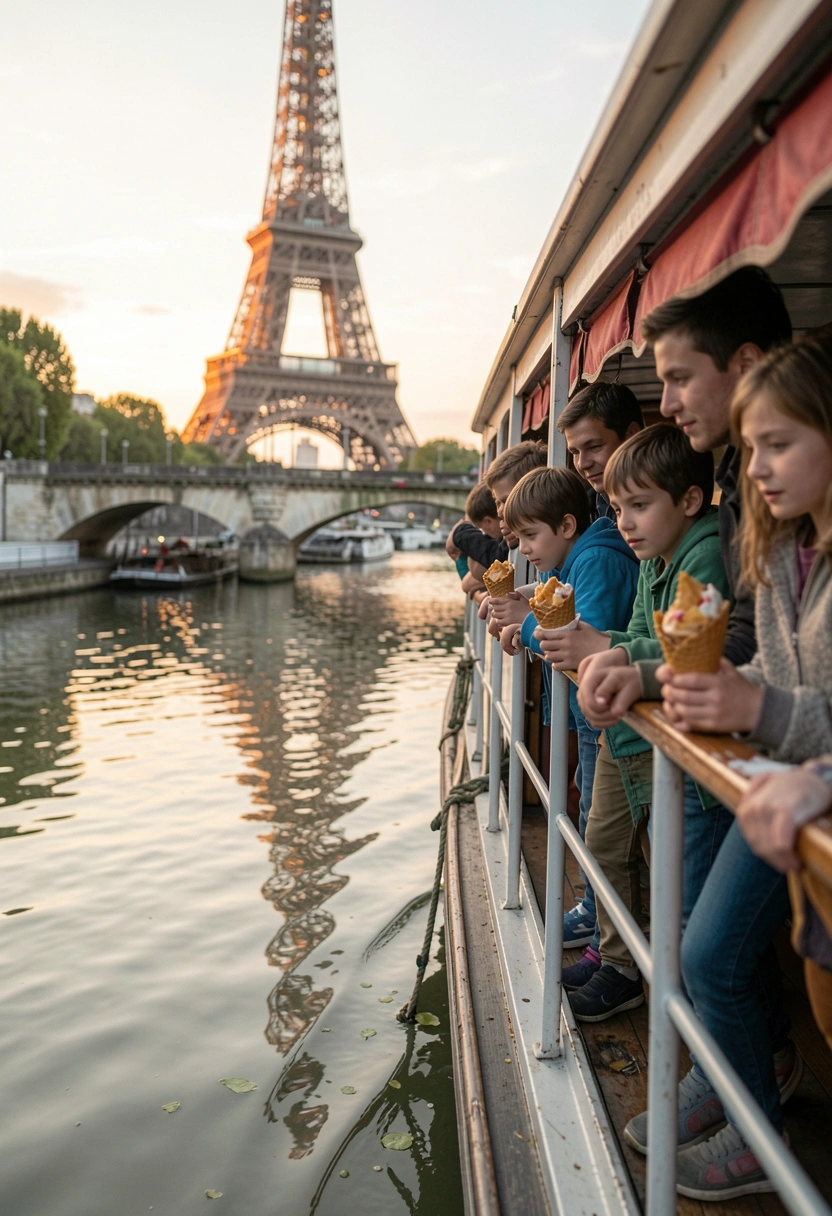
11. Paris Seine River Cruises with Park Playtime
Paris – evening Seine cruise, towers lit soft. Kids waved at passersby.
Luxembourg Gardens swings next day, free.
Picnic baguettes cheap.
Metro easy with kids.
What You’ll Need for This Trip
Travel neck pillow, inflatable family
Compact umbrella stroller
Multi-plug adapter Europe
Reusable water bottle with filter
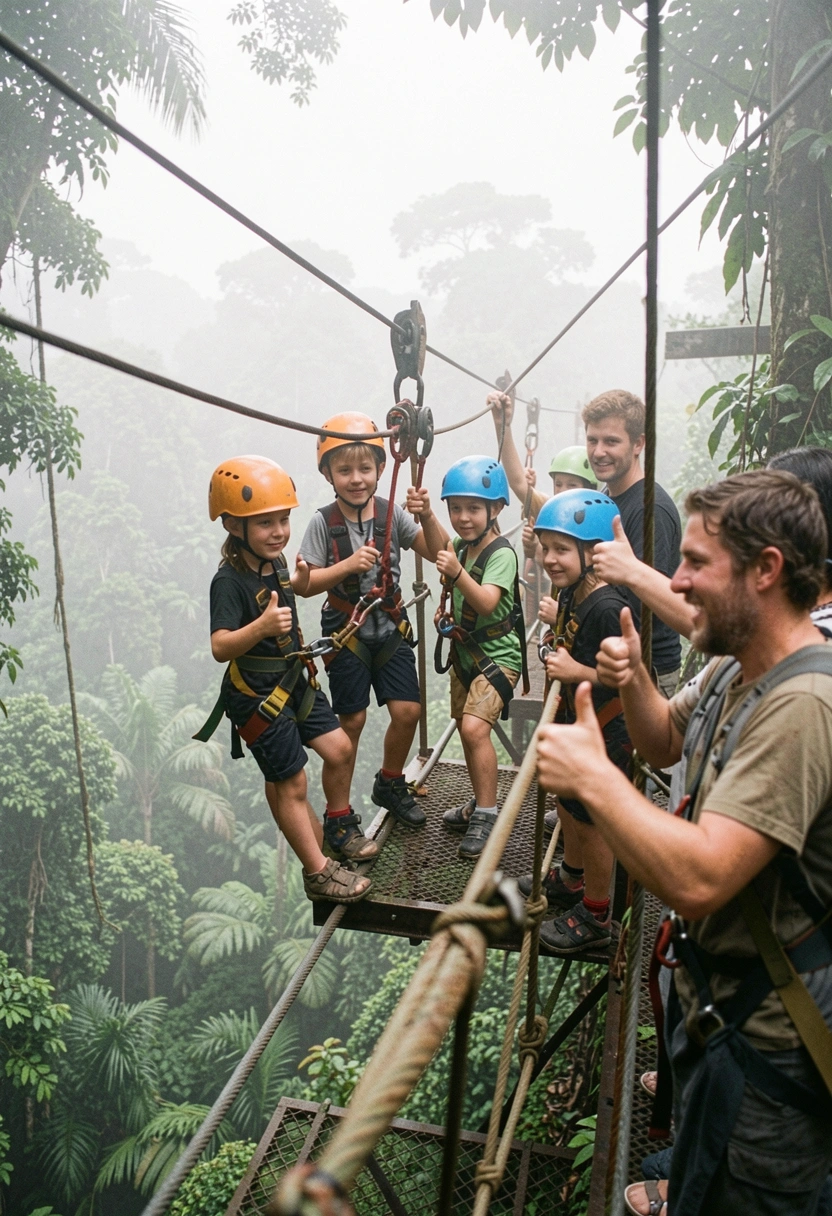
12. Costa Rica Ziplines Over Jungle Canopy
Costa Rica – short ziplines for families, jungle rush below. Kids beamed post-ride.
Resort pools calm after.
Forgot rain ponchos, got soaked. Bought cheap ones.
Sloths spotted easy.
What You’ll Need for This Trip
Zipline gloves, padded palms
Rain poncho suits, kids' sizes
Tropical insect repellent wipes
Quick-dry adventure shorts
13. Banff Lake Canoe Paddles and Hot Springs Soak
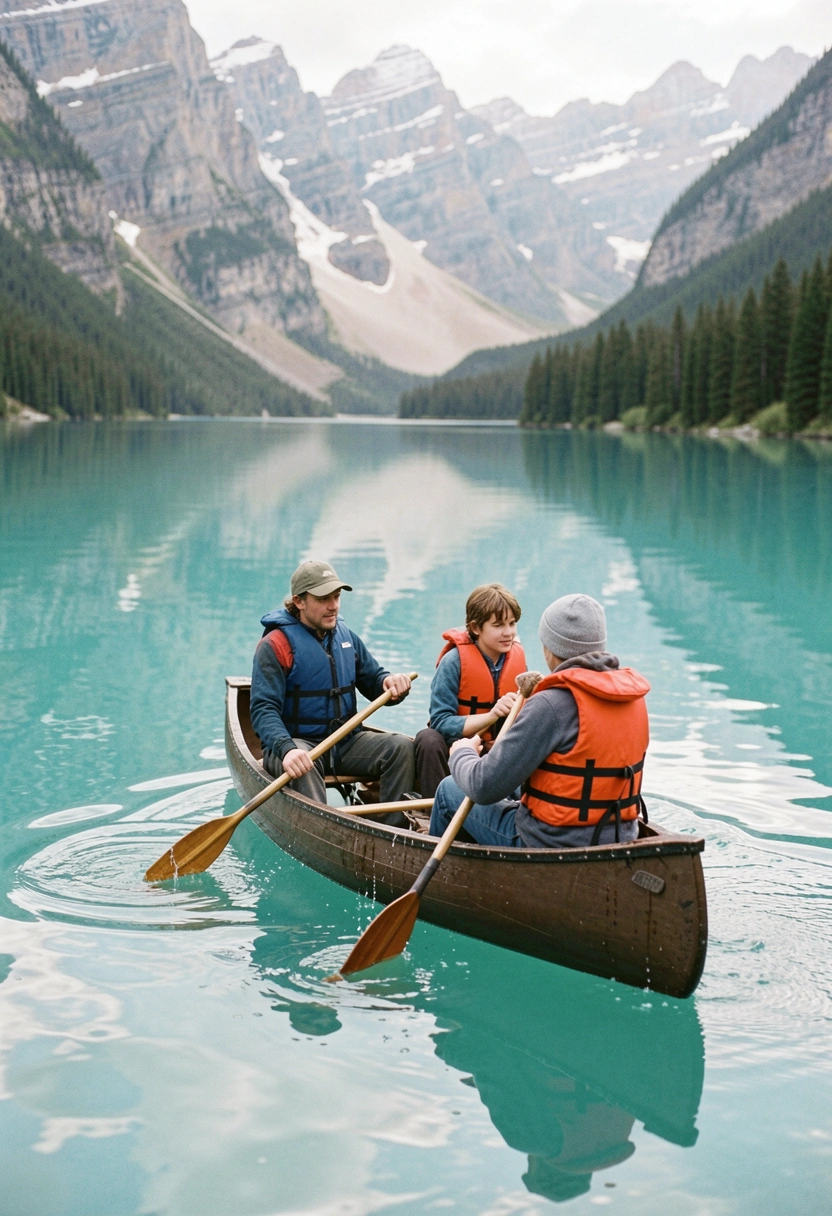
Banff – rented canoes on Lake Louise, water glass-clear. Kids paddled front.
Hot springs bubbled natural.
Layers peeled as sun warmed.
Easy trails connected.
What You’ll Need for This Trip
Life vest for kids, adjustable
Canoe seat cushions, inflatable
Thermal base layers, merino wool
Towel clips for drying
14. Tokyo Disneyland Fireworks from Hotel Balcony
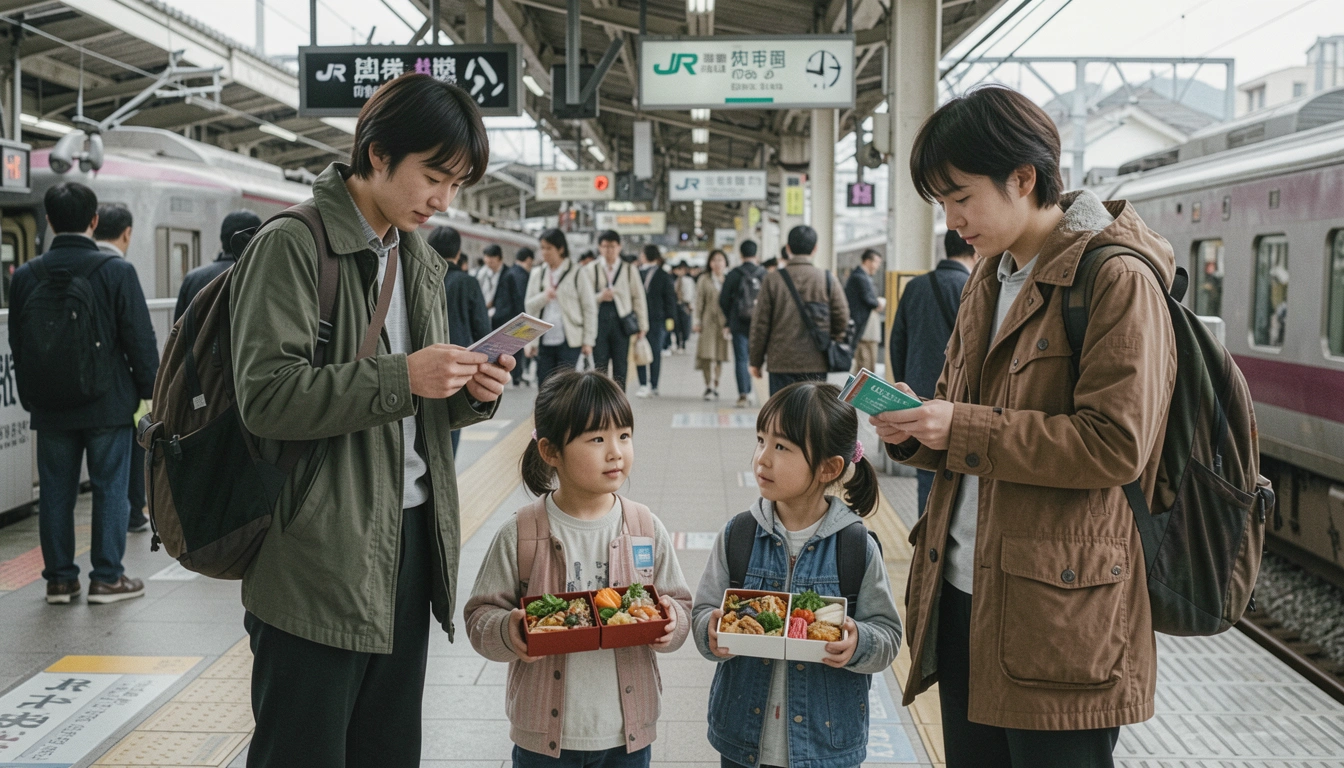
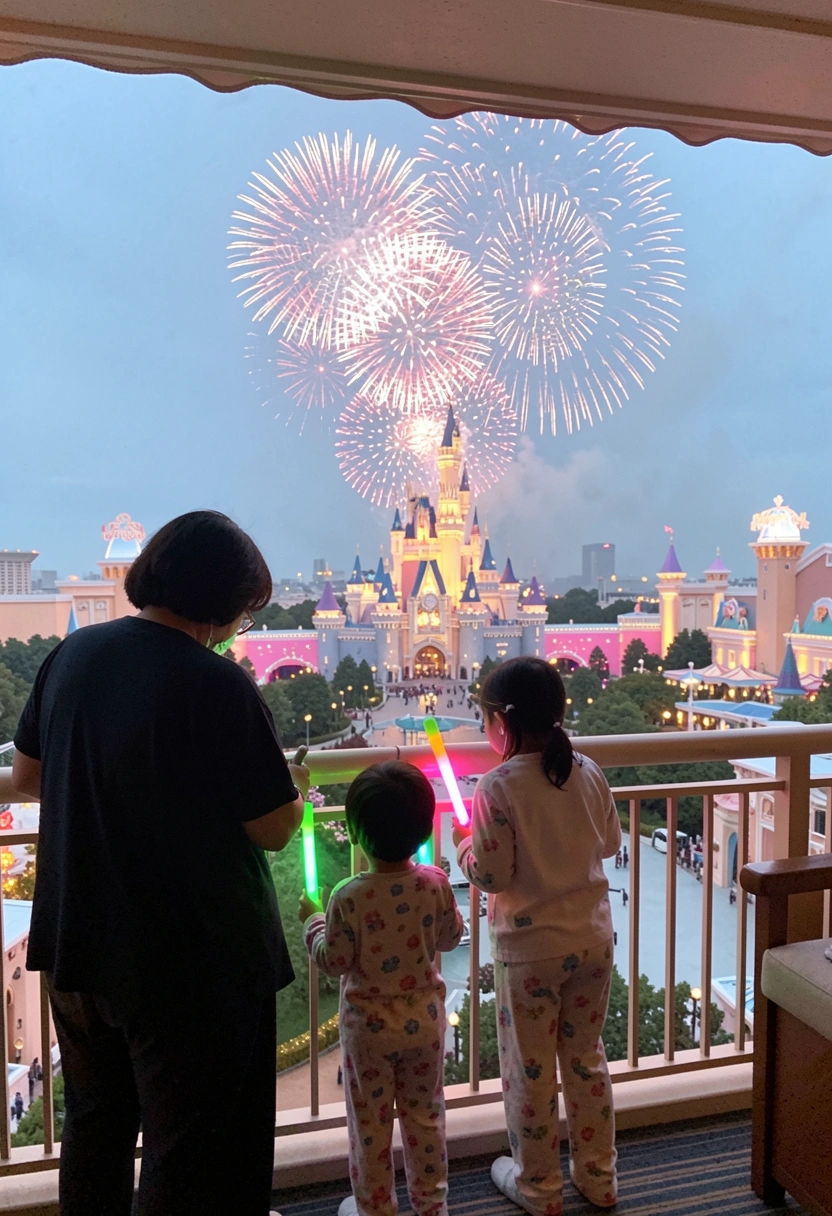
Tokyo Disneyland – stayed nearby, watched fireworks free. Crowds skipped.
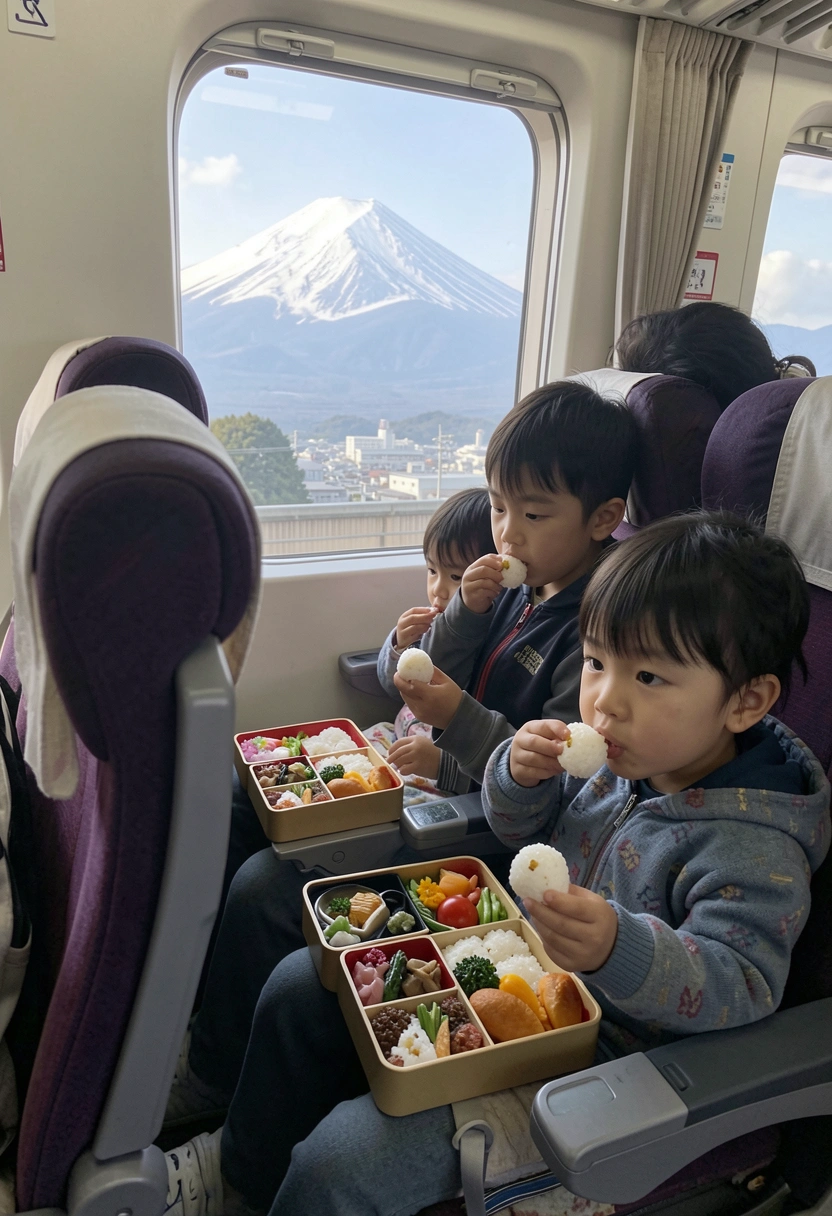
Trains spotless, kids loved.
Bento boxes fun lunches.
Efficient, calm.
What You’ll Need for This Trip
Universal travel adapter Japan
Disposable bento containers
Lightweight slippers for hotel
Earplugs for train rides
15. Great Smoky Mountains Cabin Fire Pits
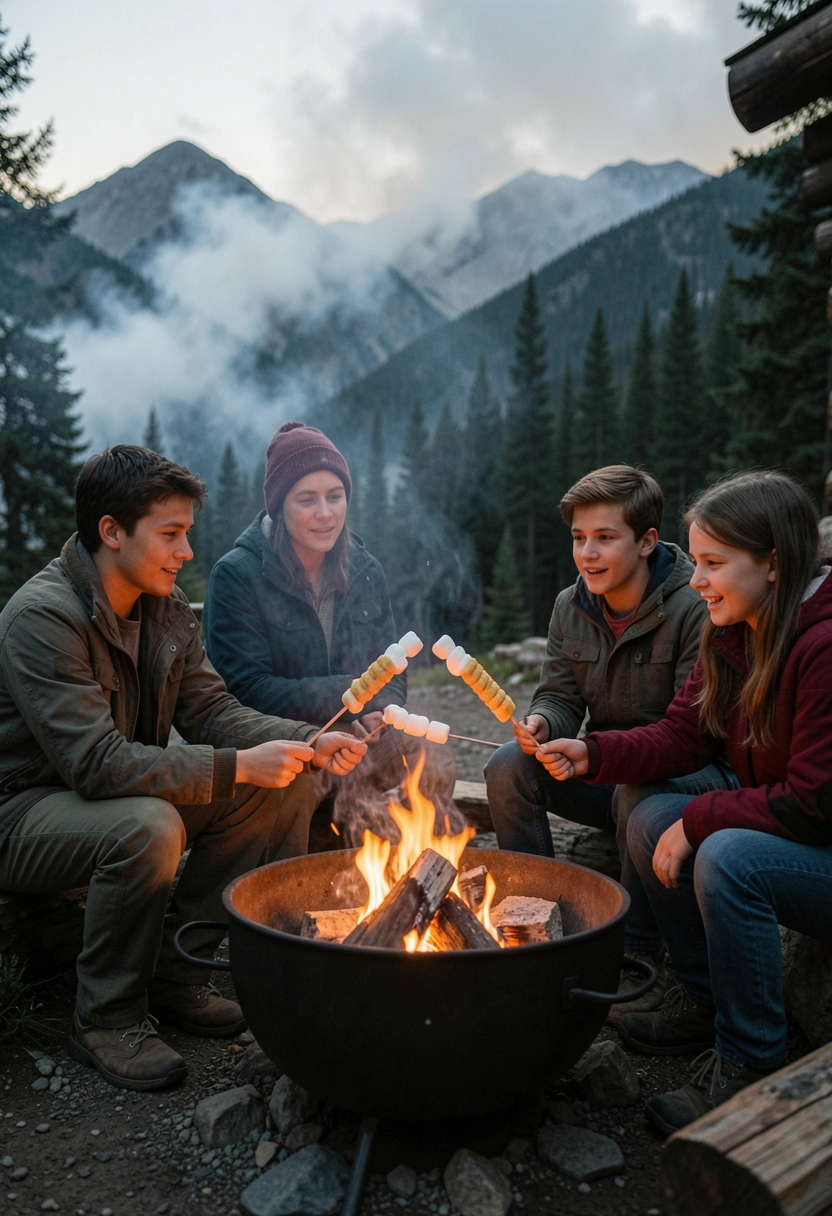
Smokies – cabin with fire pit, s'mores nightly. Hikes short, bears signs fun.
Tubing river gentle.
Forgot fire starters, used dryer lint.
Stars bright no light.
What You’ll Need for This Trip
S'mores kit accessories
Roasting sticks, telescoping
River tube straps, safety
Headlamp lantern combo
16. Outer Banks Lighthouse Climbs and Dune Buggy Tours
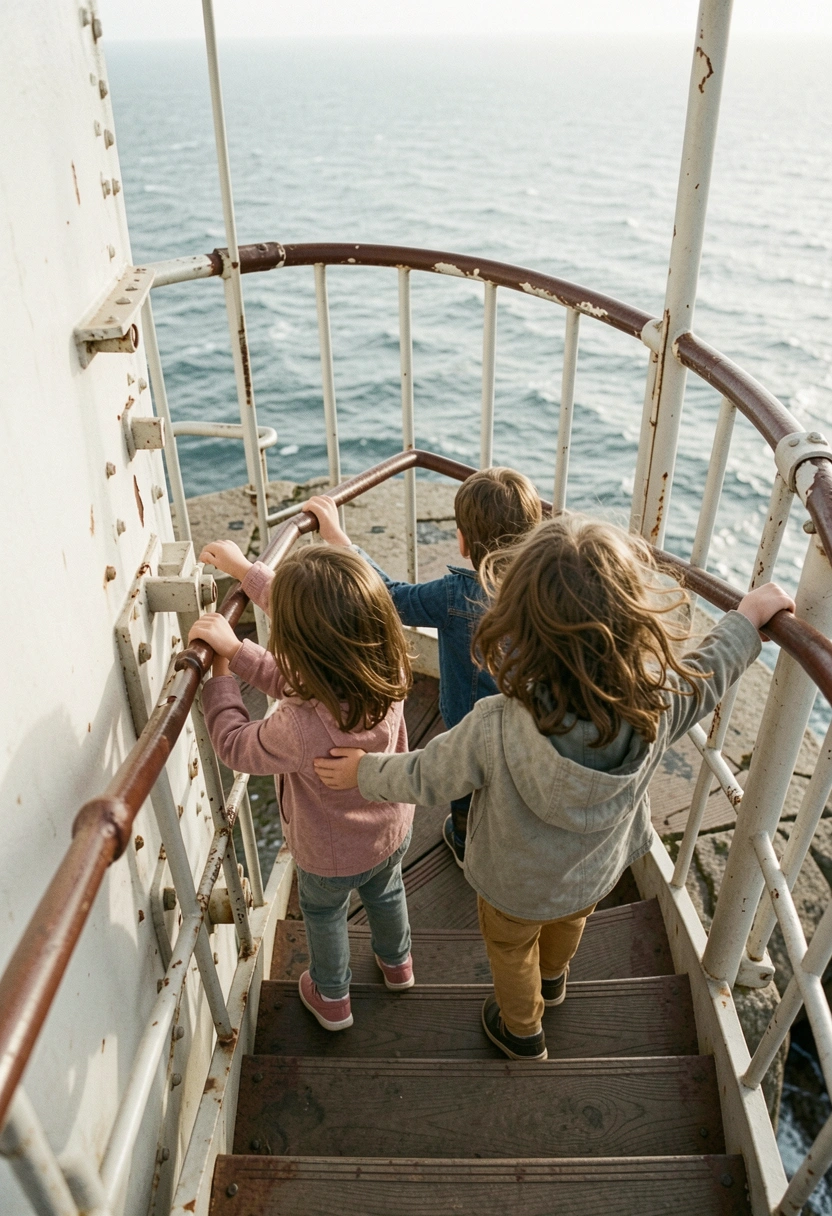
Outer Banks – climbed Cape Hatteras lighthouse, views endless. Dune rides bounced fun.
Kites on beach wind.
Sand stuck everywhere.
History alive, Wright brothers.
What You’ll Need for This Trip
Kite set for beach wind
Sunglass straps, floatable
Dune sand remover brush
Windbreaker jackets light
17. Dollywood Splash Country Lazy River Loops
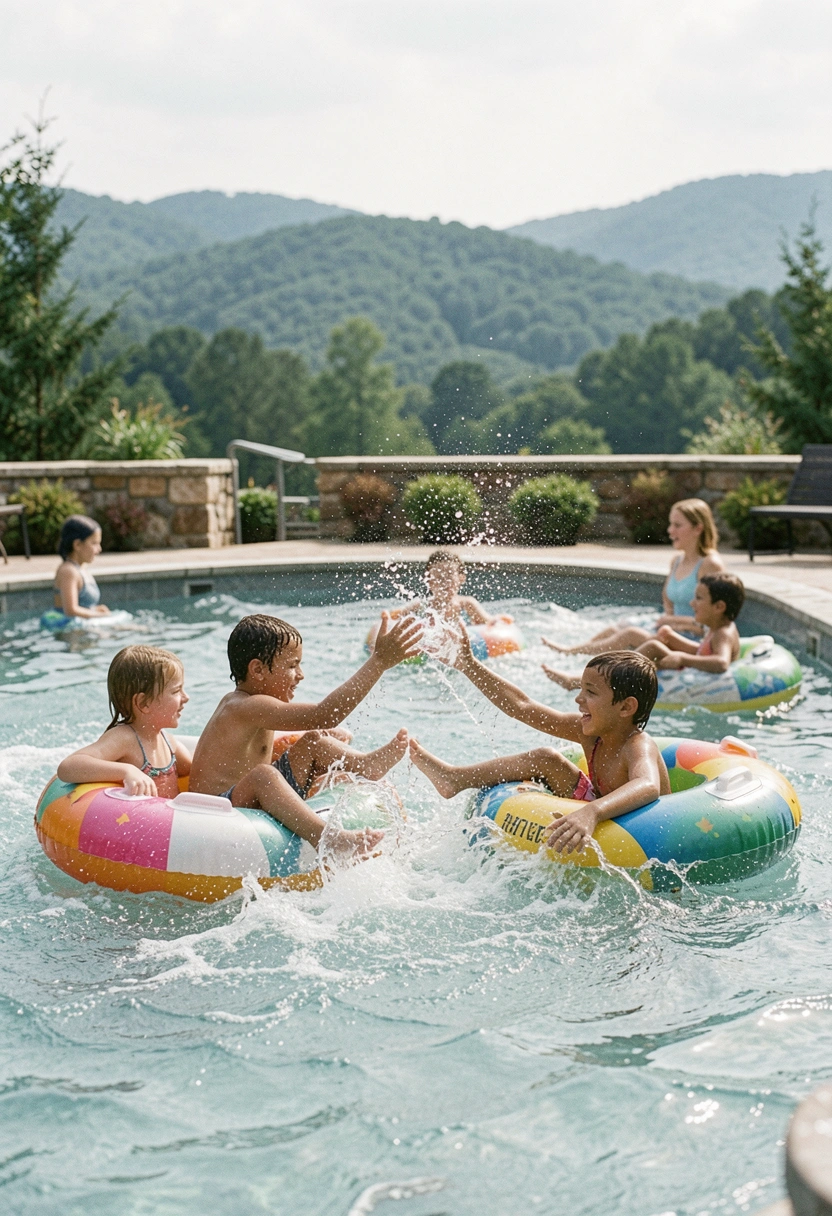
Dollywood – lazy river cooled hot days. Shows folk music charmed.
Cabin nearby quiet.
Lines short midweek.
Bluegrass breakfast hit.
What You’ll Need for This Trip
Inner tubes with handles
Water shoes non-slip
Dry bag floating
Hat clips secure
18. Lake Tahoe Kayak Rentals and Beach Bonfires
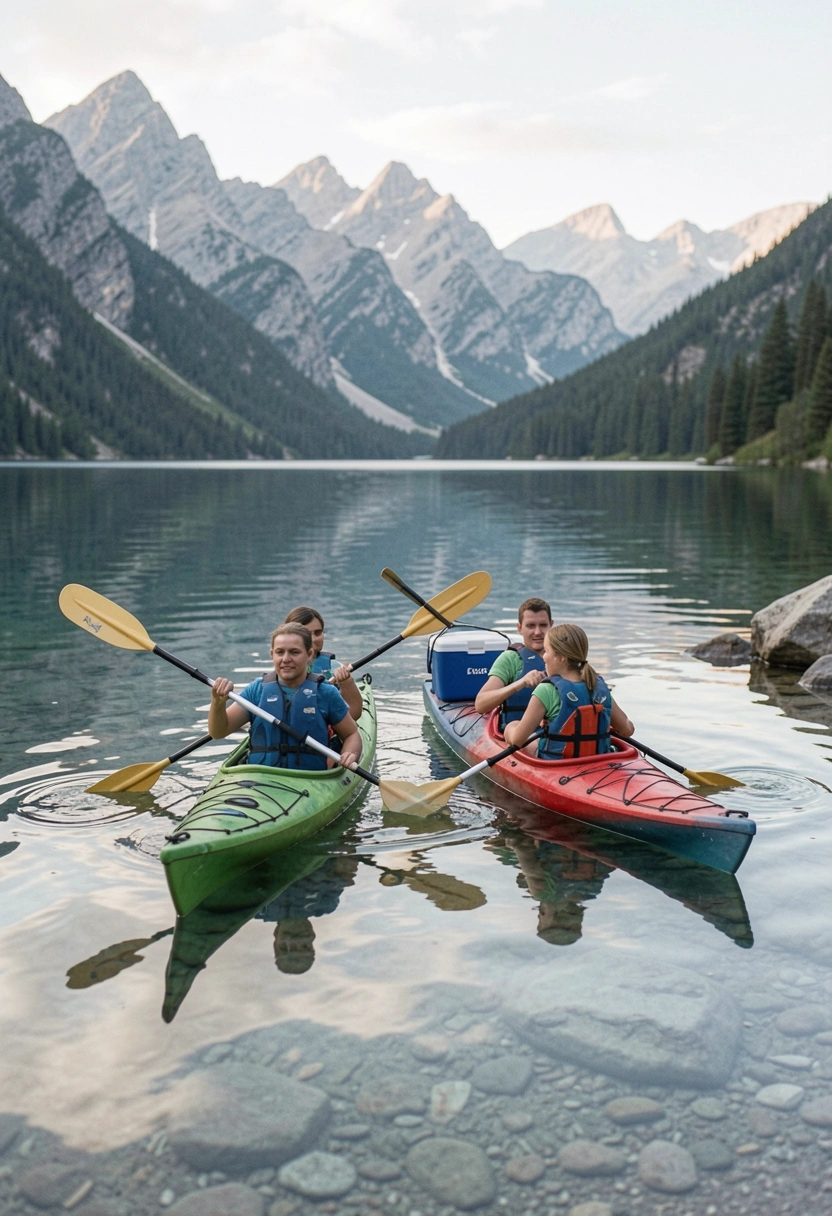
Tahoe – kayaked calm mornings, beaches empty. Bonfires permitted spots.
Smoke from fire cozy.
Altitude tired us first day.
Emerald Bay hike short wow.
What You’ll Need for This Trip
Tandem kayak spray skirts
Kayak roof rack pads
Portable fire pit screen
Altitude sickness gum mint
19. Savannah Riverfront Strolls and Trolley Tours
Savannah – trolley hopped squares easy. Riverfront candy stretched.
Ice cream breaks paced.
Humidity snuck up.
Ghost walk kid version fun.
What You’ll Need for This Trip
Trolley audio guide headphones
Humidity moisture wicking shirts
Portable fan handheld
Square map foldable
20. Charleston Battery Walks with Carriage Rides
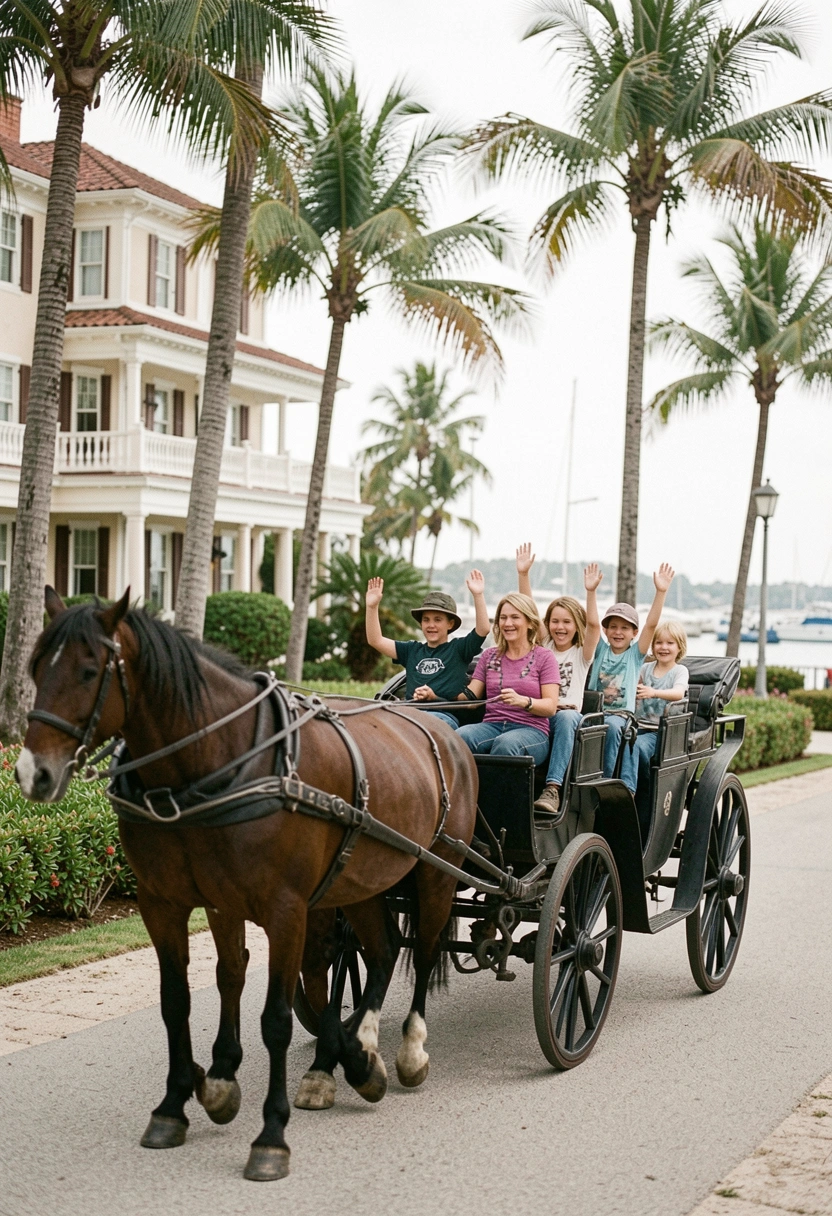
Charleston – carriage toured Battery, history breathed. Walks shaded oaks.
Shrimp boils fresh.
Overwalked first day, blistered.
Markets pralines sweet.
What You’ll Need for This Trip
Blister prevention socks cushioned
Carriage seat cushions
Seafood cooler bag
Oak leaf fan paper
21. Boston Freedom Trail Follows with Duck Tours
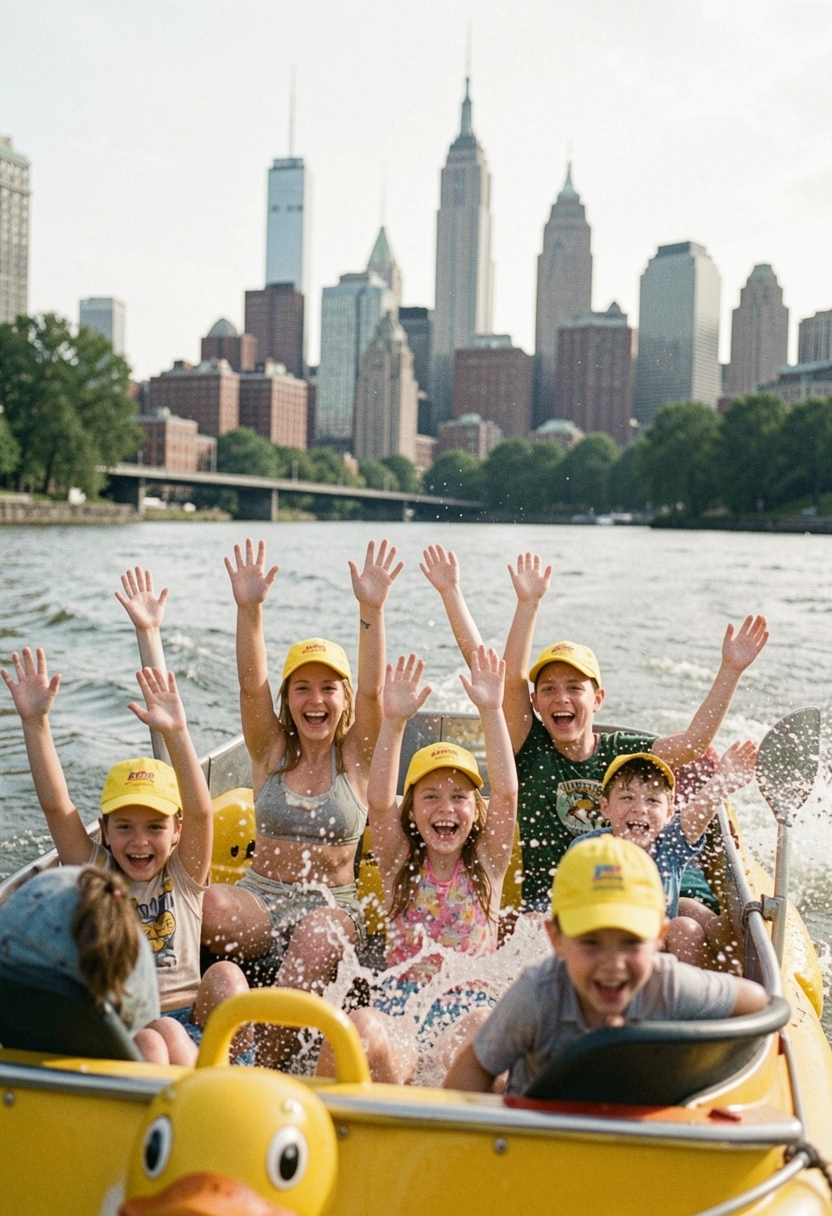
Boston – Freedom Trail bricks guided, stops interactive. Duck boat splashed laughs.
Clam chowder bread bowls.
Hill walks tough kids.
Harbor seals bonus.
What You’ll Need for This Trip
Duck tour ponchos
Bread bowl carriers insulated
Trail marker stickers kids
Knee pads walking
22. Seattle Pike Place Fish Toss Watches and Ferry Rides
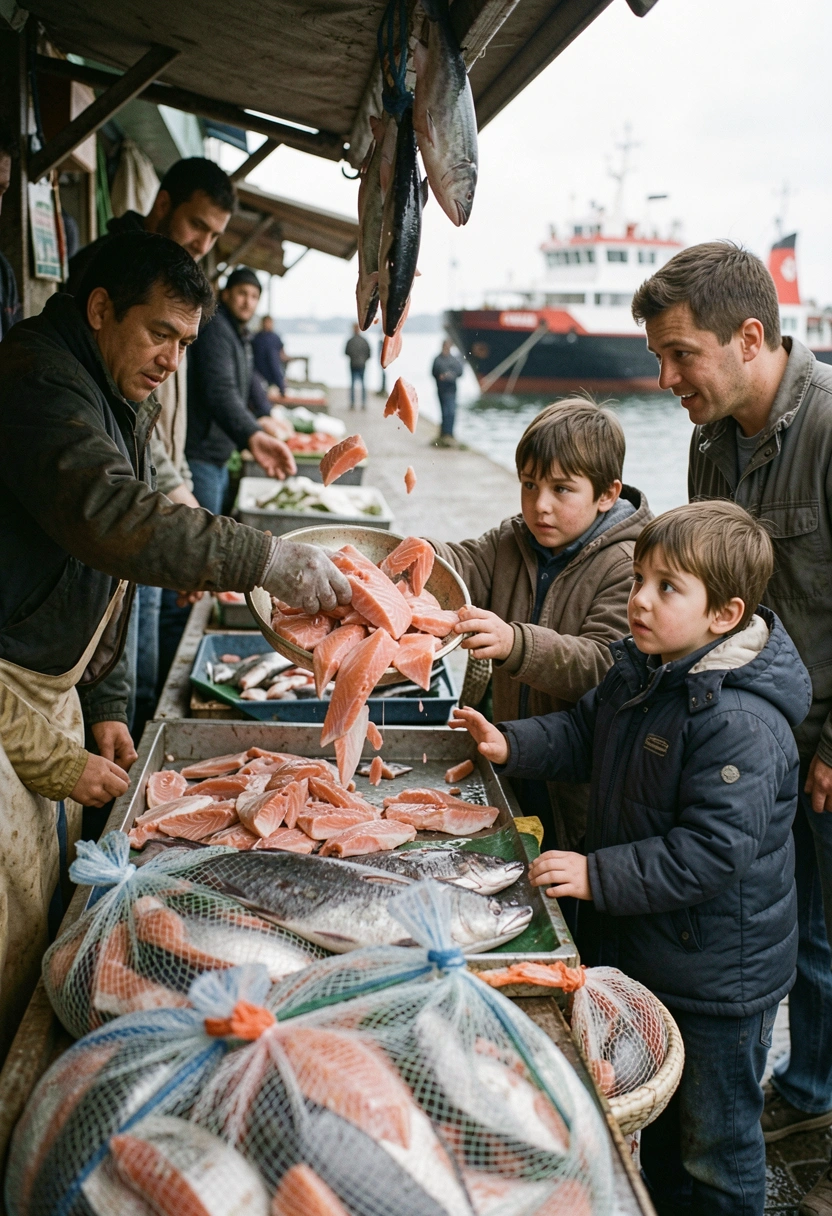
Seattle – Pike Place tosses flew overhead, kids clapped. Ferry to islands calm.
Rain jackets handy.
Space Needle quick.
Coffee small for kids.
What You’ll Need for This Trip
Ferry motion bands
Rain shell jackets packable
Market tote mesh
Disposable camera fun
23. Phoenix Resort Pools with Desert Hikes
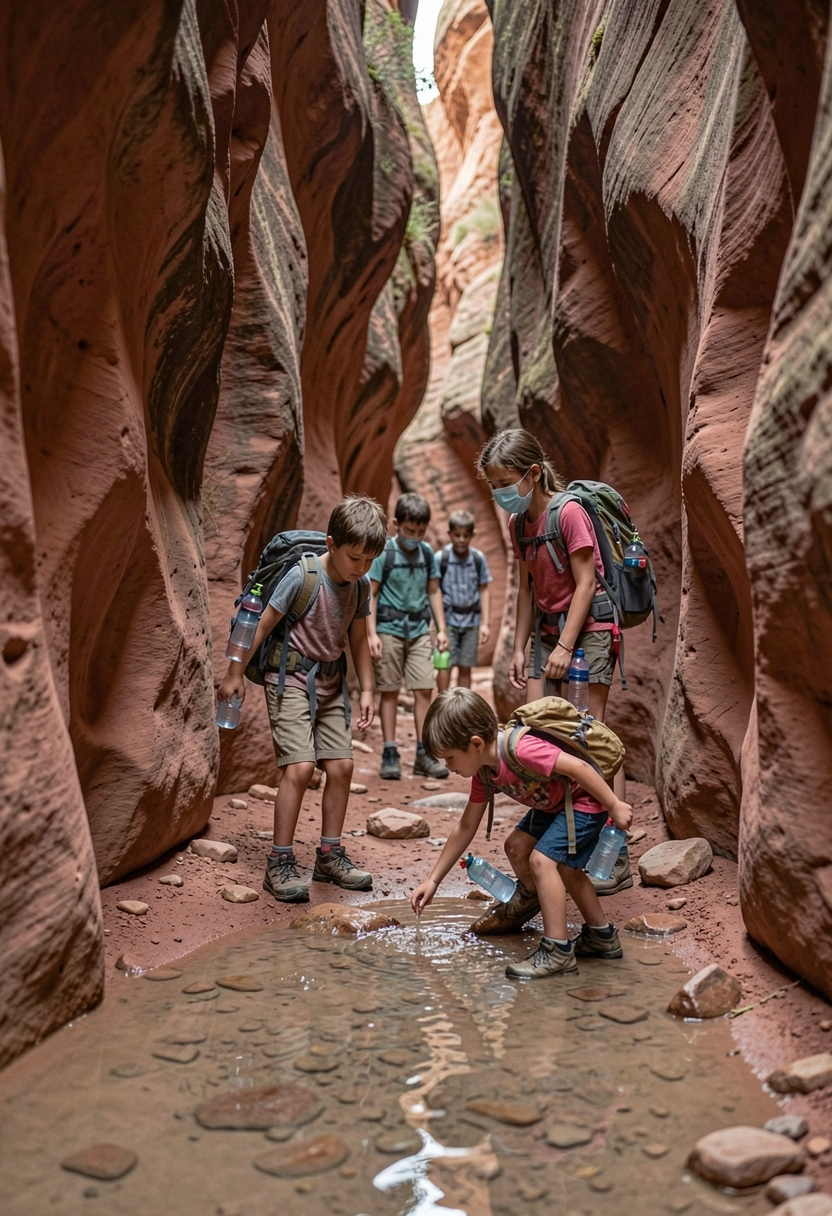
Phoenix – resort pools infinity edge. Hikes slot canyons shaded.
Heat peaked noon, pools saved.
Cactus gardens paths easy.
Sunset saguaro silhouettes.
What You’ll Need for This Trip
Pool noodles safety grip
Desert hat floppy wide
Cactus needle pliers
Electrolyte packets water
24. Reykjavik Blue Lagoon Floats and Golden Circle Drives
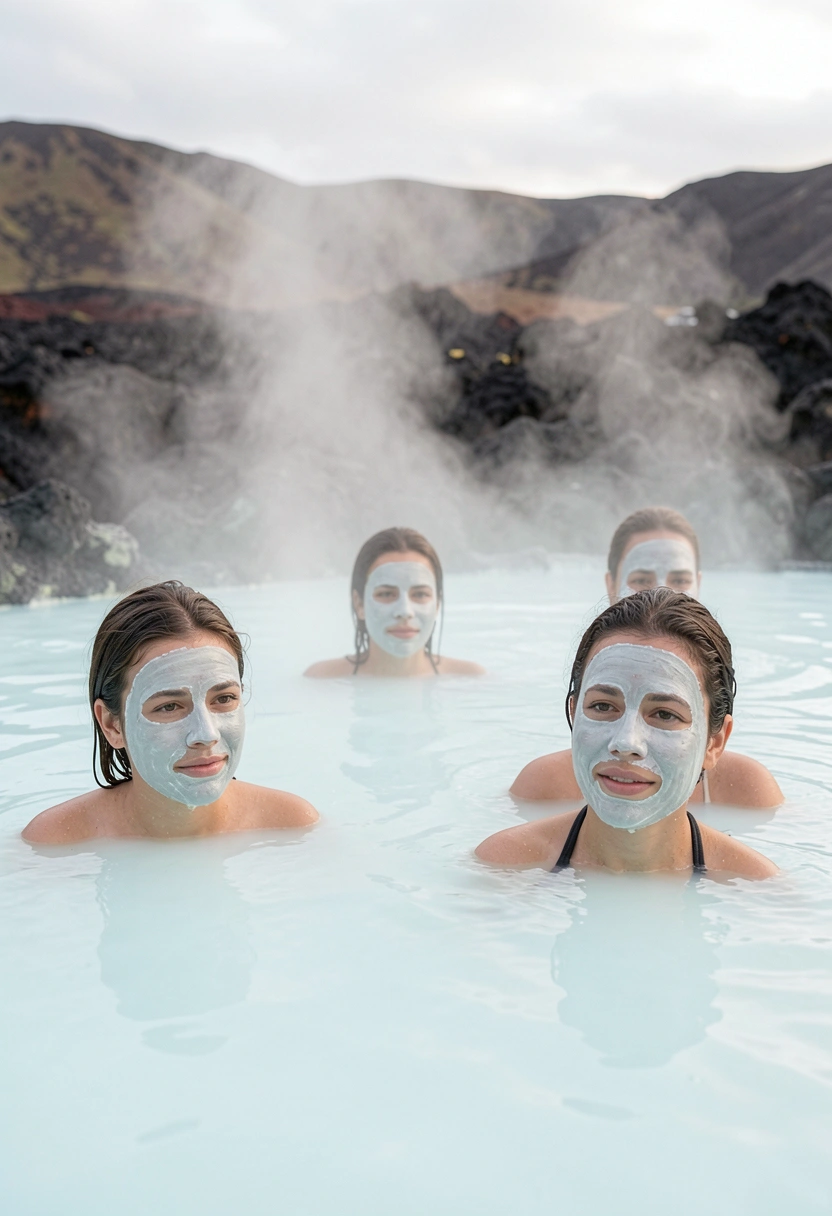
Reykjavik – Blue Lagoon floated weightless. Golden Circle geysers erupted.
Geothermal smells eggy.
Layers for wind.
Elf stories campfire.
What You’ll Need for This Trip
Silica mask rinse kit
Thermal socks wool
Car rental GPS holder
Windproof gloves touch screen
25. Cancun All-Inclusive Snorkel Boats and Cenote Swims
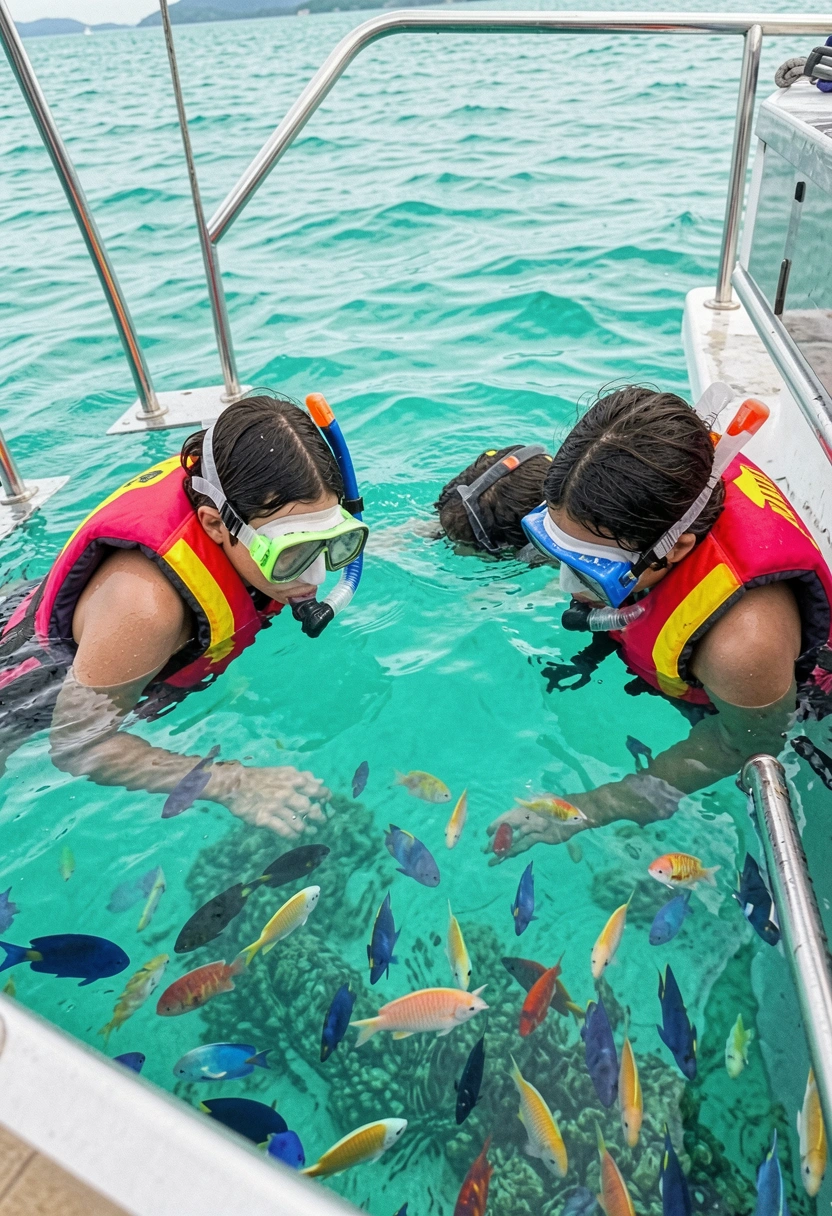
Cancun – resort unlimited food, snorkel trips daily. Cenotes fresh swim.
Resort kids club freed parents.
Forgot reef shoes, rocky.
Tacos endless.
What You’ll Need for This Trip
Reef walker shoes flexible
Snorkel vest inflatable
Cenote dry bag waterproof
Taco spice kit home
Final Thoughts
Pick one spot that fits your crew's energy. No need for all 25. I've seen families thrive on simple plans like these. Book the basics, leave room for spills and detours. You'll make memories that stick. Safe travels.