
I booked a honeymoon because the photos looked perfect. The hotel was a block from a nightclub. We spent two nights awake and argued about whether the beach was worth it.
Planning felt like guessing. I wanted a trip that fit us, not the internet.
This guide shows how to pick a place that actually suits your energy, budget, and timing.
How To Choose The Perfect Honeymoon Destination For Every Couple
This is the approach I use every time I want a trip to feel smoother without overplanning every second. You’ll learn how to match your personalities, energy, and budget to places that work in real life. The result is a honeymoon you can actually enjoy, not one that only looks good online.
What You’ll Need
- Passport (current, with at least six months validity)
- A clear list of both partners’ top three daily preferences (sleep, activity level, meal times)
- Budget spreadsheet or shared Google Sheet with rough categories
- Travel insurance note (policy type and contact details)
- Moleskine Classic Notebook for notes and quick ideas
- Anker PowerCore 10000 portable charger (lightweight backup)
- Eagle Creek Pack-It packing cubes, small set (keeps planning realistic when packing)
- Sony WF-1000XM4 noise-cancelling earbuds (useful for flights and noisy hotels)
Step 1: Pick the Version of This Trip You Can Actually Enjoy

I start by deciding which honeymoon style fits us. Is it lazy beach days, a mellow city with good restaurants, or a short active road trip? I list how a good day looks for both of us—wake time, activity level, and ideal evening. That gives honest criteria to compare places.
This changes the whole buying decision. Instead of chasing pretty photos, I pick places that match our daily rhythm. Insight many miss: the same destination can feel restful or exhausting depending on pace. Mistake to avoid: choosing a place for its image and ignoring how you’ll actually live there.
Step 2: Set a Real Budget and Where You’ll Spend It

I set a realistic total and break it into buckets: flights, accommodation, one splurge, food, and local transit. I pull at least one real airfare and two sample hotel prices before I commit. That way the budget reflects reality, not hopeful guessing.
Practically, this stops last-minute fights about money. Insight people miss: daily costs (coffee, taxis, tips) add up faster than a hotel upgrade. Small mistake to avoid: keeping a vague “misc” line. Name a contingency item and track it so you don’t run out of cash mid-trip.
Step 3: Build Around Transport Before You Book Anything Else
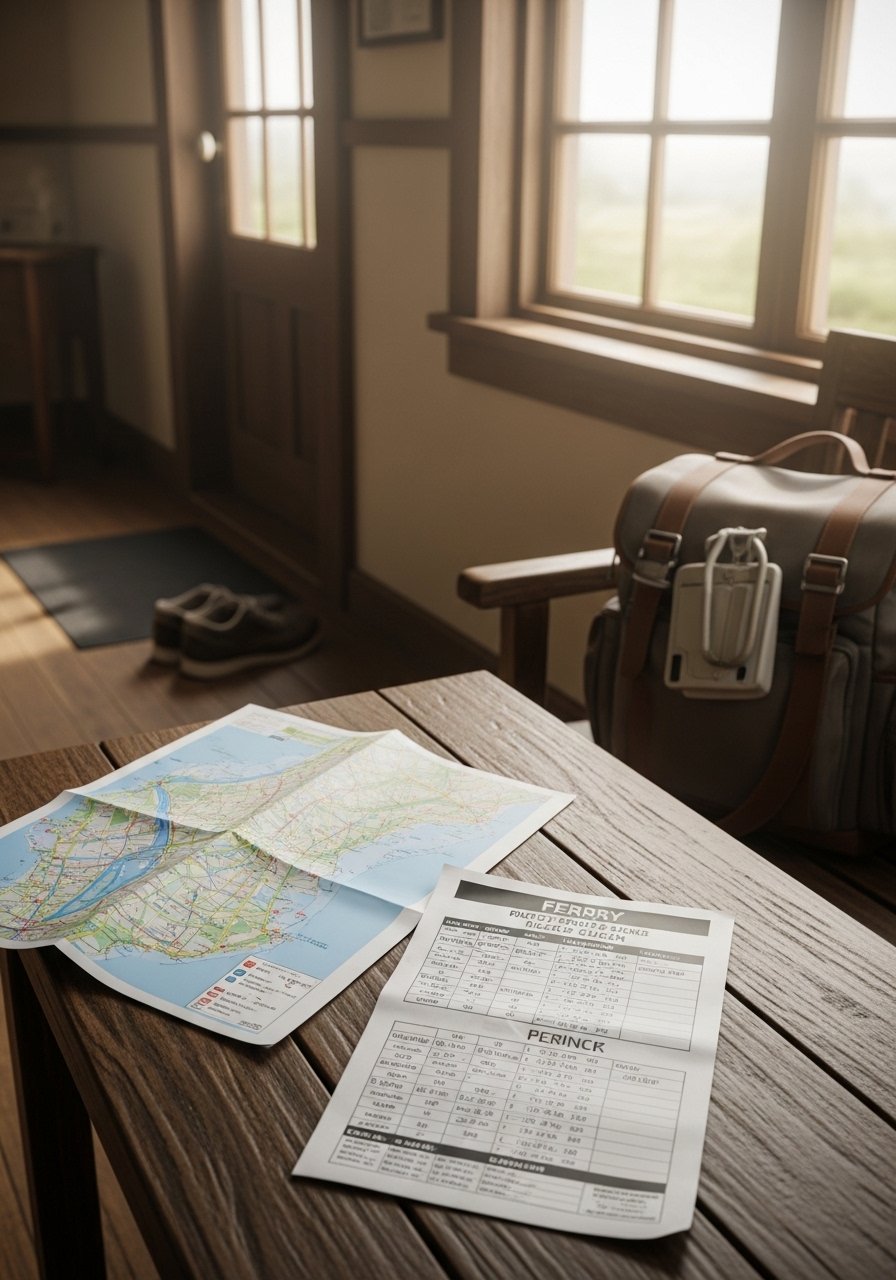
I plan transport and arrival times first. Flights, ferries, and drives decide whether certain towns are practical. I map door-to-door travel times so a “close” island doesn’t cost half a day in transfers.
This prevents honeymoon fatigue from too many transfers. Insight many miss: overnight travel can be efficient but eats into sleep—treat that like a paid activity. A small mistake I made once was booking a hotel without checking the arrival window; I paid for an extra night because our only flight landed at midnight.
Step 4: Match Accommodation Type to How You Want to Spend Your Days

I choose accommodation by how we plan to use our time. If we want quiet mornings, I pick a guesthouse with thick walls. If we’ll be out exploring, I prioritize location, laundry, and a decent kitchen over fancy décor.
You’ll reduce daily friction—less commuting, fewer food hunts. Insight many overlook: room layout matters as much as rating; a separate sitting area makes downtime nicer. Mistake to avoid: booking a “romantic suite” for photos and ignoring blackout curtains, plugs, or simple comforts you actually need.
Step 5: Schedule One Flexible Anchor Activity and Leave the Rest Open
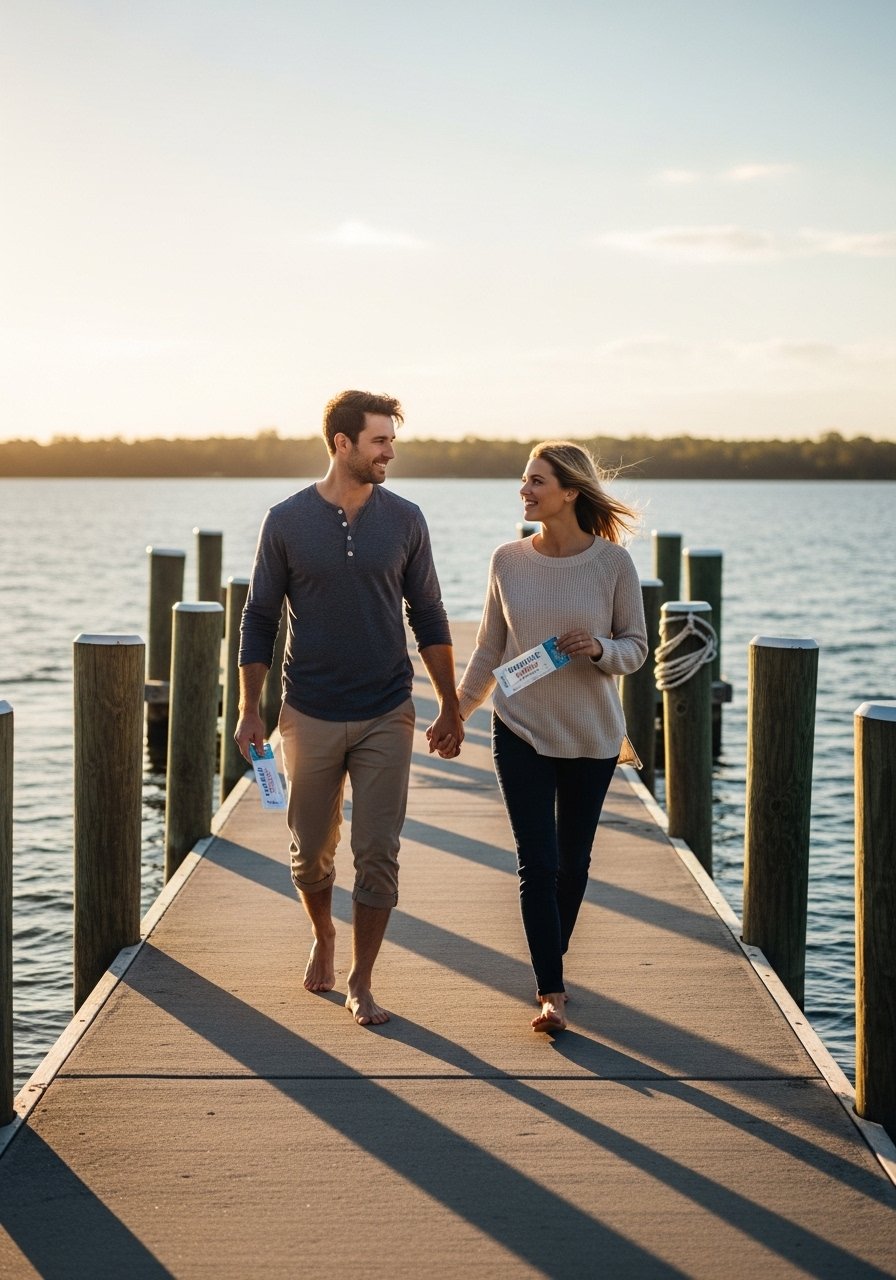
I pick one booked activity per day—a tasting, a short class, a hike—and leave the rest free. We reserve that anchor and let the rest of the day breathe. It gives structure without turning the honeymoon into a checklist.
This stops us from racing through sights and lets us enjoy quiet gaps. Many miss that anchors can be low-key; a long brunch counts. Small mistake: overbooking fixed activities—two set plans a day makes the day feel like a tour, not time together. I also leave one whole morning unscheduled to sleep late and pivot if tired.
How to Choose the Right Pace for This Kind of Trip
Start by imagining a single weekday there. What time would you wake? Where would you eat? How long would you want to be out? If either of you is drained by walking all day, a single museum day might feel like the whole trip.
A few quick rules:
- If you like late nights, plan later starts.
- If you prefer quiet, pick fewer towns and deeper stays.
- If both styles mix, split the trip into blocks (city, then beach).
Pacing decides whether the honeymoon feels restful or rushed. Be honest about low-energy hours.
What to Book Early and What Can Wait
Book what blocks out quickly or affects price: flights, one special dinner, any limited activities (hot springs, popular sailings). Book lodging in the neighborhood you want early if travel season is busy.
Let these wait:
- Daily restaurants (unless a must-visit)
- Most day tours
- Specific walking routes
Booking the right things early keeps flexibility. Overbooking early is the mistake I see most—hold a few small spots for spontaneous choices.
Mistakes That Make the Whole Trip Feel Harder
Small errors multiply. Common culprits:
- Ignoring arrival time (late arrivals can ruin first night)
- Choosing photogenic but impractical lodgings (no kettle, thin walls)
- Forgetting small daily costs in the budget
Fix these by checking logistics, reading recent guest comments about noise and facilities, and naming a contingency line in the budget. Those small checks save the most stress.
Final Thoughts
Start small. Match the trip to how you actually live day to day, not to staged photos. Pick pace, budget, and one reliable anchor before you commit.
You don’t need perfection. Make choices that feel comfortable, test a typical day in your head, and keep most of the trip flexible. That’s how you get a honeymoon you’ll actually enjoy.
Leave a Reply